Benin
18m
Sep 16, 2026
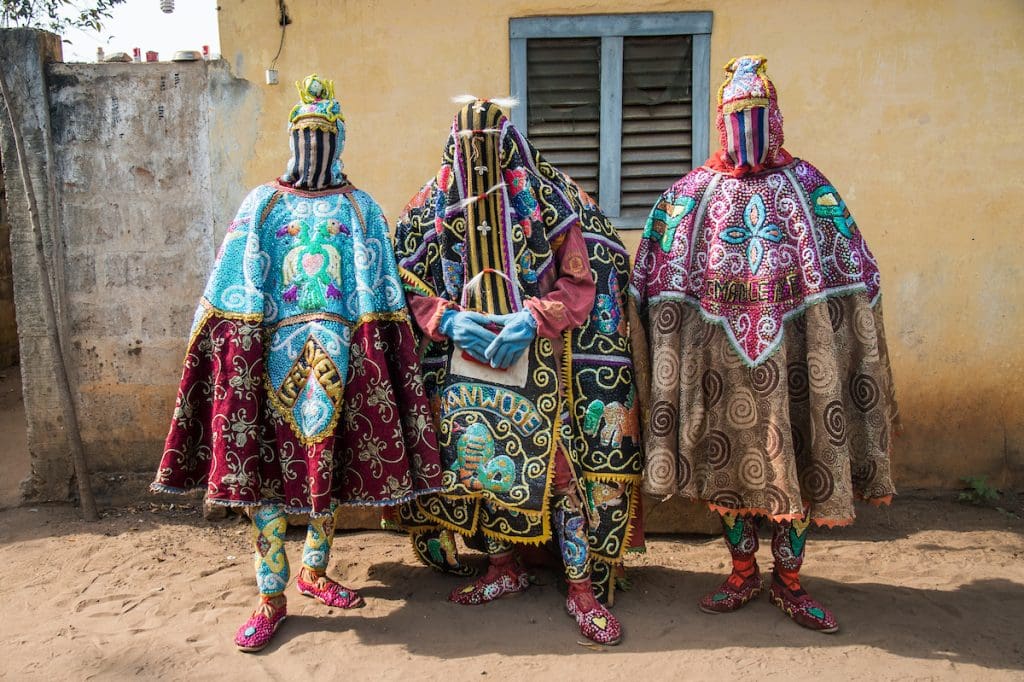
Hollywood gave Vodun skulls and pins and curses. Benin, the religion's birthplace, gave it temples, sacred forests, a pantheon of 401 deities, and a festival that draws a million people every January. Here is what Vodun actually is — and why its misrepresentation is one of the great distortions in the history of world religion.
Chad
18m
Sep 09, 2026
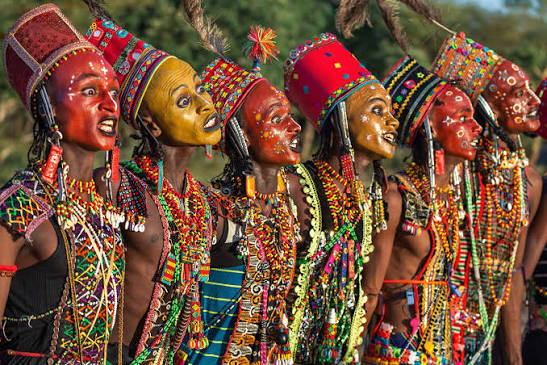
In the Sahel, at the end of the rainy season, Wodaabe men spend hours applying makeup, arranging their jewelry, and perfecting their expressions — then stand for hours in the desert heat while women walk slowly along the line and choose. This is the Gerewol festival, and it inverts almost everything the outside world assumes about gender, beauty, and the right to judge.
Senegal
16m
Sep 07, 2026
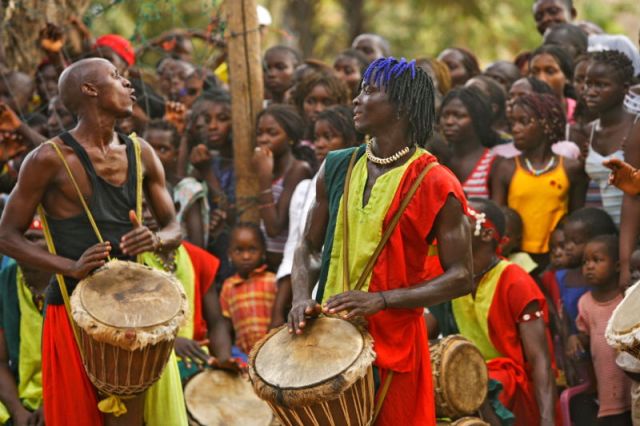
Every evening across Senegal, when the sun drops and the air finally exhales, something quietly extraordinary happens: neighborhoods pull chairs into the street, the tea is prepared, and the real conversation begins. Takussan is not an event you attend — it's the social architecture that holds Senegalese life together, one evening at a time.
Pitcairn Islands
17m
Sep 06, 2026
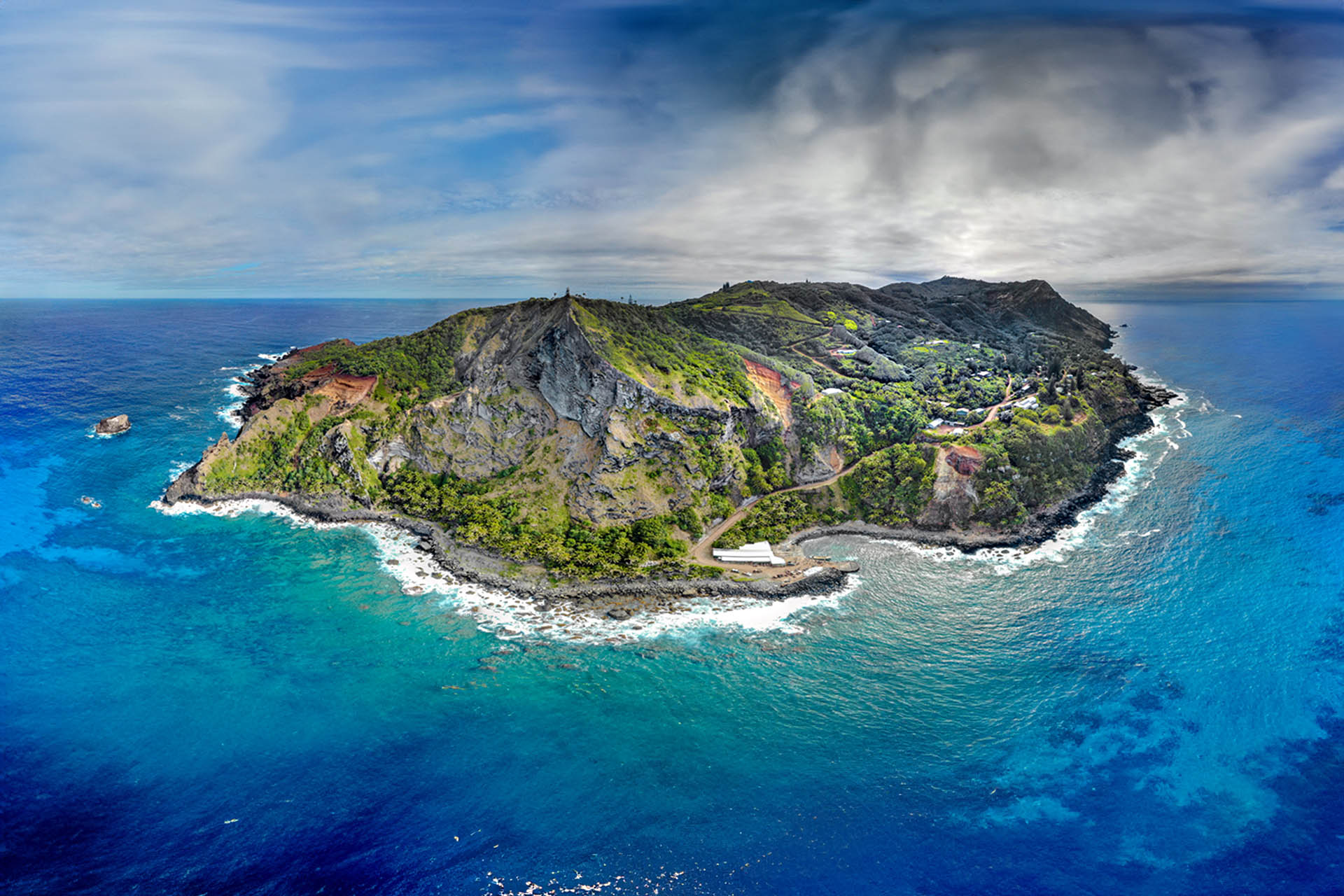
Pitcairn Island has no airport, no regular shipping route, and a total population of around 45 people. It was founded by mutineers fleeing British law in 1790, and it has been struggling to survive — and refusing to disappear — ever since. This is the story of what it actually takes to be the last people standing on the world's most remote inhabited island.
DR Congo
17m
Aug 29, 2026
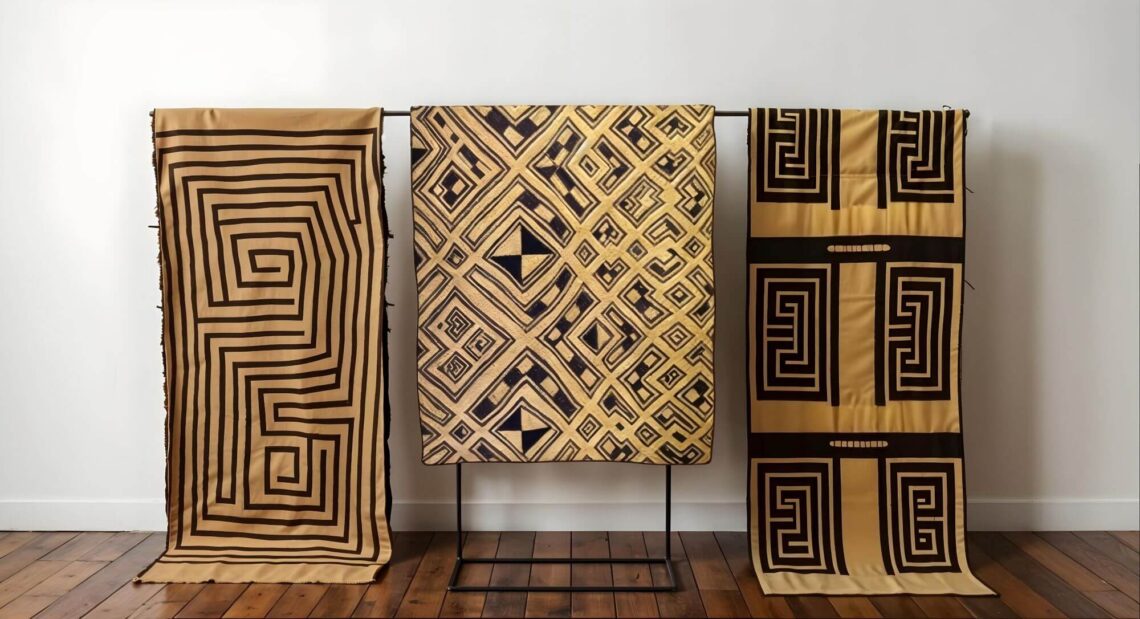
Pablo Picasso saw Kuba cloth in 1907 and it changed how he thought about form. The Kuba Kingdom of central Africa had been solving geometric problems in woven raffia for centuries before Cubism had a name. Here is what the cloth knows that art history forgot to mention.
Burkina Faso
19m
Aug 29, 2026
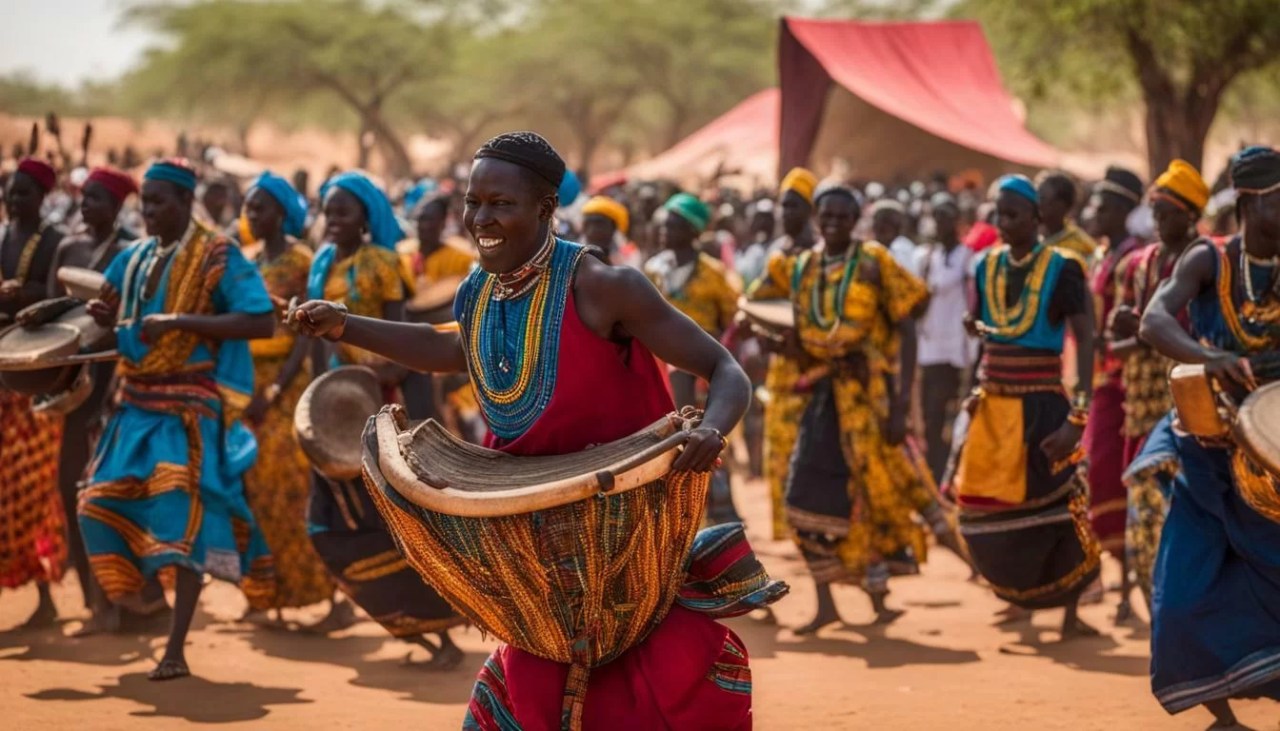
Every Friday morning in Ouagadougou, the emperor of the Mossi people mounts a red horse and prepares to go to war — a war that ended three centuries ago. His ministers beg him to stay. He relents. The city goes on. This ceremony has happened every week for over 400 years, and it contains more political philosophy than most constitutions.
Comoros
17m
Aug 28, 2026
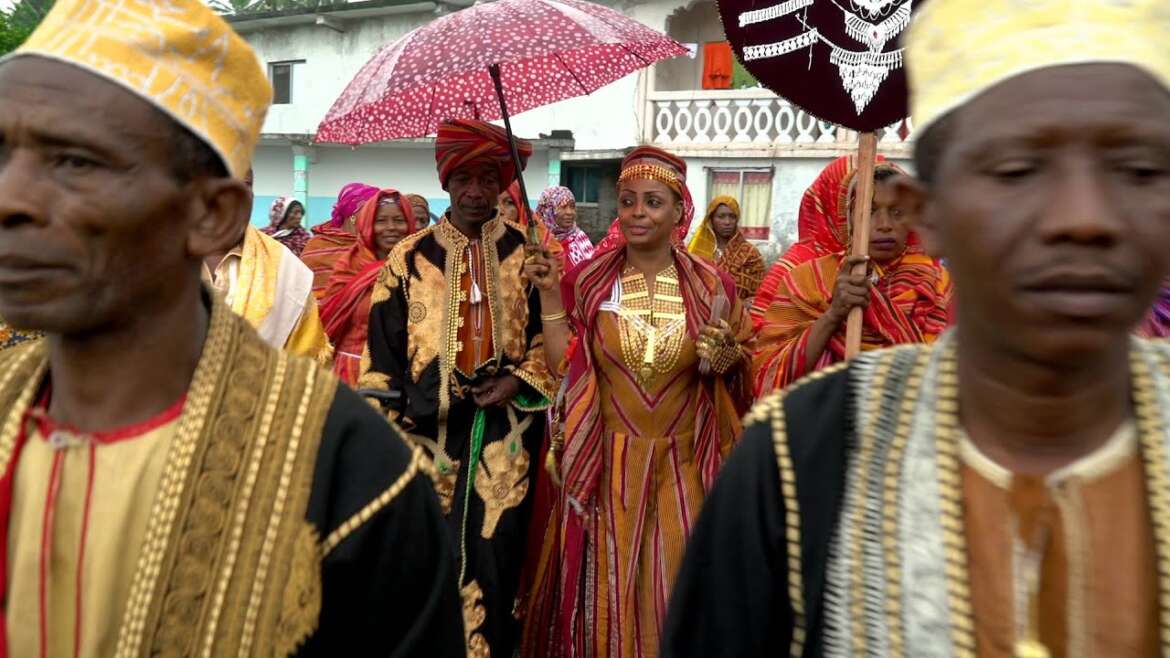
In the Comoro Islands, a man can be legally married for decades — and still not be truly married. The Grand Marriage (Anda) is a ceremony so elaborate, so financially demanding, and so socially total that it can take a lifetime to afford. It is also the key to everything: status, respect, belonging, and the right to be buried as a full member of your community.
Micronesia
18m
Aug 24, 2026
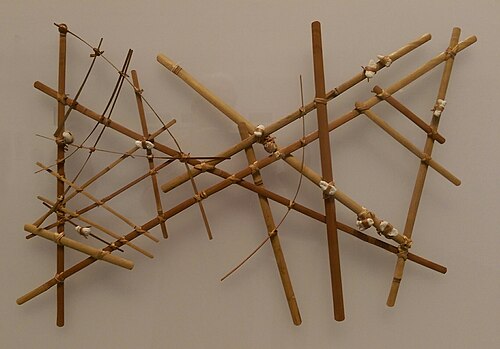
Before GPS, before compasses, before any instrument Western science would recognize as navigational equipment, Micronesian voyagers were crossing hundreds of miles of open Pacific Ocean with near-perfect accuracy. Their charts were made of sticks and shells — and they were never meant to be taken on the boat.
North Macedonia
14m
Jul 12, 2026
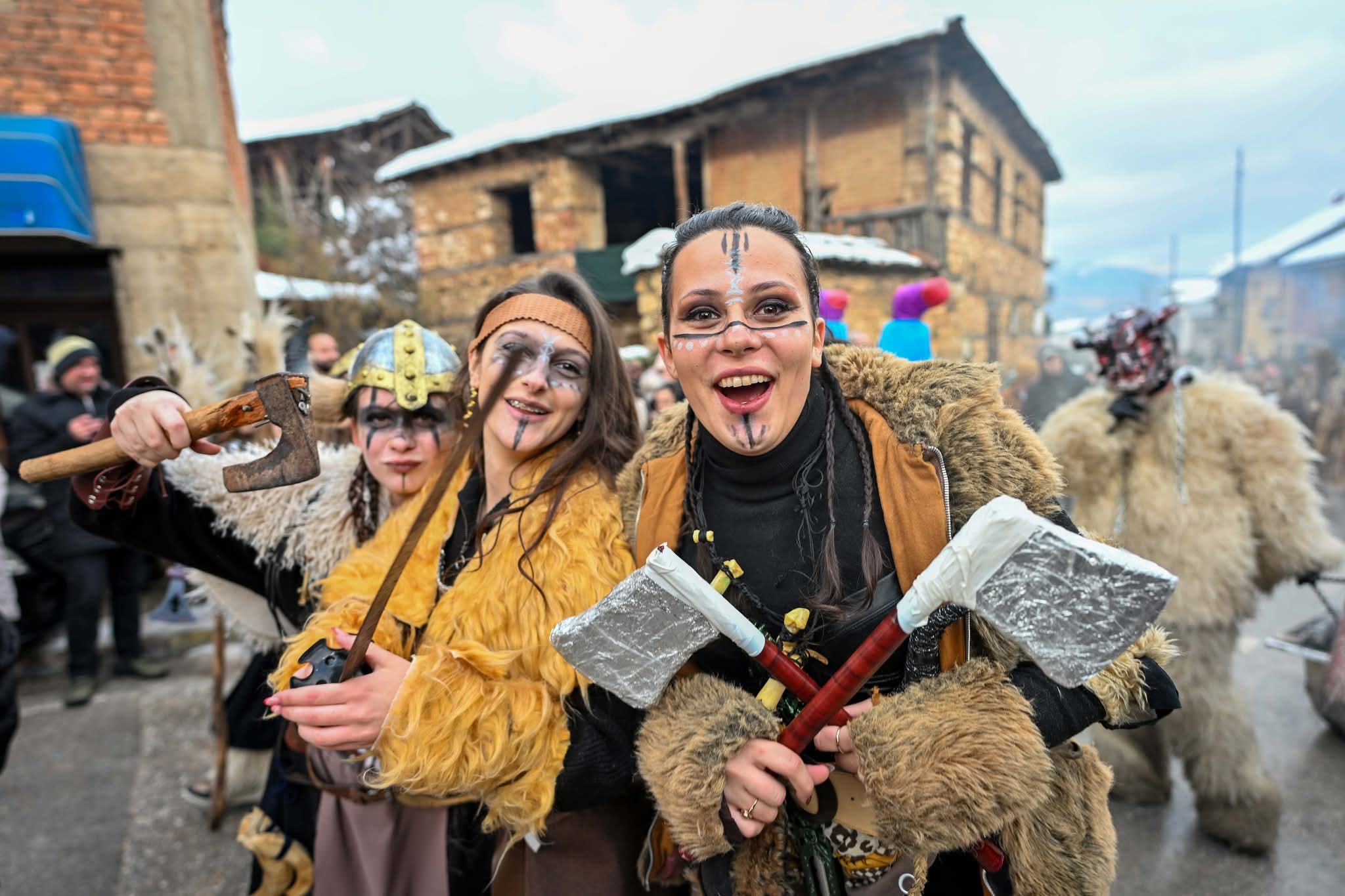
North Macedonia is known for its Village Patron Saint Festivals, a unique tradition where communities honor the saint believed to protect their village. These annual celebrations combine religious ceremonies, traditional foods, folk music, dancing, and family gatherings. The festivals help preserve cultural heritage, strengthen community bonds, and pass traditions to younger generations. Families often travel long distances to reunite and celebrate together. More than a religious event, the festival represents local identity, pride, and social unity. Even today, Village Patron Saint Festivals remain one of the most important and respected cultural traditions in North Macedonia.
Turkmenistan
14m
Jul 05, 2026
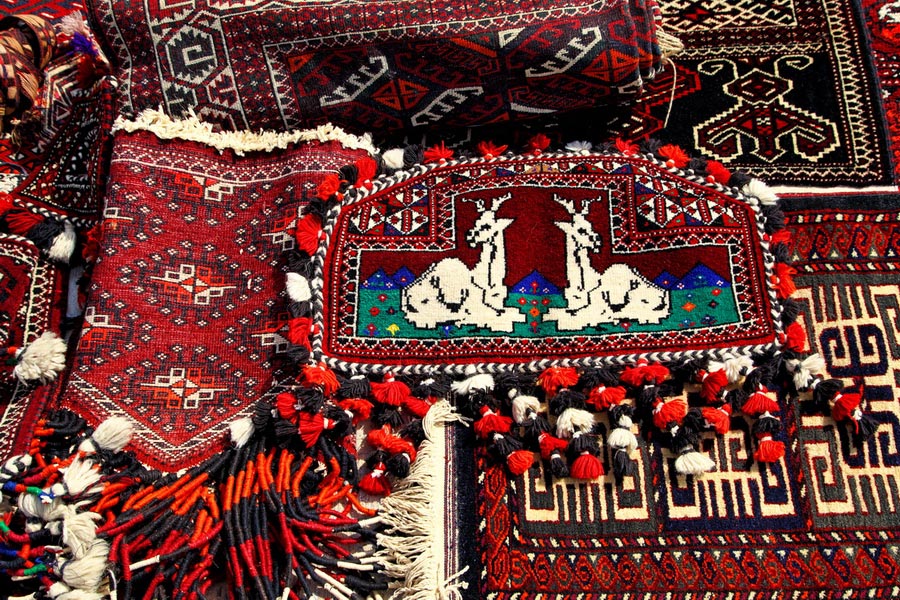
The Turkmen carpet is not a floor covering. It is a genealogy, a cosmology, and a form of writing — one that predates the Latin alphabet, outlasted multiple empires, and appears, blood-red and intricate, on the national flag of a modern state. Here is what the knots actually say.
Kyrgyz
12m
Jun 29, 2026
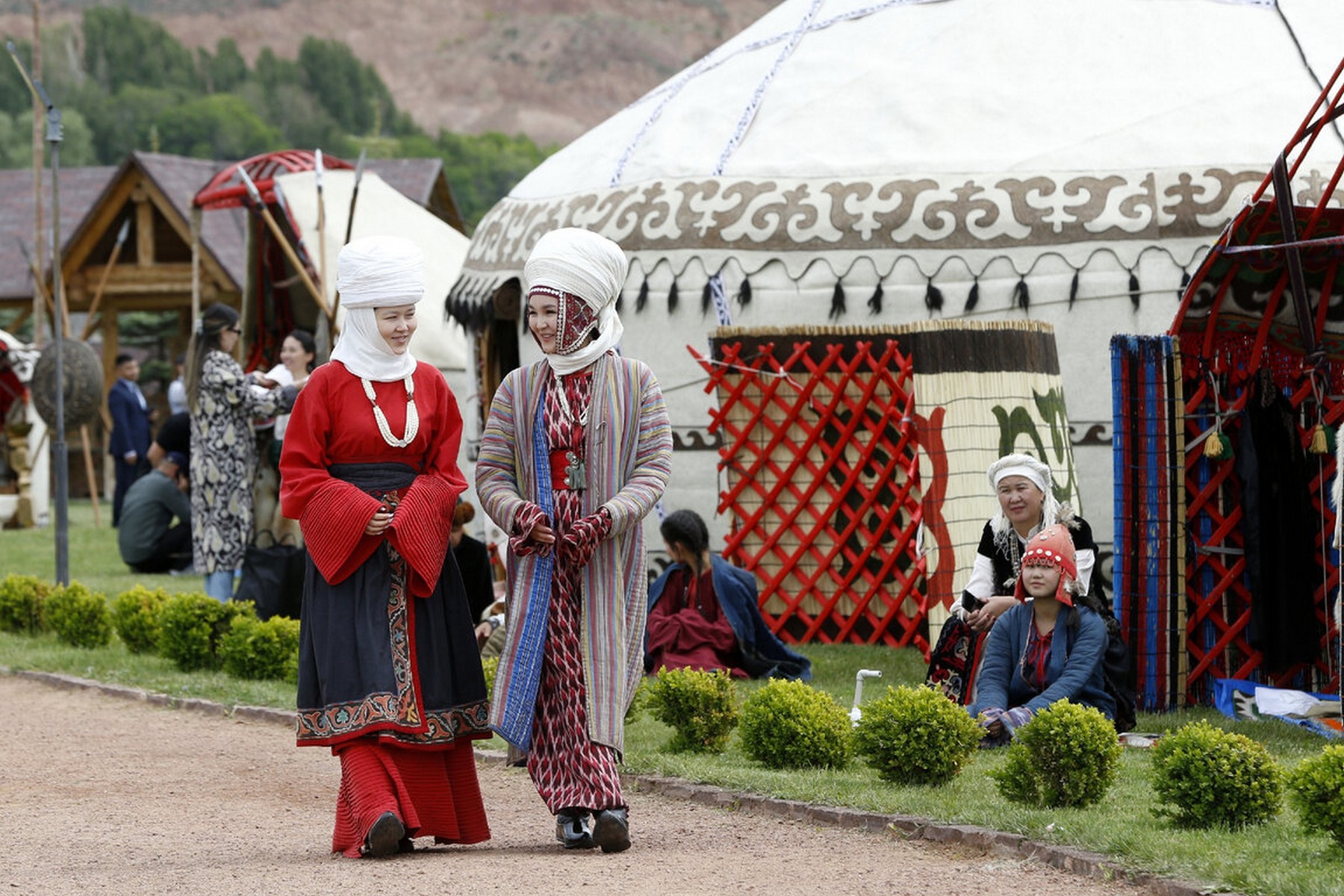
A yurt can be erected in under an hour and has sheltered Kyrgyz families for over a thousand years. But this circular felt home is far more than portable architecture — it's a cosmology, a social contract, and a quiet act of resistance against a world that keeps telling nomads to settle down.
Moldova
17m
Jun 21, 2026
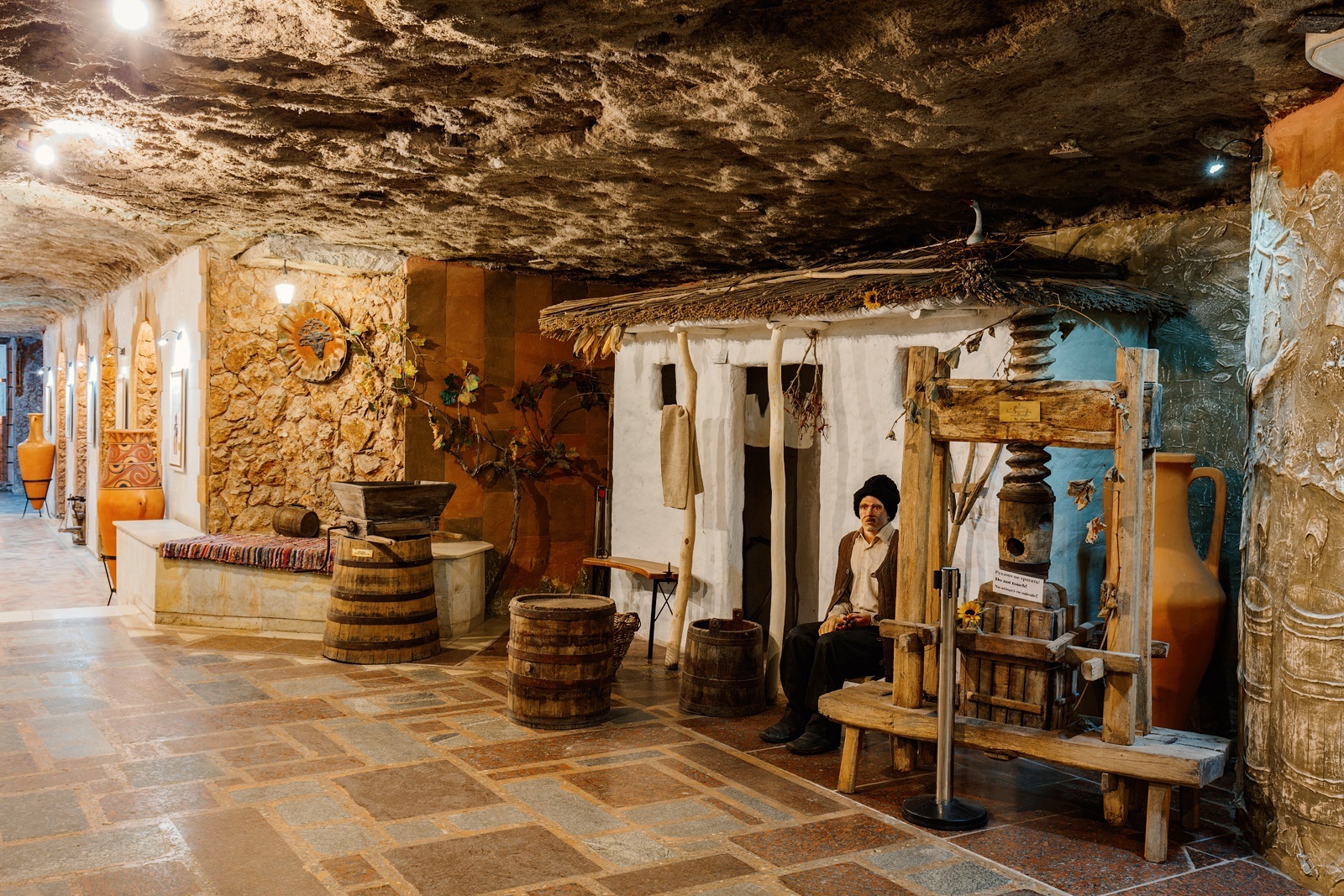
Moldova has the largest wine collection in the world stored underground. Its cellars run for 200 kilometers beneath the earth, are large enough to drive cars through, and contain bottles that survived Soviet collectivization, Gorbachev's anti-alcohol campaign, post-Soviet economic collapse, and a Russian trade embargo. This is not a wine country with a remarkable cellar. It is a civilization that stored its most important archive underground — and the archive is in bottle.