Sierra Leone
16m
Oct 14, 2026
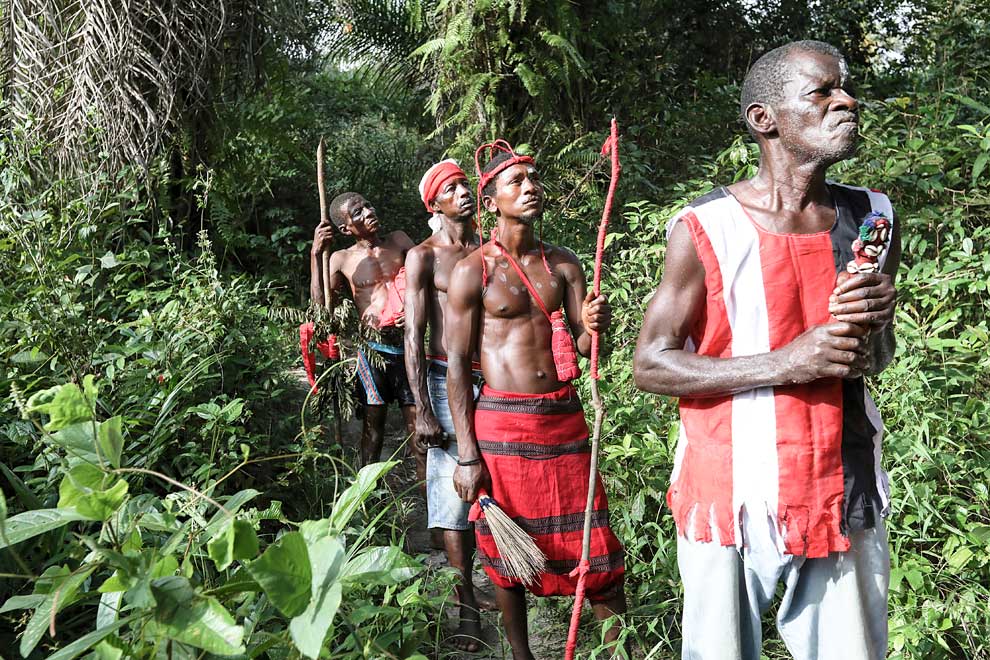
The Poro Society has no headquarters, no written constitution, and no official membership list. Yet for centuries it has governed communities, resolved disputes, educated youth, and held political power across Guinea and Sierra Leone with an authority that colonial administrations feared, missionaries tried to ban, and modern states have never fully replaced. Here is what the forest holds.
Guinea
19m
Sep 19, 2026
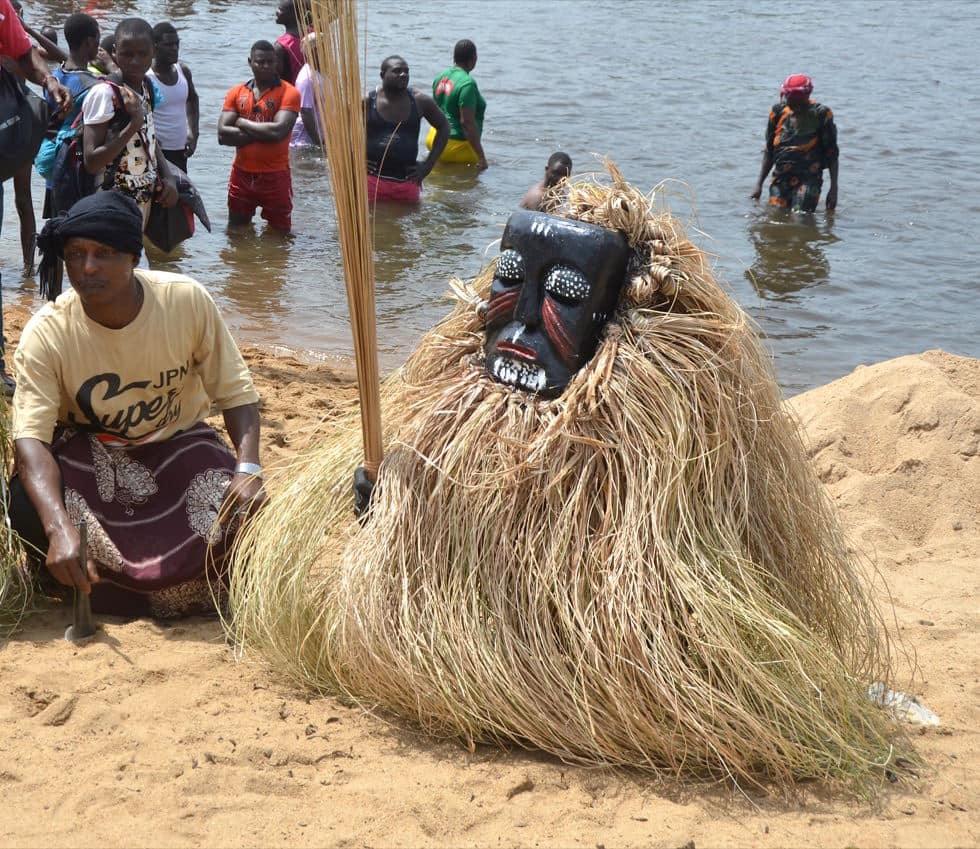
Once every seven years, in the villages of Guinea's Baga people, a massive sacred mask rises from the water and the community's entire social and spiritual order is renewed around it. The Kakilambe is not a costume. It is a deity, a court, and a covenant — and the world outside West Africa has barely heard of it.
Benin
18m
Sep 16, 2026
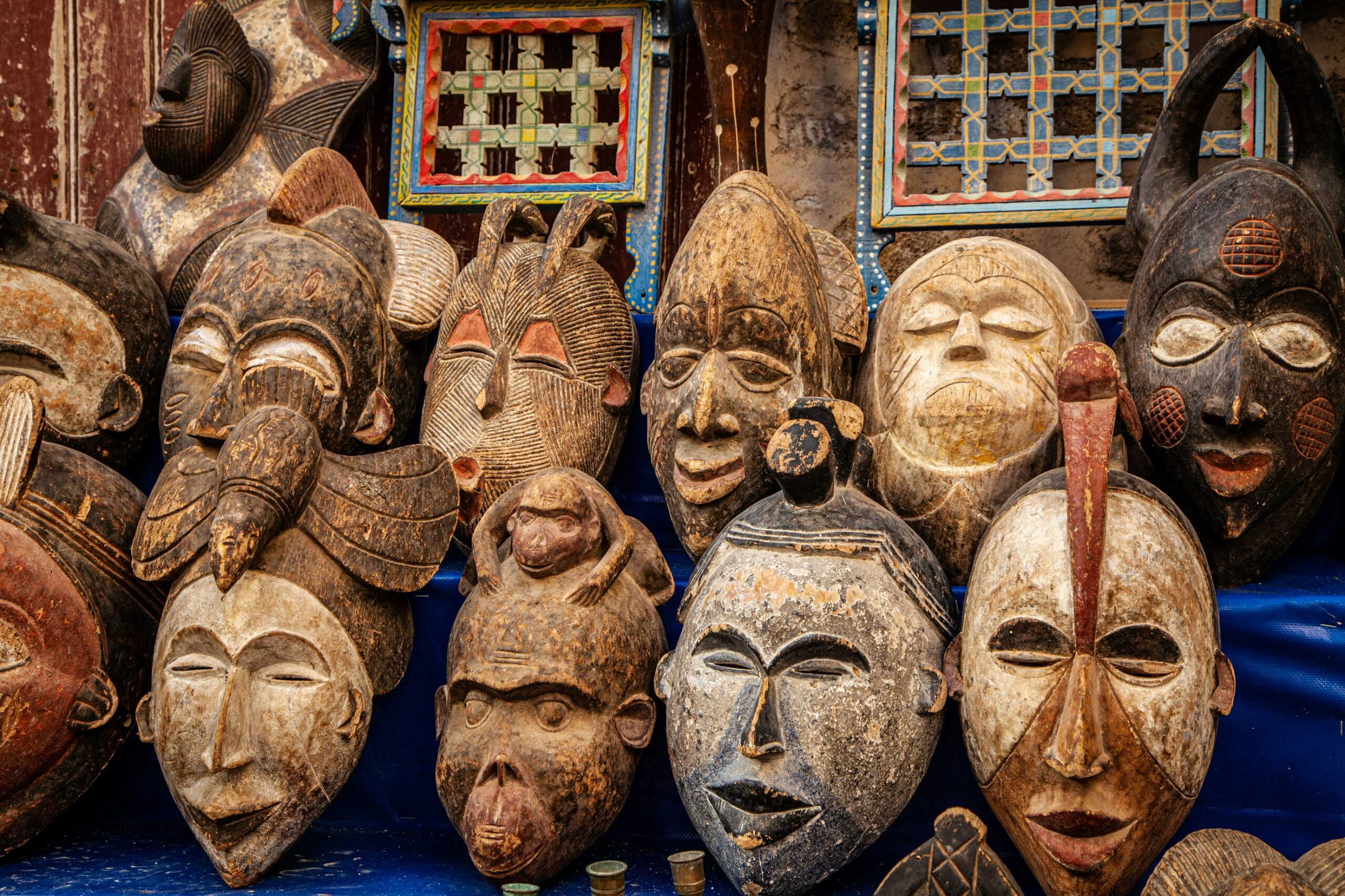
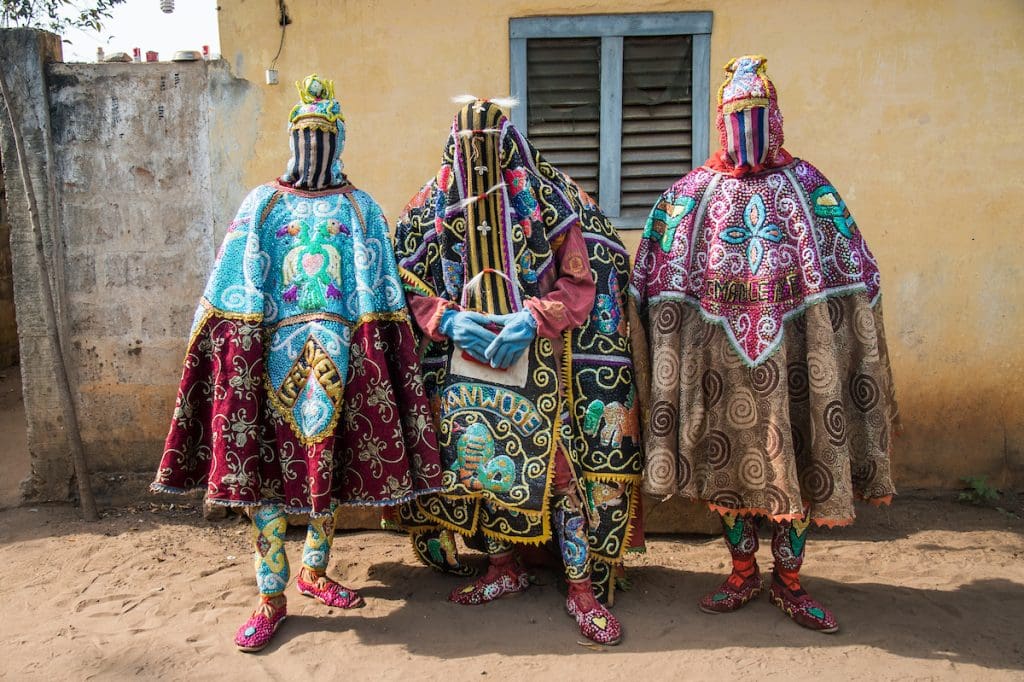
Hollywood gave Vodun skulls and pins and curses. Benin, the religion's birthplace, gave it temples, sacred forests, a pantheon of 401 deities, and a festival that draws a million people every January. Here is what Vodun actually is — and why its misrepresentation is one of the great distortions in the history of world religion.
Ngondo
19m
Sep 12, 2026
Every December, the Wouri River at Douala becomes a threshold between the living and the dead. The Ngondo festival is not a cultural performance — it is a consultation. The Sawa people gather at the water's edge to ask their ancestors what the coming year will bring, and the ancestors answer. Here is how a civilization listens to a river.
Ivory Coast
18m
Sep 09, 2026
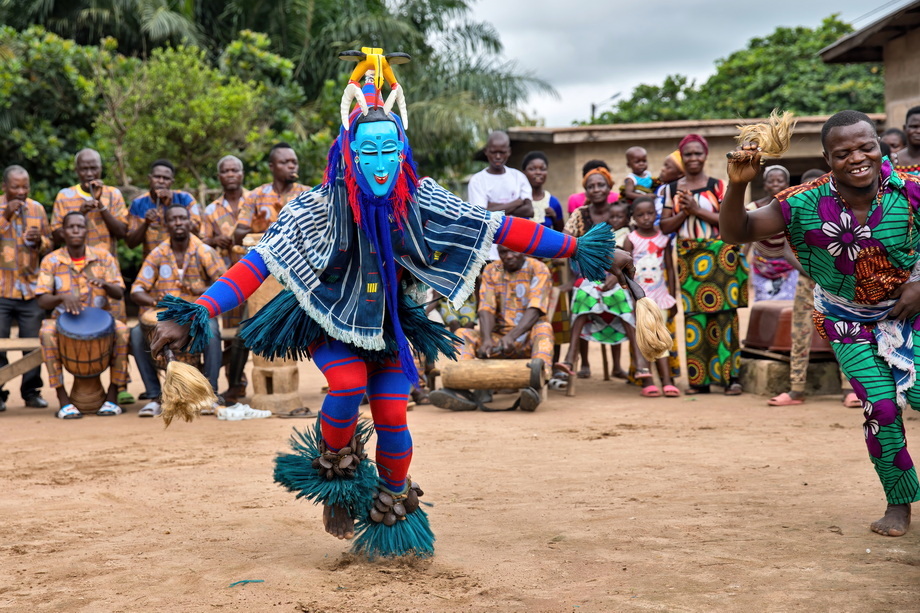
The Zaouli mask of Ivory Coast's Guro people is considered one of the most beautiful objects in African art. But it is not made to be looked at — it is made to move. When the Zaouli dances, something happens that the mask alone cannot do, and what it does has been keeping a community alive, spiritually and socially, for over a century.
Chad
18m
Sep 09, 2026
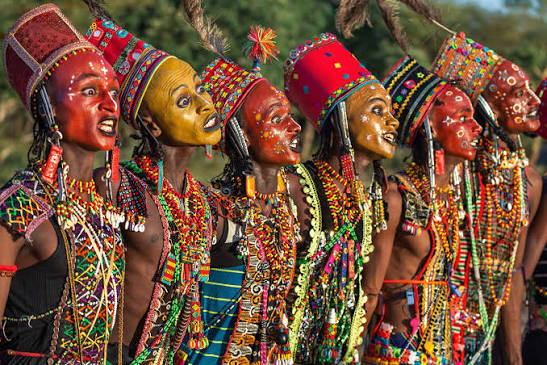
In the Sahel, at the end of the rainy season, Wodaabe men spend hours applying makeup, arranging their jewelry, and perfecting their expressions — then stand for hours in the desert heat while women walk slowly along the line and choose. This is the Gerewol festival, and it inverts almost everything the outside world assumes about gender, beauty, and the right to judge.
Senegal
16m
Sep 07, 2026
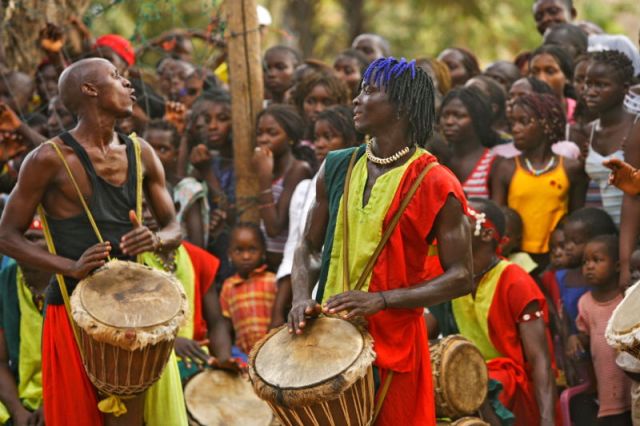
Every evening across Senegal, when the sun drops and the air finally exhales, something quietly extraordinary happens: neighborhoods pull chairs into the street, the tea is prepared, and the real conversation begins. Takussan is not an event you attend — it's the social architecture that holds Senegalese life together, one evening at a time.
Solomon Islands
18m
Sep 07, 2026
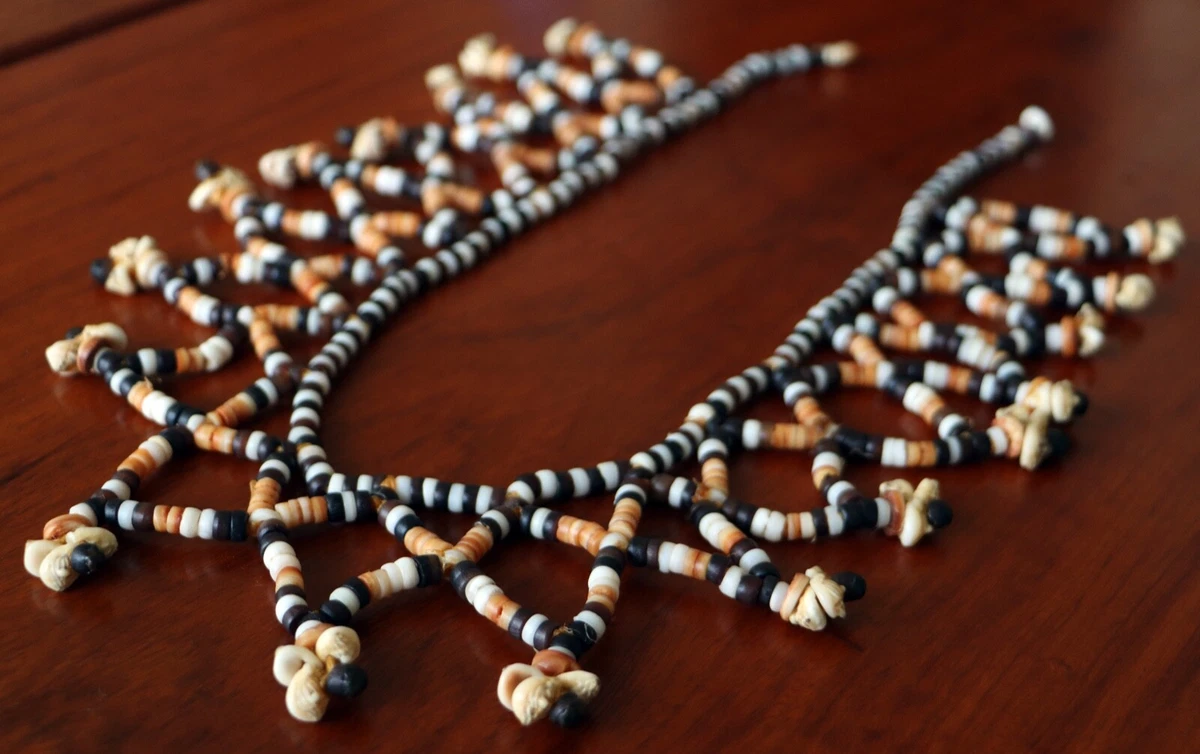
The Solomon Islands have had shell money for over a thousand years — and it still works. Not as heritage, not as museum artifact, but as actual currency for bride prices, land disputes, and peace negotiations that state law cannot reach. Here is what an economy looks like when it is built on relationships instead of abstraction.
Cook Islands
19m
Sep 06, 2026
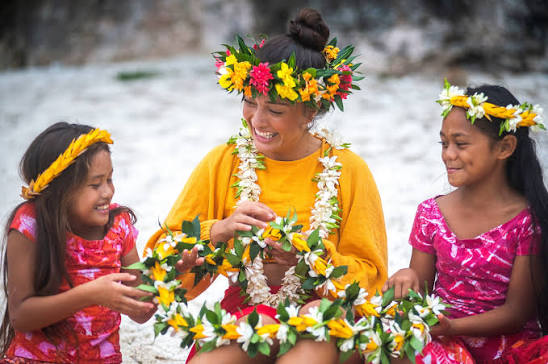
In the Cook Islands, a crown of flowers is never just decoration. The ei katu — woven fresh for every occasion, given rather than kept, made by hands that learned from their grandmother's hands — is one of the Pacific's most quietly profound cultural practices. Here is what it carries.
Pitcairn Islands
17m
Sep 06, 2026
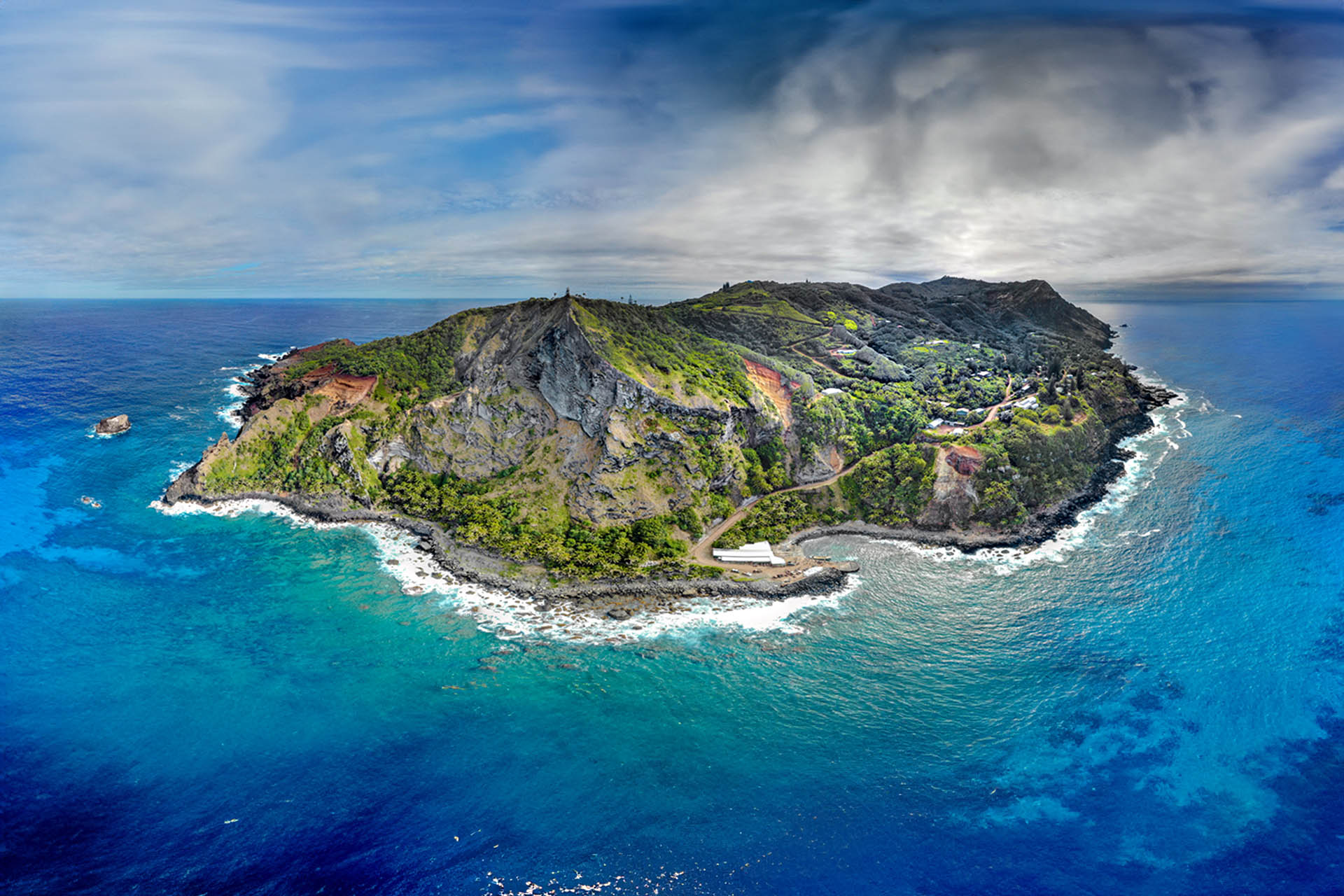
Pitcairn Island has no airport, no regular shipping route, and a total population of around 45 people. It was founded by mutineers fleeing British law in 1790, and it has been struggling to survive — and refusing to disappear — ever since. This is the story of what it actually takes to be the last people standing on the world's most remote inhabited island.
Réunion
16m
Sep 06, 2026
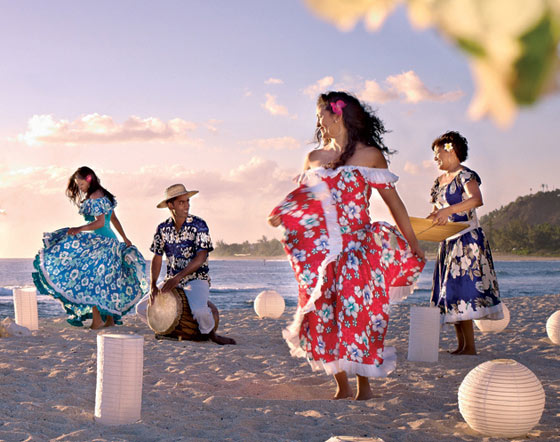
For decades, the French government banned it. Plantation owners feared it. The people who kept it alive did so in secret, in the hills, in the dark. Maloya is the music of Réunion's enslaved ancestors — and it is also the island's most urgent, most alive, most politically charged art form today. Here is what was suppressed, and why it could not be killed.
Wallis and Futuna
21m
Sep 06, 2026
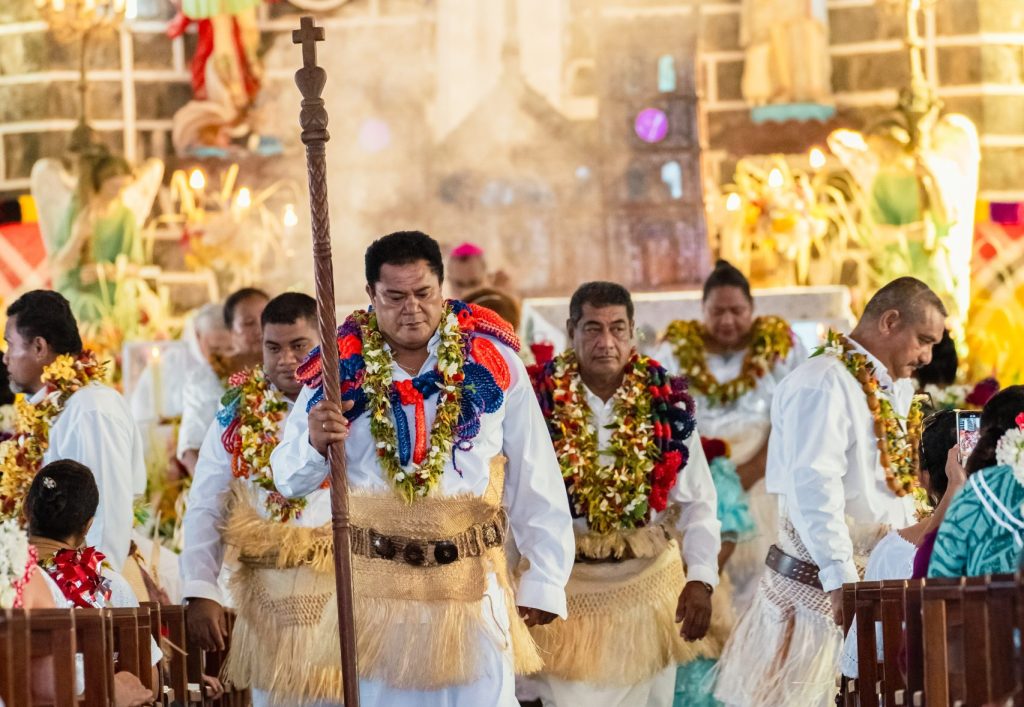
Wallis and Futuna is a French overseas territory in the South Pacific where the president of France shares authority with three traditional kings — and the kings hold more day-to-day power than Paris does. This is not a ceremonial arrangement. The chiefdoms are the government, and they have been for a thousand years.