Benin
18m
Sep 16, 2026
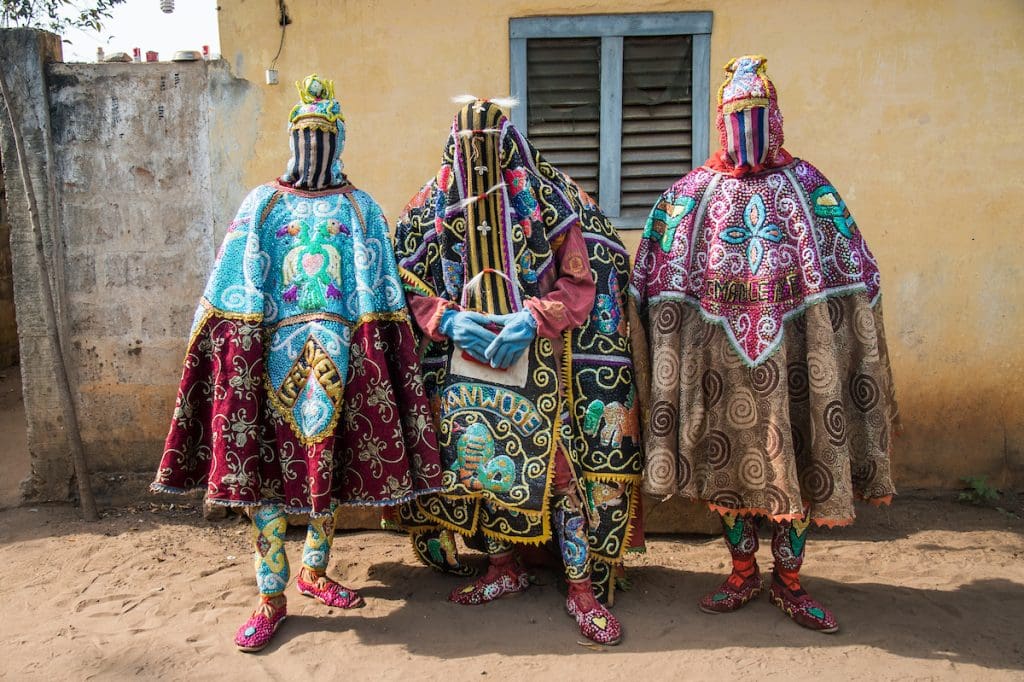
Hollywood gave Vodun skulls and pins and curses. Benin, the religion's birthplace, gave it temples, sacred forests, a pantheon of 401 deities, and a festival that draws a million people every January. Here is what Vodun actually is — and why its misrepresentation is one of the great distortions in the history of world religion.
Ngondo
19m
Sep 12, 2026
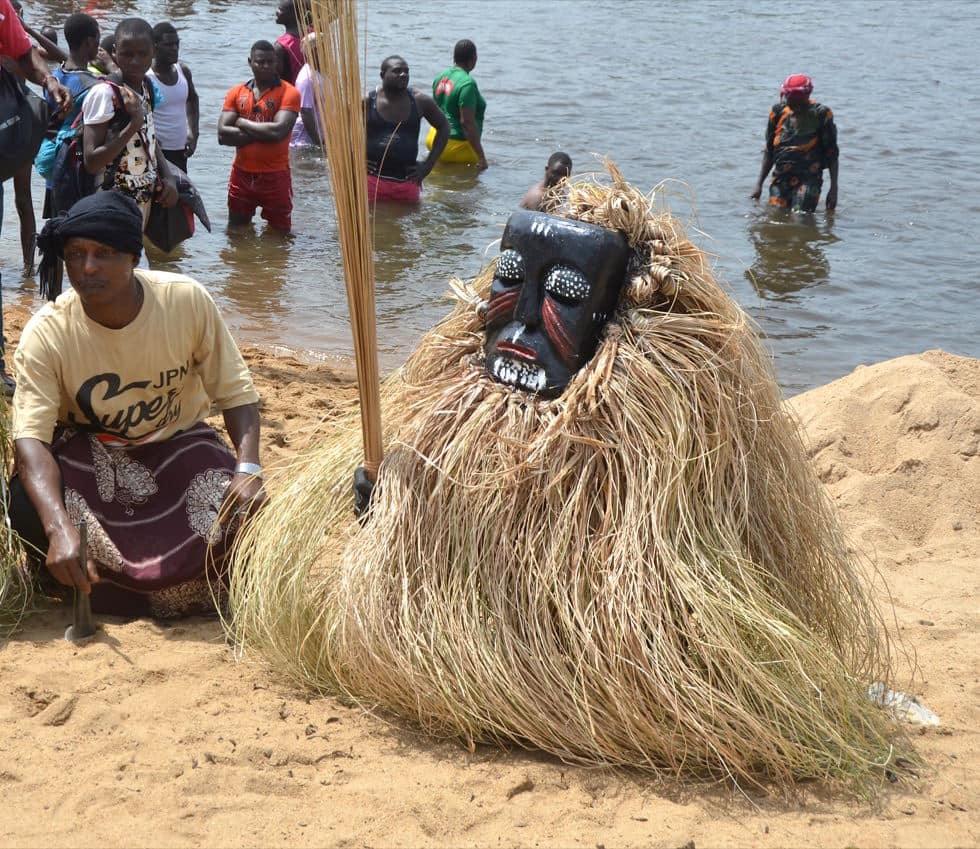
Every December, the Wouri River at Douala becomes a threshold between the living and the dead. The Ngondo festival is not a cultural performance — it is a consultation. The Sawa people gather at the water's edge to ask their ancestors what the coming year will bring, and the ancestors answer. Here is how a civilization listens to a river.
Senegal
16m
Sep 07, 2026
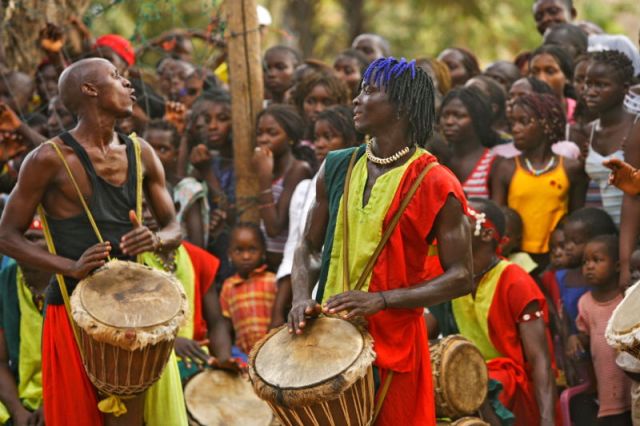
Every evening across Senegal, when the sun drops and the air finally exhales, something quietly extraordinary happens: neighborhoods pull chairs into the street, the tea is prepared, and the real conversation begins. Takussan is not an event you attend — it's the social architecture that holds Senegalese life together, one evening at a time.
Solomon Islands
18m
Sep 07, 2026
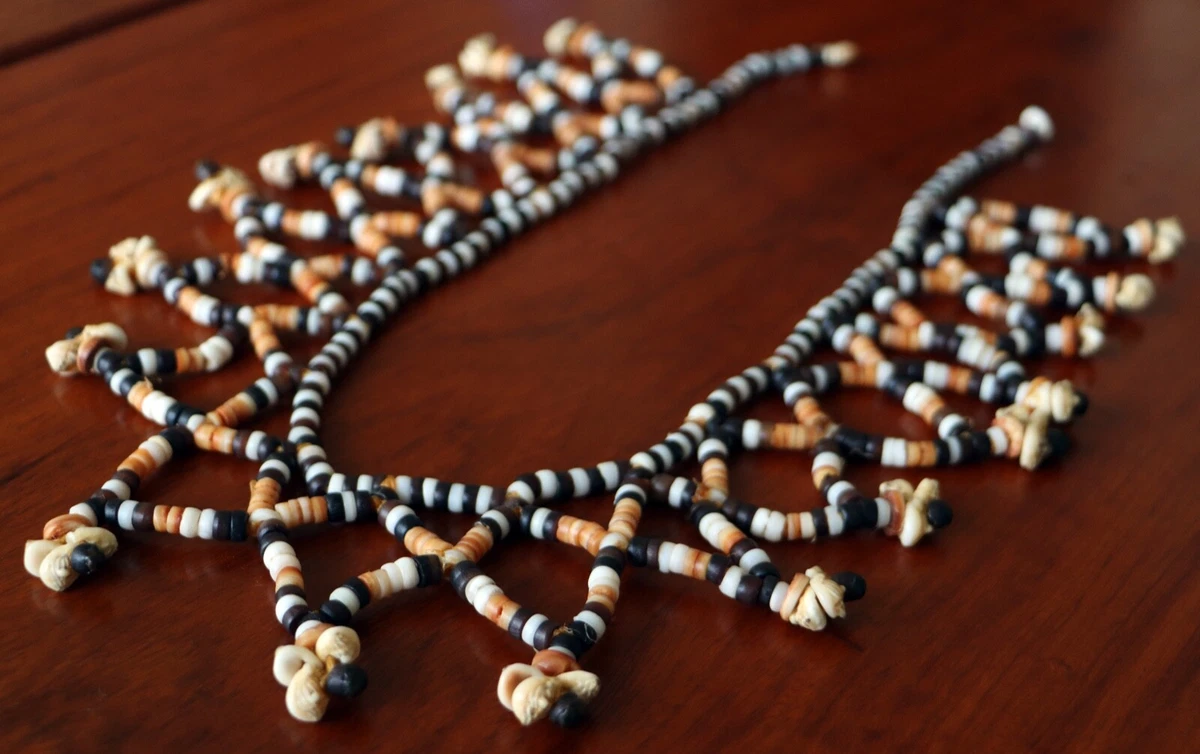
The Solomon Islands have had shell money for over a thousand years — and it still works. Not as heritage, not as museum artifact, but as actual currency for bride prices, land disputes, and peace negotiations that state law cannot reach. Here is what an economy looks like when it is built on relationships instead of abstraction.
Pitcairn Islands
17m
Sep 06, 2026
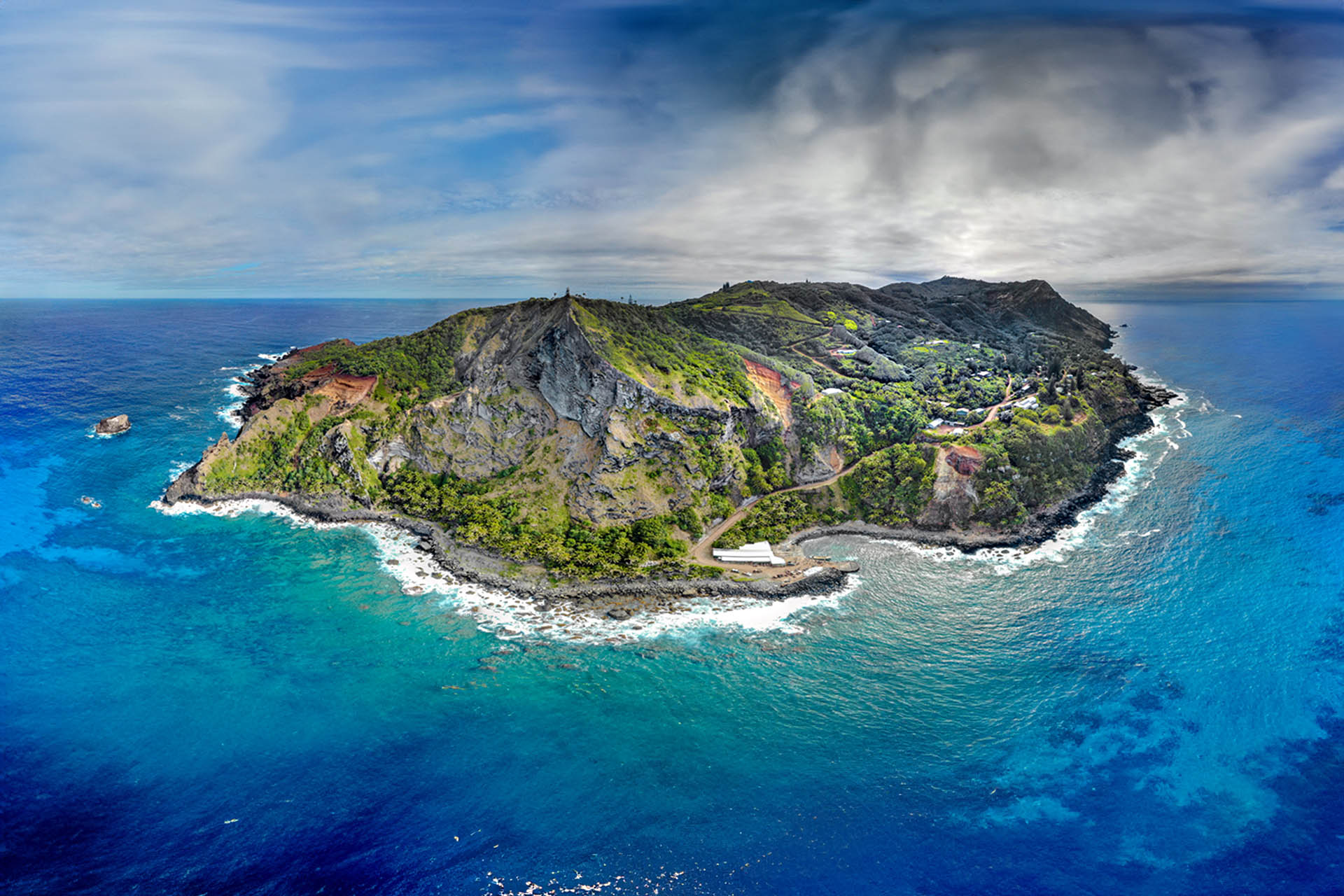
Pitcairn Island has no airport, no regular shipping route, and a total population of around 45 people. It was founded by mutineers fleeing British law in 1790, and it has been struggling to survive — and refusing to disappear — ever since. This is the story of what it actually takes to be the last people standing on the world's most remote inhabited island.
Réunion
16m
Sep 06, 2026
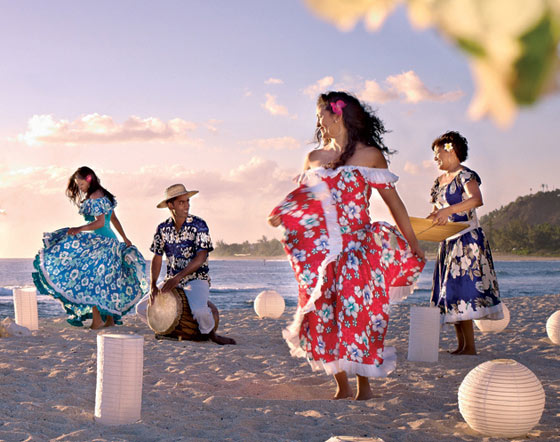
For decades, the French government banned it. Plantation owners feared it. The people who kept it alive did so in secret, in the hills, in the dark. Maloya is the music of Réunion's enslaved ancestors — and it is also the island's most urgent, most alive, most politically charged art form today. Here is what was suppressed, and why it could not be killed.
Wallis and Futuna
21m
Sep 06, 2026
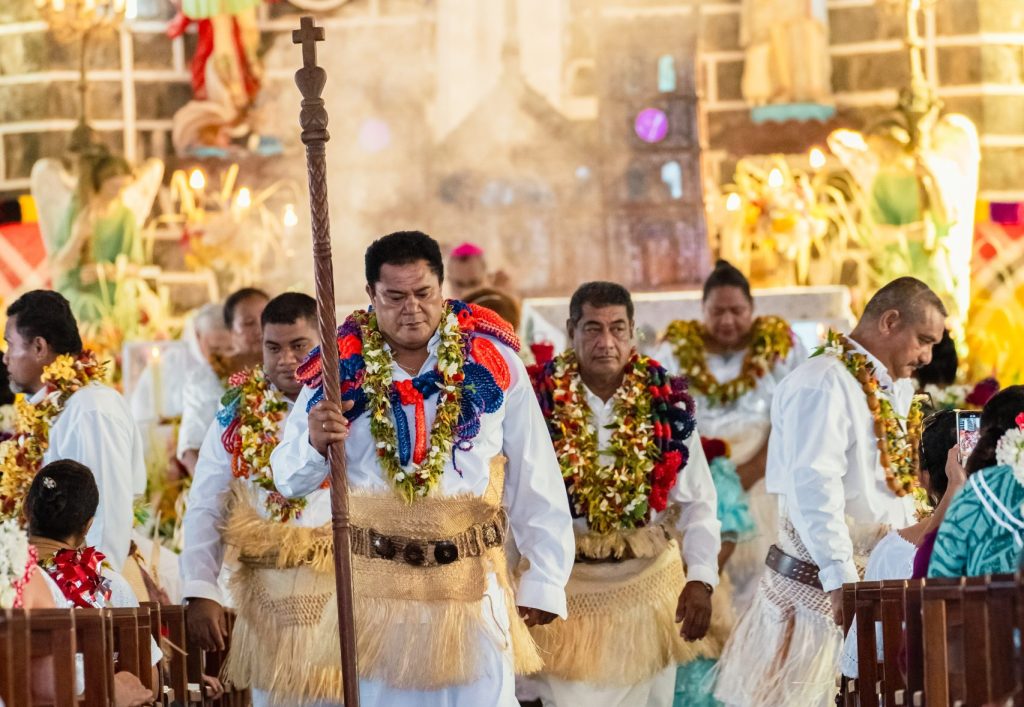
Wallis and Futuna is a French overseas territory in the South Pacific where the president of France shares authority with three traditional kings — and the kings hold more day-to-day power than Paris does. This is not a ceremonial arrangement. The chiefdoms are the government, and they have been for a thousand years.
Niue
15m
Aug 31, 2026
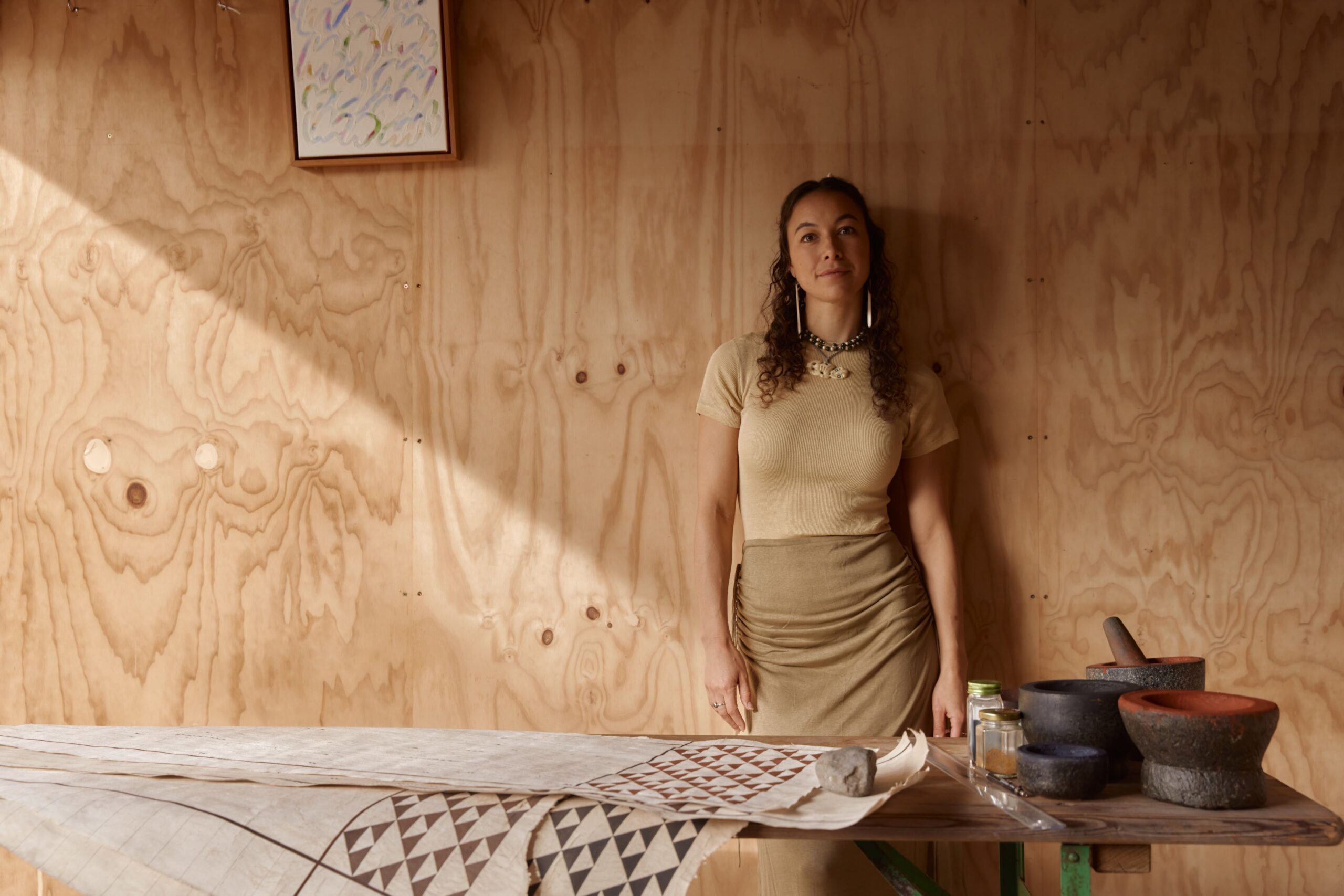
On one of the world's smallest and most isolated nations — an island of 1,600 people in the middle of the Pacific — a tradition of beating bark into cloth has survived colonization, mass emigration, and the digital age. Niuean tapa is not craft. It is the island's memory, made tangible, and the women who make it are its archivists.
Kiribati
17m
Aug 28, 2026
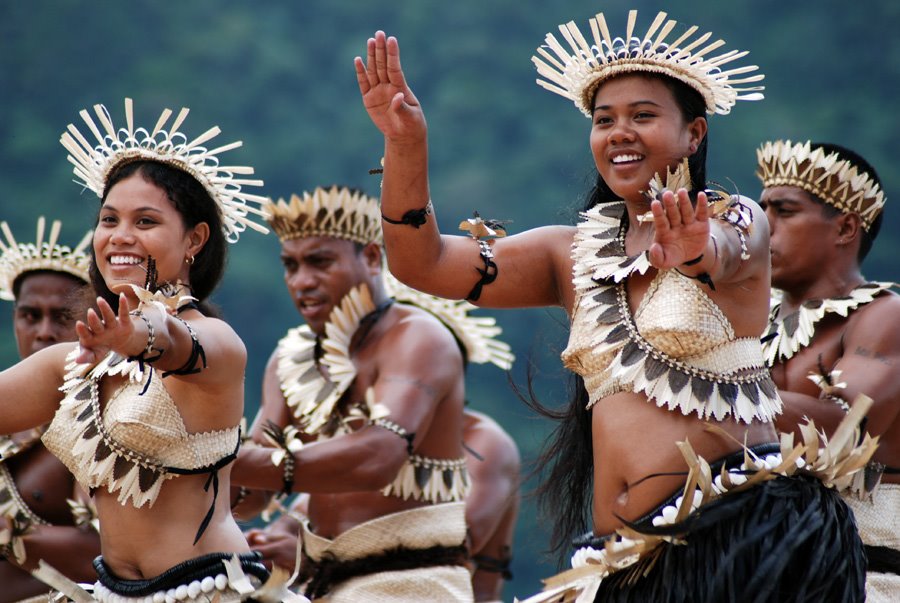
On coral atolls so flat that the ocean is always visible from the center of the island, the people of Kiribati built a structure that does the work of a parliament, a courthouse, a church, a concert hall, and a community center — all under one roof of pandanus thatch. The maneaba is the reason a civilization survived in one of the most isolated and vulnerable places on earth. And it may not survive the century.
Gabon
17m
Aug 24, 2026
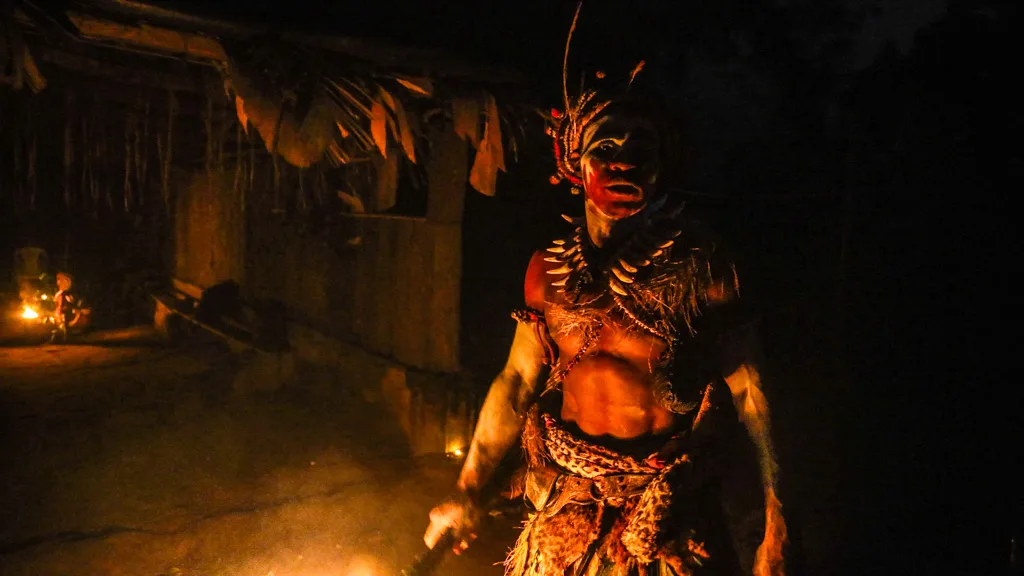
Deep in the equatorial rainforests of Gabon, a spiritual tradition older than the state that contains it has been asking the same question for centuries: what do the dead know that the living have forgotten? The Bwiti answer involves iboga, a root bark that the forest keeps, an all-night ceremony that the community performs, and a journey that no one who has taken it describes the same way twice.
Latvia
15m
Jun 16, 2026
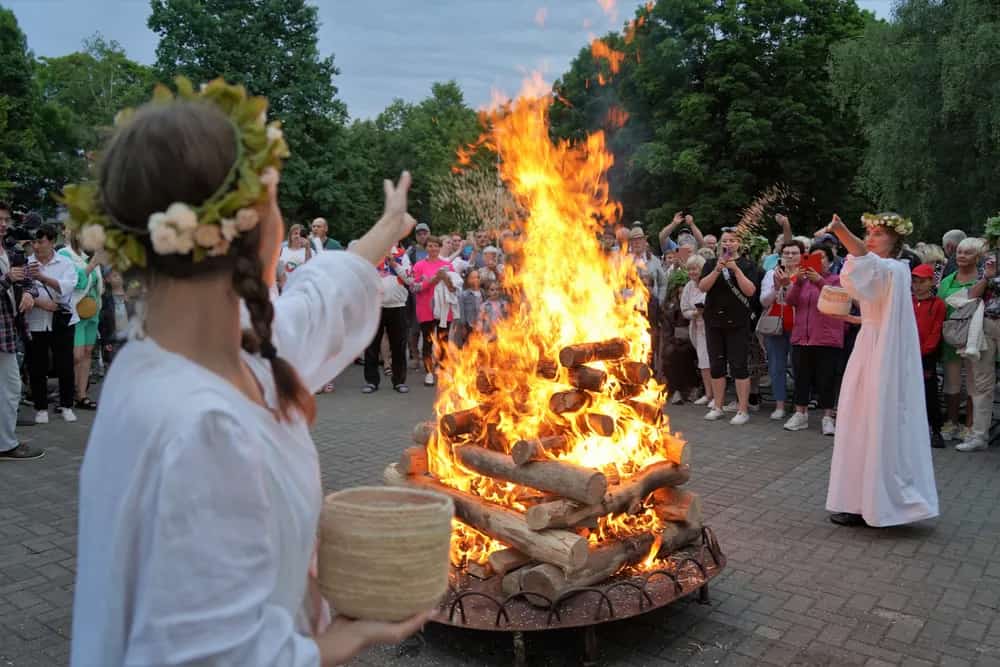
Latvia officially converted to Christianity in the thirteenth century. Latvians celebrated it by continuing their pre-Christian summer solstice festival almost entirely unchanged, renaming it after John the Baptist, and maintaining its naked fire-jumping, oak-wreath wearing, fern-flower searching, and all-night folk singing with such dedication that UNESCO called it one of Europe's most complete surviving ancient ritual traditions. Here is what the fire is actually for.
Lithuania
14m
Jun 15, 2026
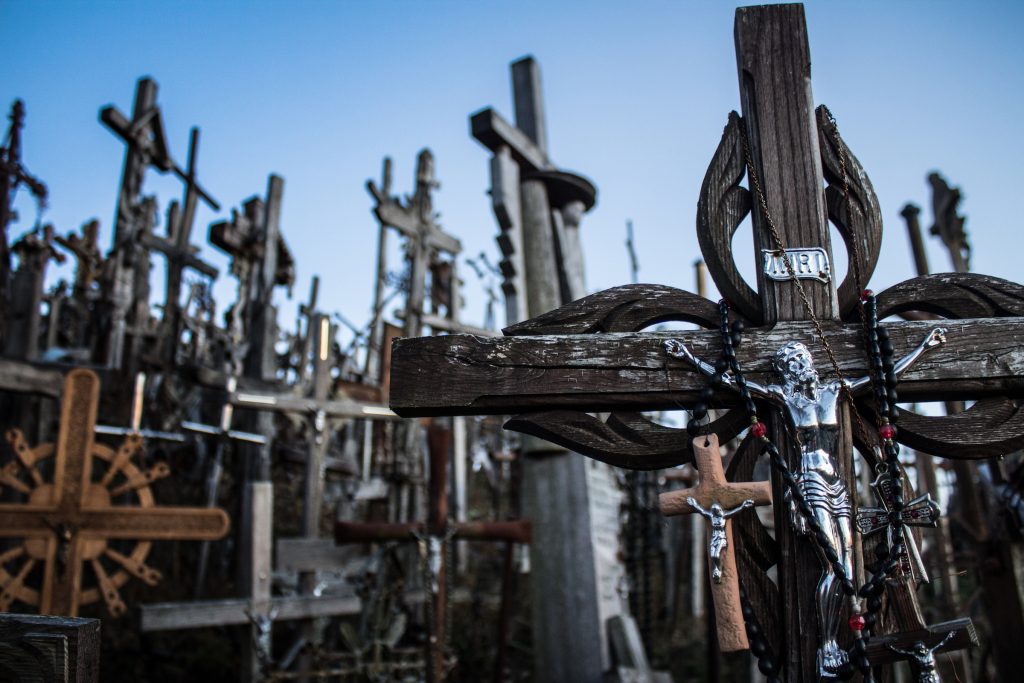
Lithuania was the last country in Europe to officially adopt Christianity — in 1387. Before that, it maintained a living pagan tradition of sacred wooden poles and forest shrines that its craftsmen simply folded into the new faith's symbols. The result is one of the world's most distinctive folk art traditions: carved wooden crosses so elaborate and so theologically layered that UNESCO called them irreplaceable. The Soviet Union tried to bulldoze them. The Lithuanians kept making them anyway.