Guinea
19m
Sep 19, 2026
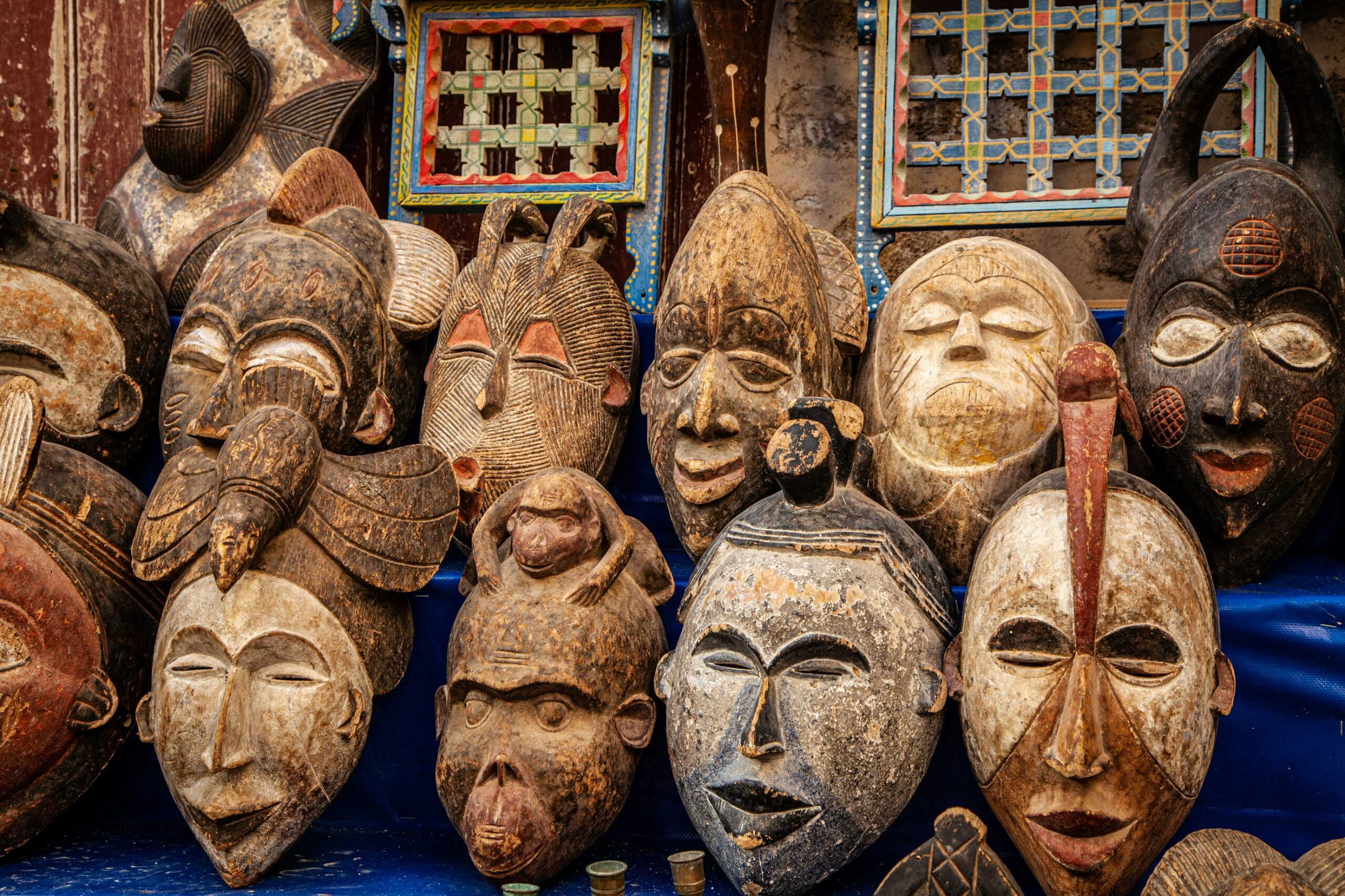
Once every seven years, in the villages of Guinea's Baga people, a massive sacred mask rises from the water and the community's entire social and spiritual order is renewed around it. The Kakilambe is not a costume. It is a deity, a court, and a covenant — and the world outside West Africa has barely heard of it.
Benin
18m
Sep 16, 2026
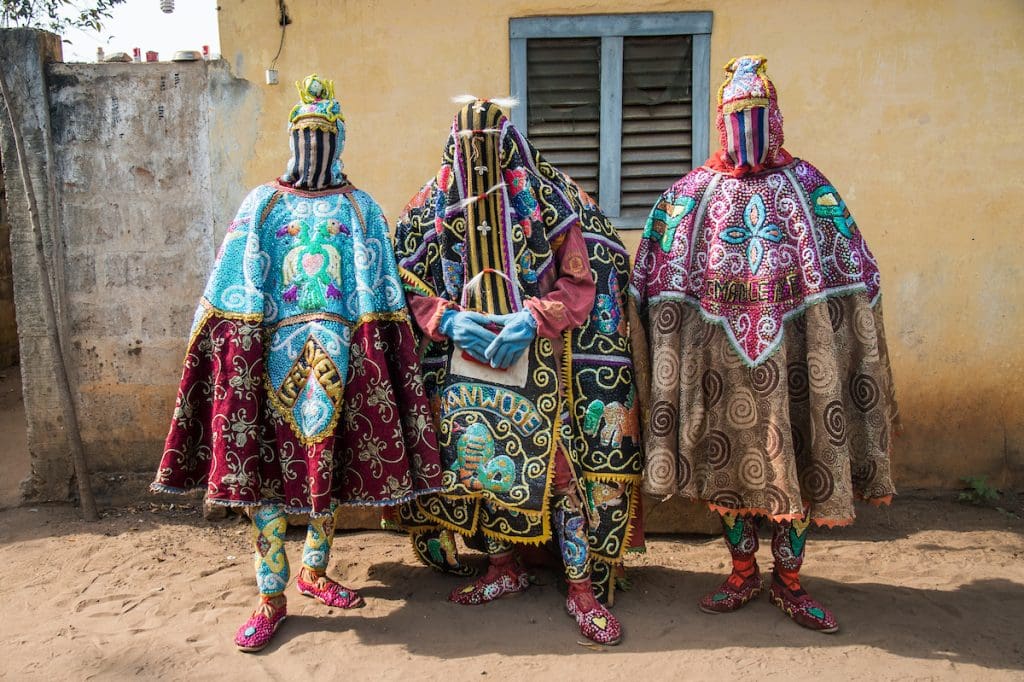
Hollywood gave Vodun skulls and pins and curses. Benin, the religion's birthplace, gave it temples, sacred forests, a pantheon of 401 deities, and a festival that draws a million people every January. Here is what Vodun actually is — and why its misrepresentation is one of the great distortions in the history of world religion.
Ngondo
19m
Sep 12, 2026
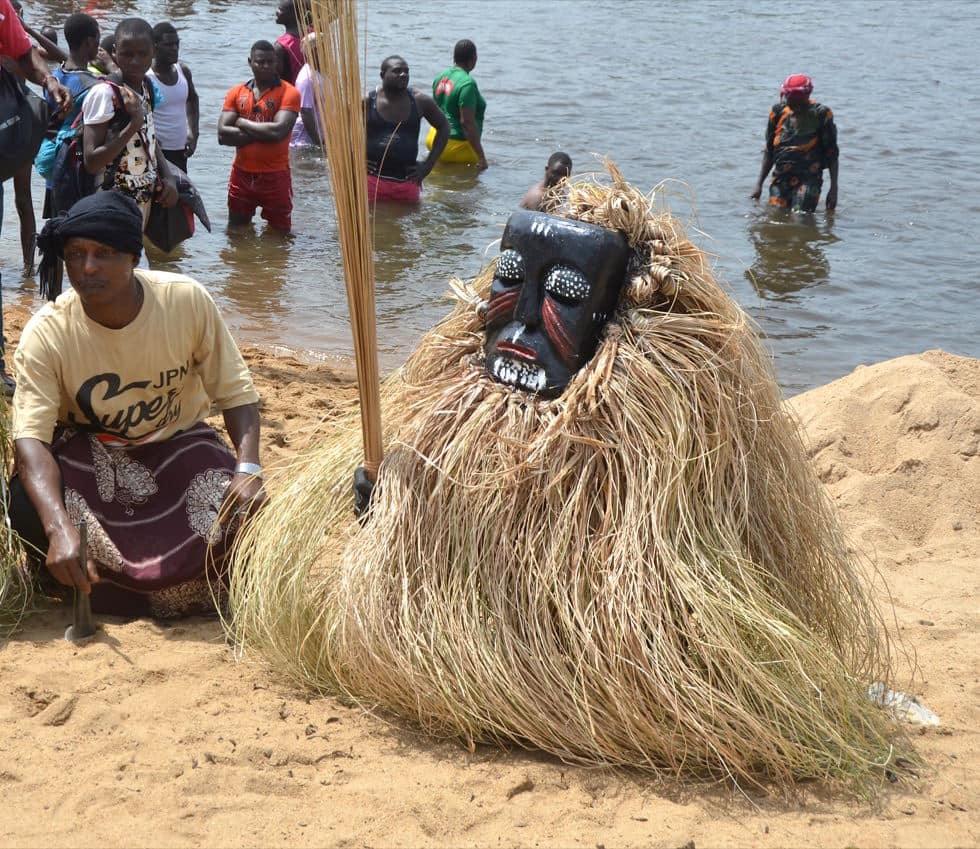
Every December, the Wouri River at Douala becomes a threshold between the living and the dead. The Ngondo festival is not a cultural performance — it is a consultation. The Sawa people gather at the water's edge to ask their ancestors what the coming year will bring, and the ancestors answer. Here is how a civilization listens to a river.
Ivory Coast
18m
Sep 09, 2026
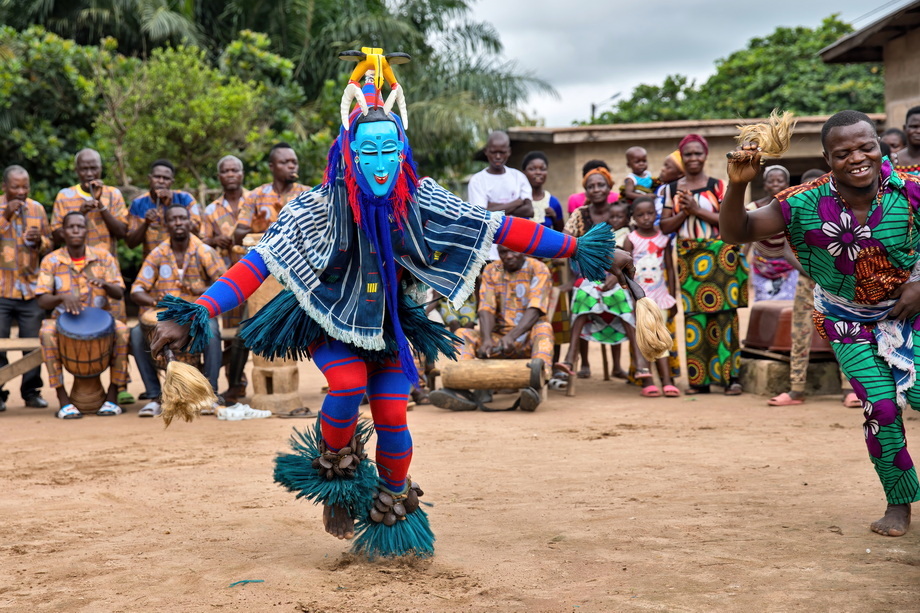
The Zaouli mask of Ivory Coast's Guro people is considered one of the most beautiful objects in African art. But it is not made to be looked at — it is made to move. When the Zaouli dances, something happens that the mask alone cannot do, and what it does has been keeping a community alive, spiritually and socially, for over a century.
Pitcairn Islands
17m
Sep 06, 2026
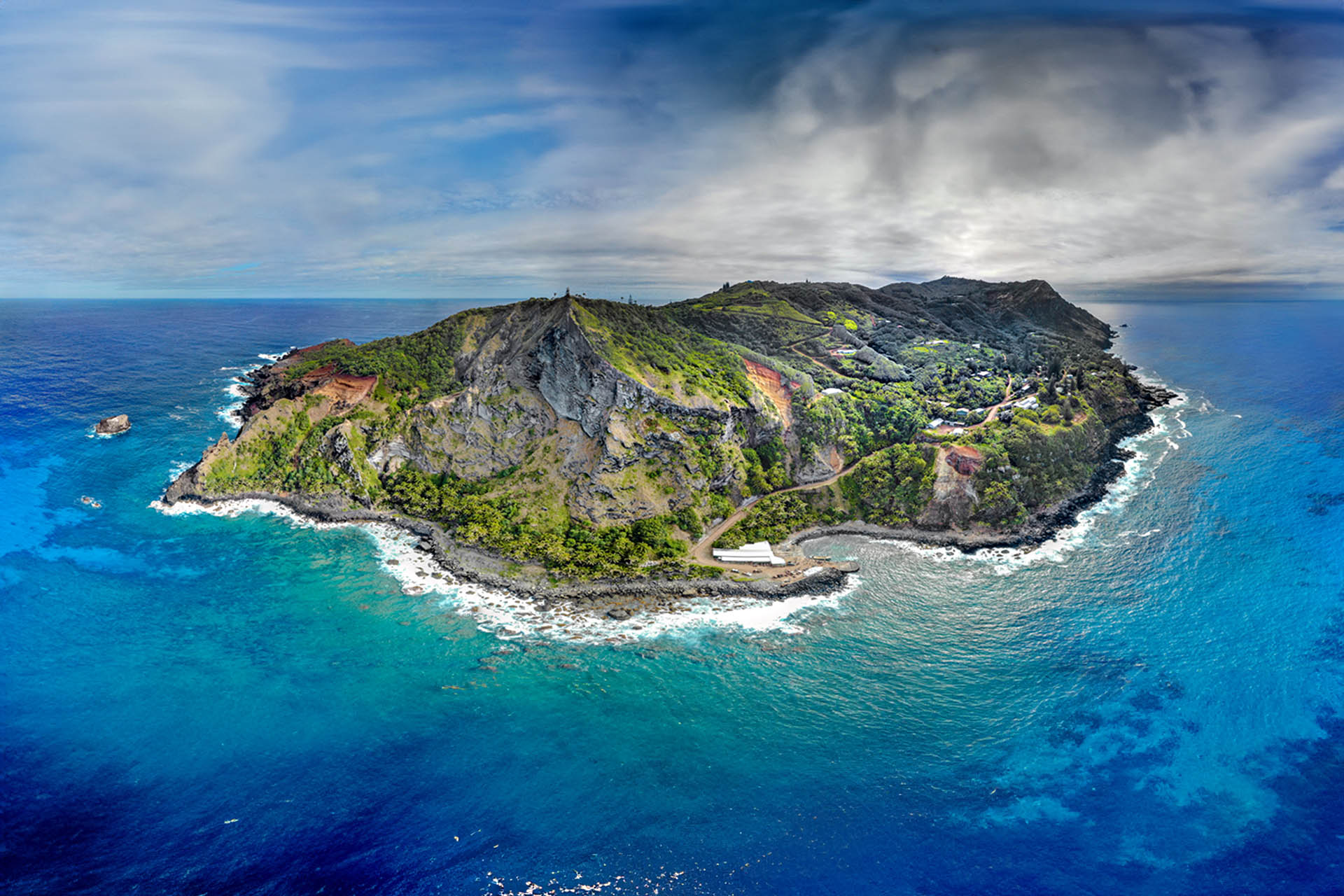
Pitcairn Island has no airport, no regular shipping route, and a total population of around 45 people. It was founded by mutineers fleeing British law in 1790, and it has been struggling to survive — and refusing to disappear — ever since. This is the story of what it actually takes to be the last people standing on the world's most remote inhabited island.
Réunion
16m
Sep 06, 2026
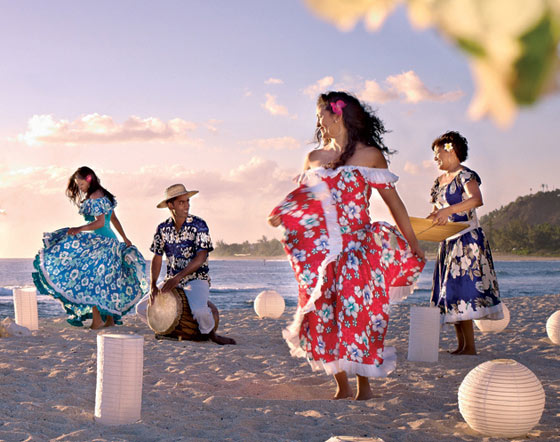
For decades, the French government banned it. Plantation owners feared it. The people who kept it alive did so in secret, in the hills, in the dark. Maloya is the music of Réunion's enslaved ancestors — and it is also the island's most urgent, most alive, most politically charged art form today. Here is what was suppressed, and why it could not be killed.
Burkina Faso
19m
Aug 29, 2026
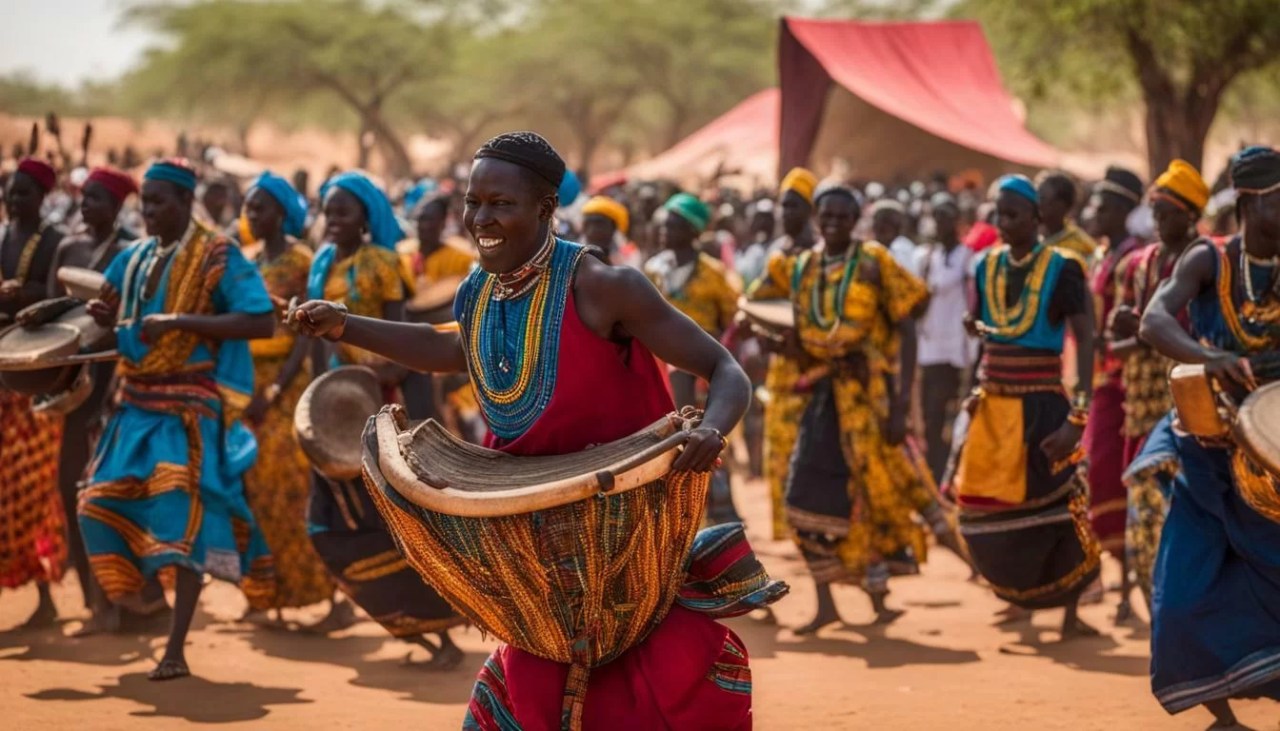
Every Friday morning in Ouagadougou, the emperor of the Mossi people mounts a red horse and prepares to go to war — a war that ended three centuries ago. His ministers beg him to stay. He relents. The city goes on. This ceremony has happened every week for over 400 years, and it contains more political philosophy than most constitutions.
Mali
18m
Aug 28, 2026
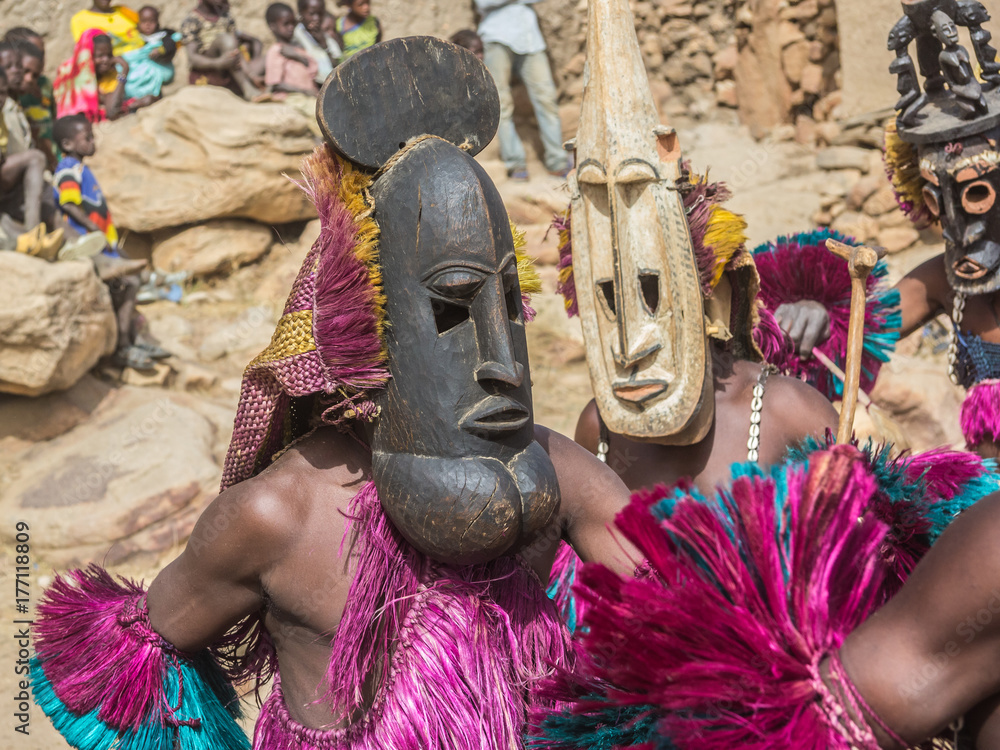
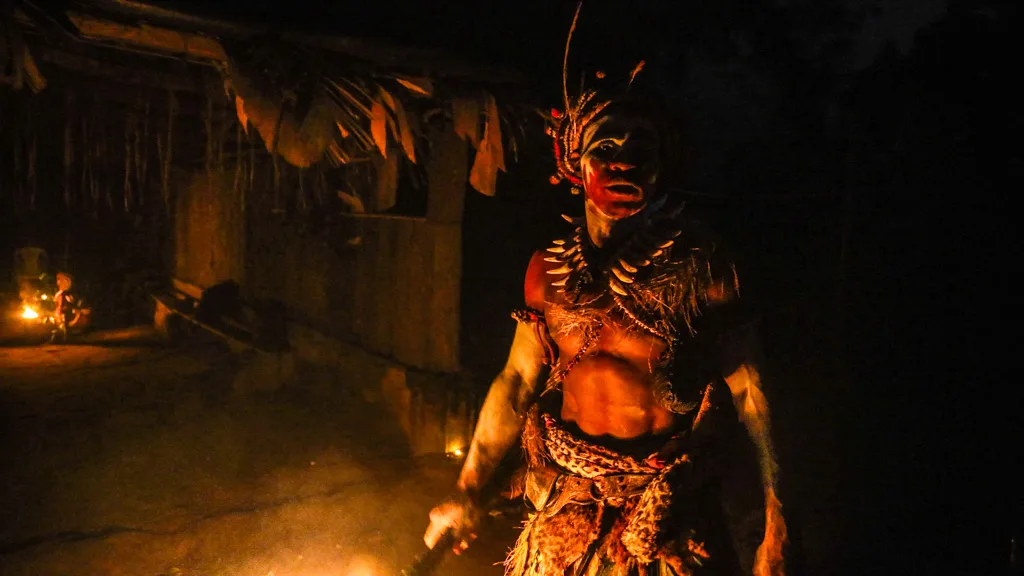
On the cliffs of Bandiagara, a dancer wearing a mask that stands four meters tall moves between the world of the living and the world of the dead. The Dogon mask dance is not performance. It is a technology of transition — one of the most sophisticated funerary systems ever devised by a human community, and one that the modern world has barely begun to understand.
Gabon
17m
Aug 24, 2026
Deep in the equatorial rainforests of Gabon, a spiritual tradition older than the state that contains it has been asking the same question for centuries: what do the dead know that the living have forgotten? The Bwiti answer involves iboga, a root bark that the forest keeps, an all-night ceremony that the community performs, and a journey that no one who has taken it describes the same way twice.
Niger
17m
Aug 24, 2026
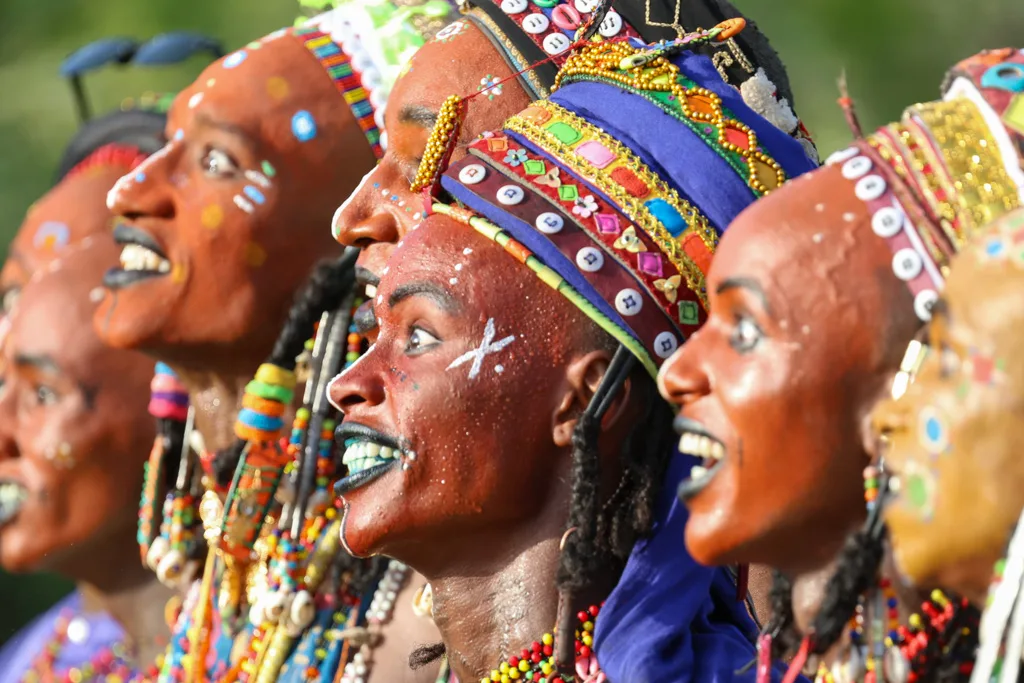
In the Sahel, where survival has always been the primary occupation, the Wodaabe people of Niger hold a festival in which men spend hours applying elaborate makeup, rehearse their smiles in pocket mirrors, and compete to be selected as the most beautiful by women who hold all the choosing power. Gerewol inverts almost every assumption the outside world carries about gender, beauty, and the nomadic life.
Micronesia
18m
Aug 24, 2026
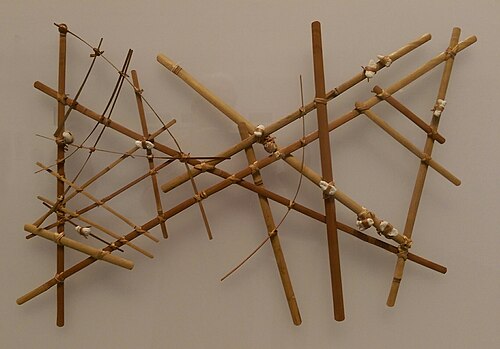
Before GPS, before compasses, before any instrument Western science would recognize as navigational equipment, Micronesian voyagers were crossing hundreds of miles of open Pacific Ocean with near-perfect accuracy. Their charts were made of sticks and shells — and they were never meant to be taken on the boat.
North Macedonia
14m
Jul 12, 2026
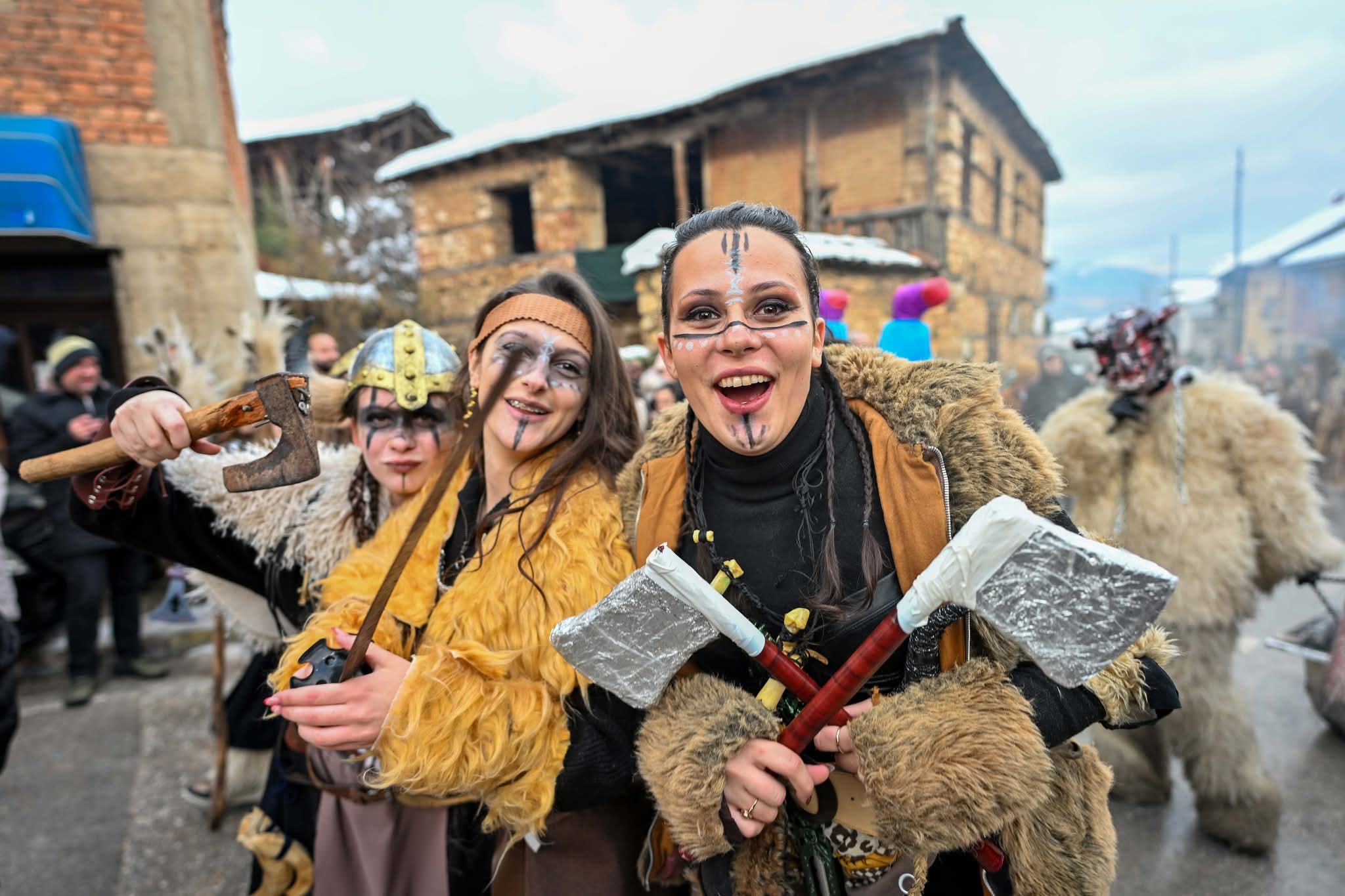
North Macedonia is known for its Village Patron Saint Festivals, a unique tradition where communities honor the saint believed to protect their village. These annual celebrations combine religious ceremonies, traditional foods, folk music, dancing, and family gatherings. The festivals help preserve cultural heritage, strengthen community bonds, and pass traditions to younger generations. Families often travel long distances to reunite and celebrate together. More than a religious event, the festival represents local identity, pride, and social unity. Even today, Village Patron Saint Festivals remain one of the most important and respected cultural traditions in North Macedonia.