Ngondo
19m
Sep 12, 2026
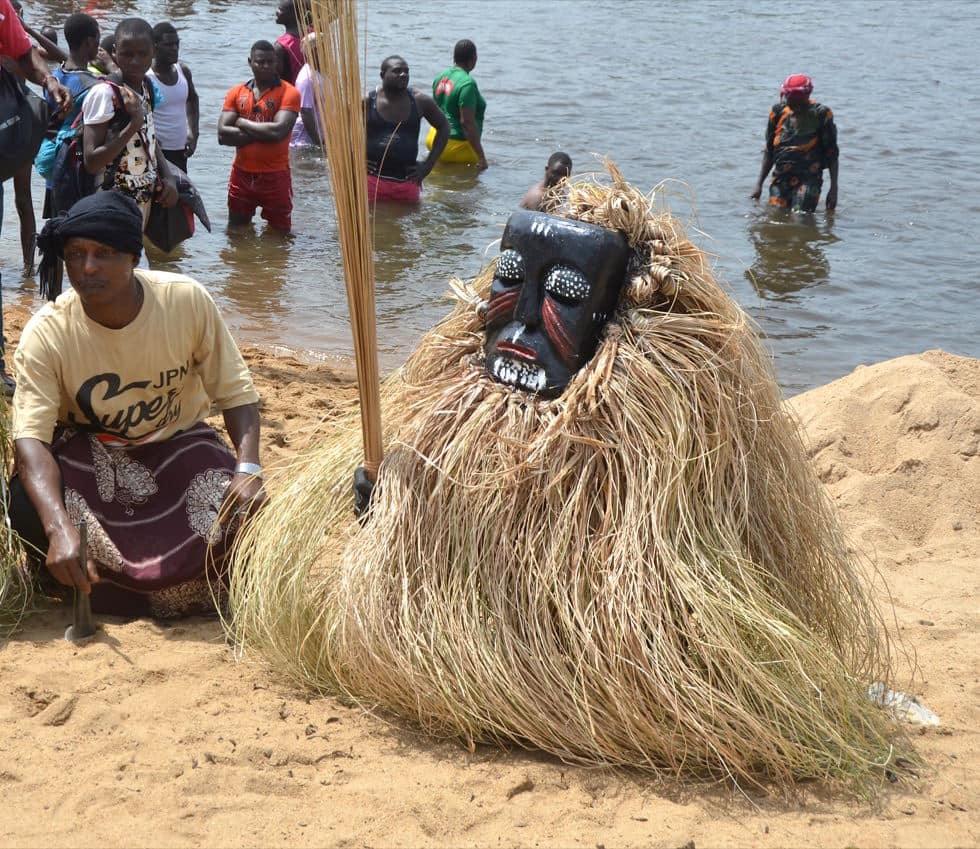
Every December, the Wouri River at Douala becomes a threshold between the living and the dead. The Ngondo festival is not a cultural performance — it is a consultation. The Sawa people gather at the water's edge to ask their ancestors what the coming year will bring, and the ancestors answer. Here is how a civilization listens to a river.
Chad
18m
Sep 09, 2026
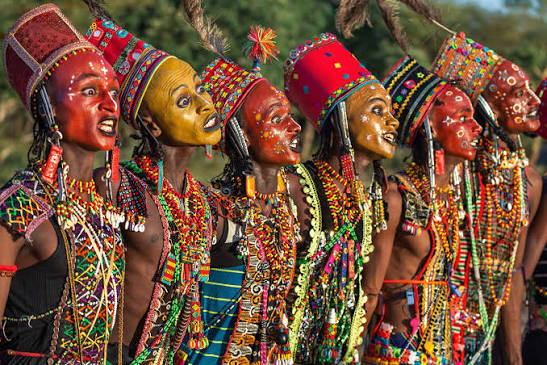
In the Sahel, at the end of the rainy season, Wodaabe men spend hours applying makeup, arranging their jewelry, and perfecting their expressions — then stand for hours in the desert heat while women walk slowly along the line and choose. This is the Gerewol festival, and it inverts almost everything the outside world assumes about gender, beauty, and the right to judge.
Solomon Islands
18m
Sep 07, 2026
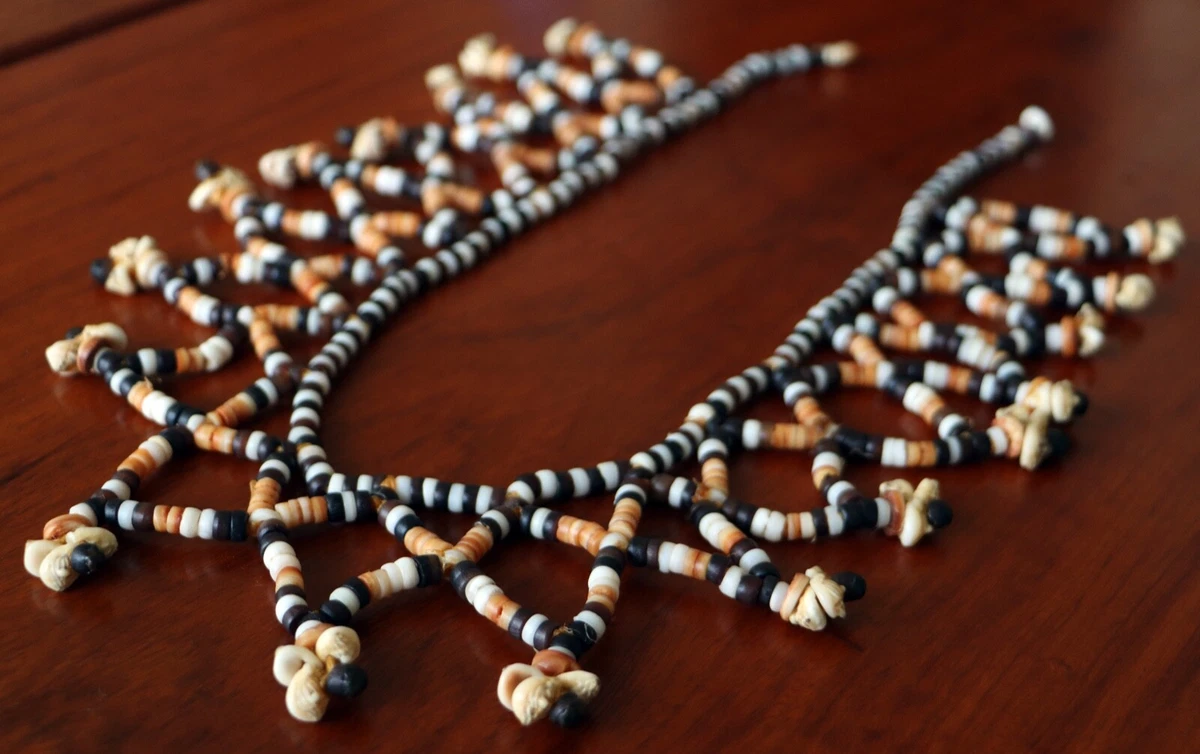
The Solomon Islands have had shell money for over a thousand years — and it still works. Not as heritage, not as museum artifact, but as actual currency for bride prices, land disputes, and peace negotiations that state law cannot reach. Here is what an economy looks like when it is built on relationships instead of abstraction.
Réunion
16m
Sep 06, 2026
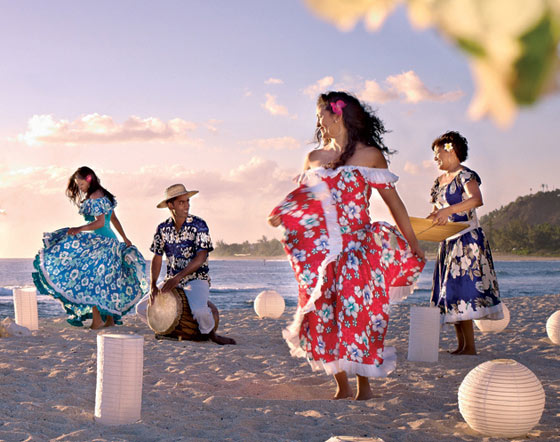
For decades, the French government banned it. Plantation owners feared it. The people who kept it alive did so in secret, in the hills, in the dark. Maloya is the music of Réunion's enslaved ancestors — and it is also the island's most urgent, most alive, most politically charged art form today. Here is what was suppressed, and why it could not be killed.
Kiribati
17m
Aug 28, 2026
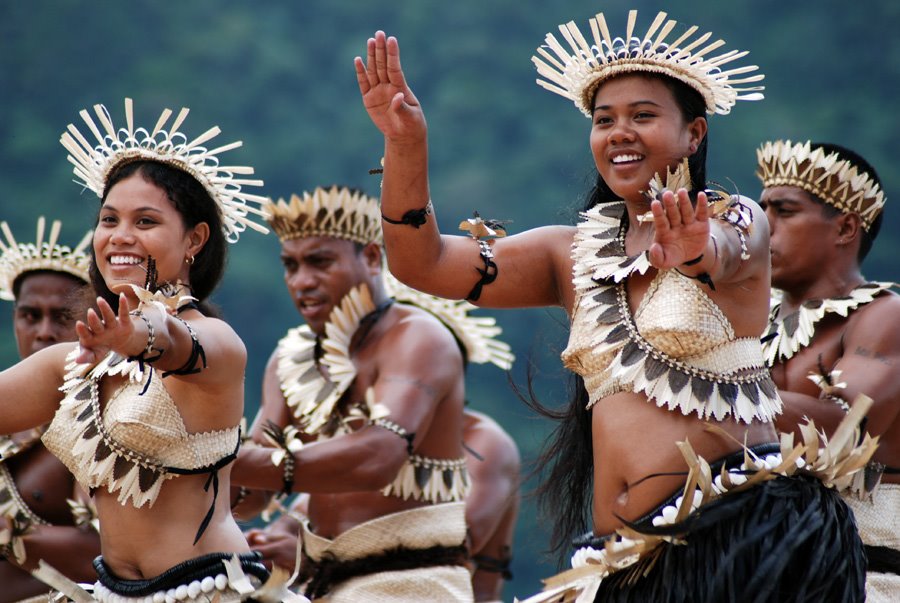
On coral atolls so flat that the ocean is always visible from the center of the island, the people of Kiribati built a structure that does the work of a parliament, a courthouse, a church, a concert hall, and a community center — all under one roof of pandanus thatch. The maneaba is the reason a civilization survived in one of the most isolated and vulnerable places on earth. And it may not survive the century.
North Macedonia
14m
Jul 12, 2026
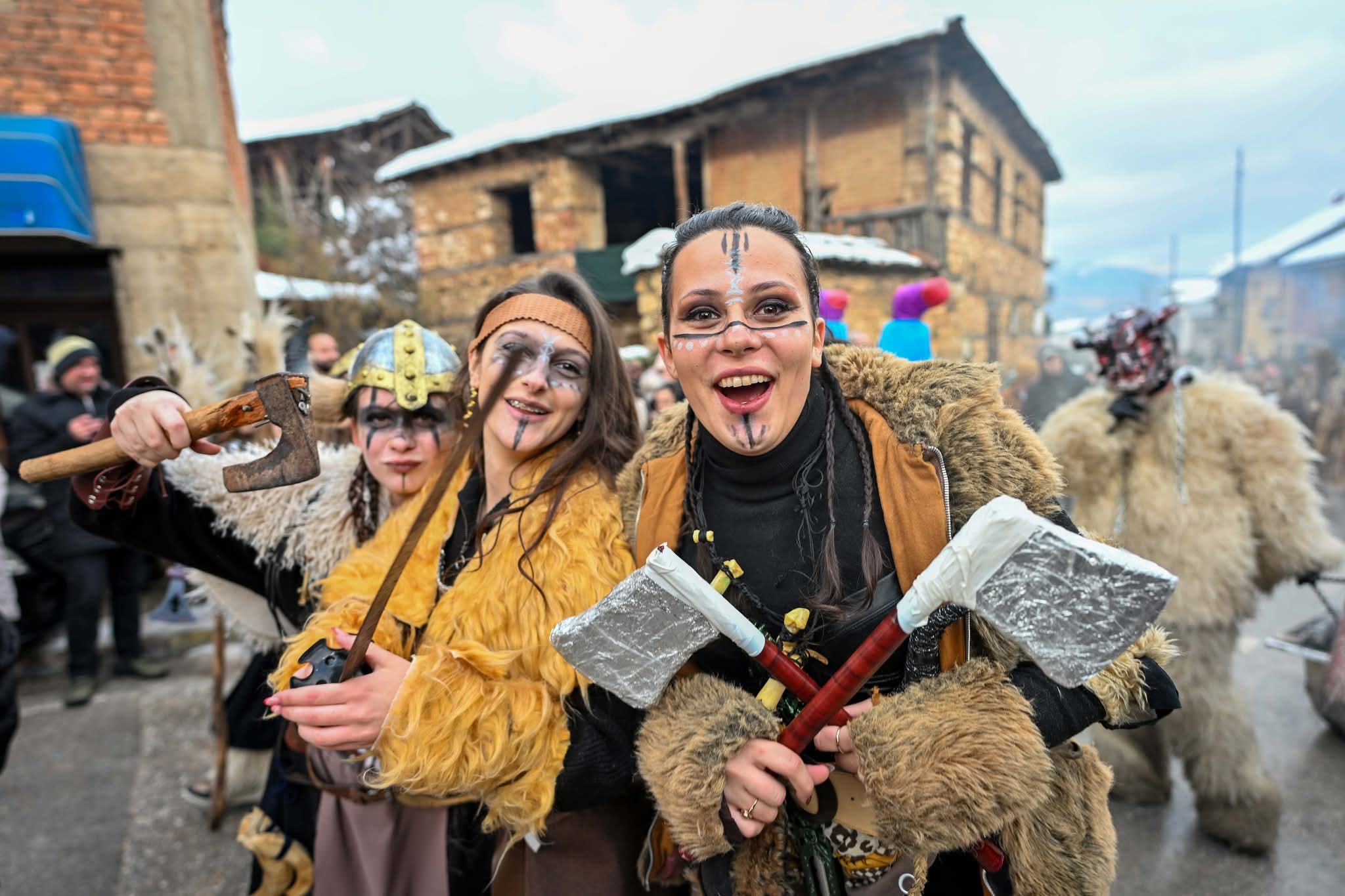
North Macedonia is known for its Village Patron Saint Festivals, a unique tradition where communities honor the saint believed to protect their village. These annual celebrations combine religious ceremonies, traditional foods, folk music, dancing, and family gatherings. The festivals help preserve cultural heritage, strengthen community bonds, and pass traditions to younger generations. Families often travel long distances to reunite and celebrate together. More than a religious event, the festival represents local identity, pride, and social unity. Even today, Village Patron Saint Festivals remain one of the most important and respected cultural traditions in North Macedonia.
Myanmar
15m
Jul 05, 2026
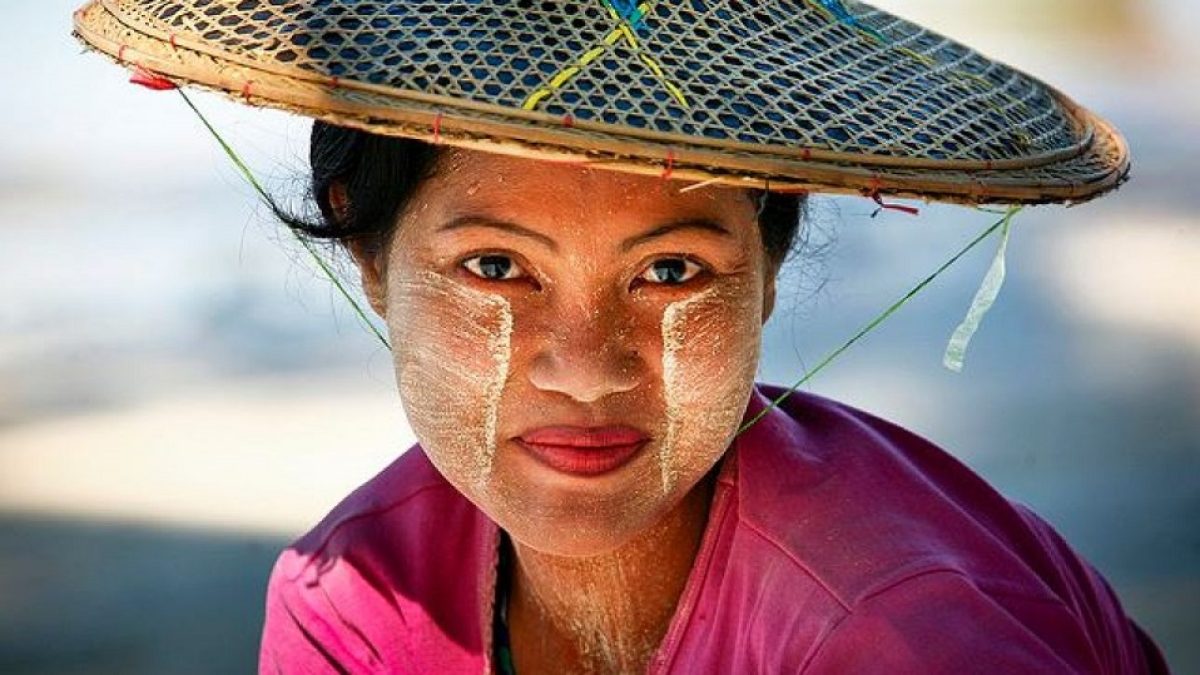
Every morning, across Myanmar, millions of people grind a small piece of wood against a wet stone and apply the resulting paste to their faces. Thanaka is two thousand years old, cosmetically effective, spiritually protective, and socially essential — and the way it's applied tells you more about Burmese identity than any history book will.
Thailand
10m
Jun 28, 2026
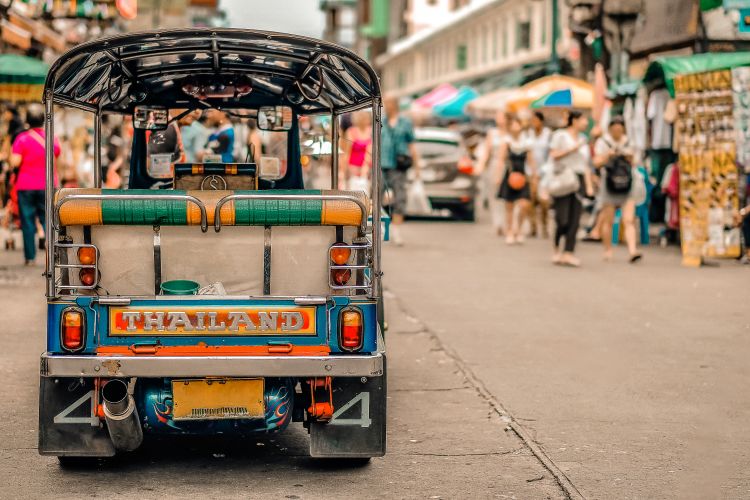
Thailand isn't just a destination — it's a civilization in motion. From the wai that greets strangers to the sacred geometry of spirit houses, Thai culture operates on a logic most outsiders never fully decode. Here's what lies beneath the surface of one of Asia's most misunderstood cultures.
Sweden
15m
Mar 23, 2026
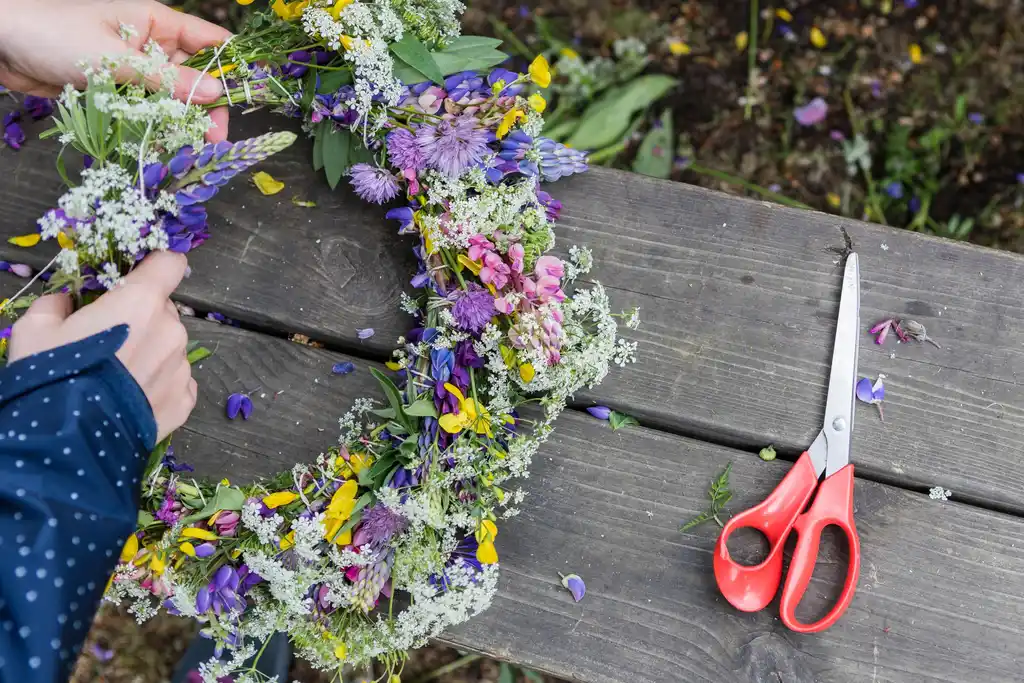
On the longest day of the year, something happens across the Northern Hemisphere that no calendar notification can prepare you for: the sky refuses to go dark. Midsummer is the oldest festival humanity has ever held — and it turns out that light, when there is finally too much of it, makes people do extraordinary things.
South Korea
12m
Mar 19, 2026
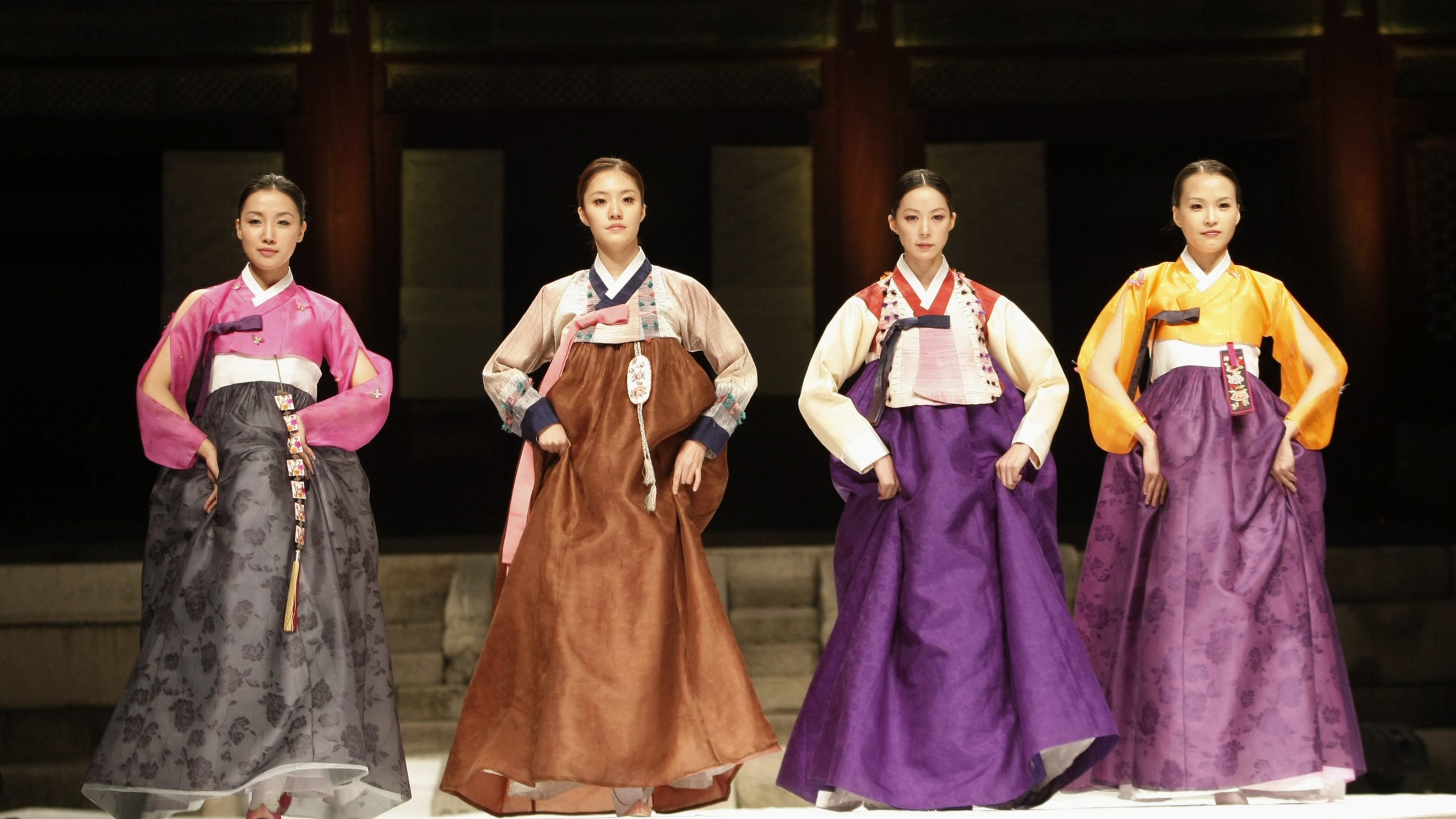
Hanbok is the traditional clothing of South Korea, known for its elegance, vibrant colors, and cultural meaning. Worn during festivals, ceremonies, and special occasions, Hanbok reflects Korean values of harmony, respect, and identity. Beyond its beauty, Hanbok is deeply connected to history, social status, and seasonal traditions. Today, it remains a proud symbol of Korean heritage, blending tradition with modern fashion. Understanding Hanbok is not just about clothing, but about experiencing the rich cultural identity of Korea.
Papua New Guinea
11m
Mar 18, 2026
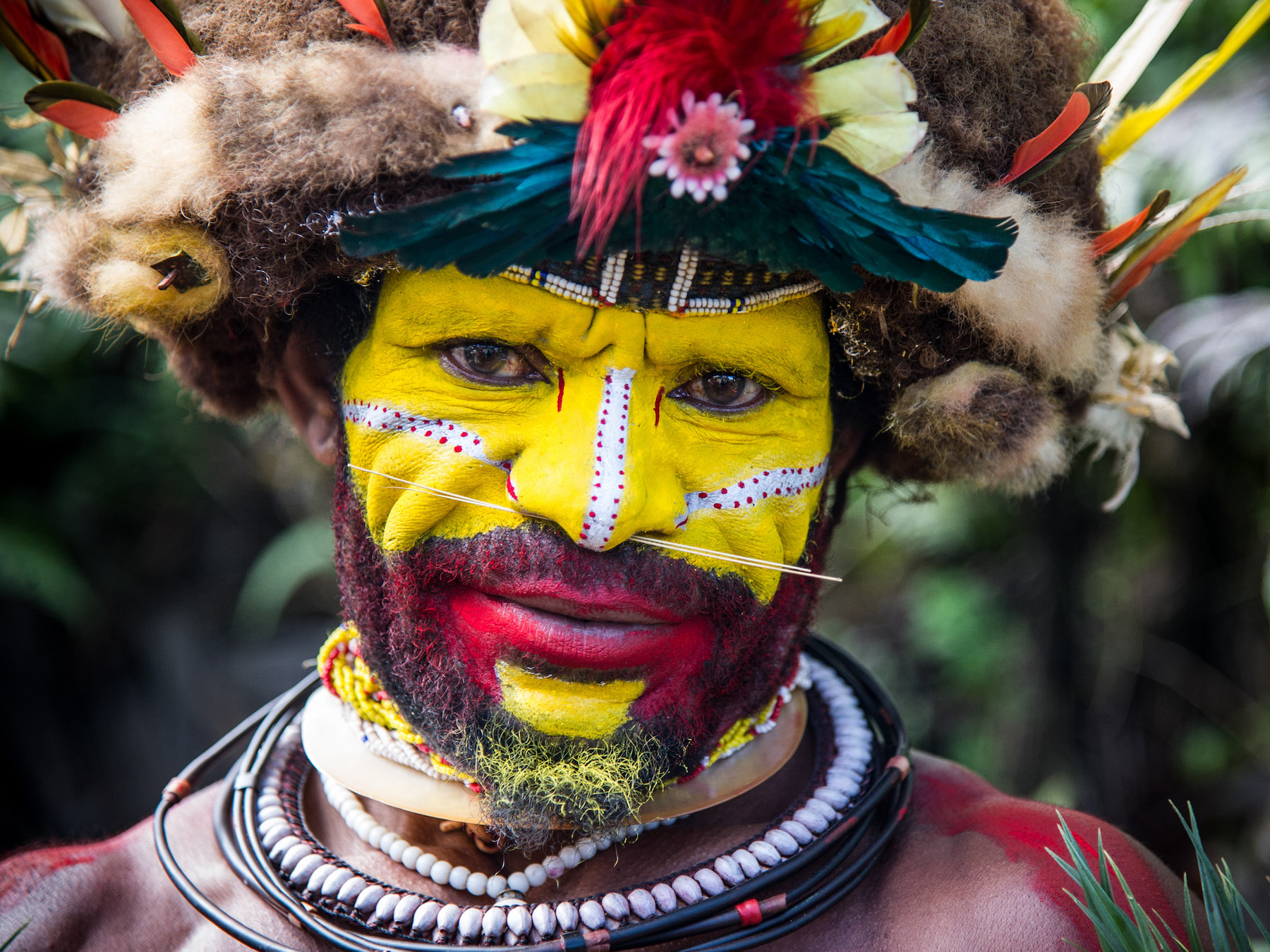
Tribal face painting in Papua New Guinea is a striking and meaningful cultural practice that reflects identity, status, and spiritual beliefs. Known for its bold colors and intricate patterns, this tradition is commonly seen during festivals, rituals, and ceremonies. Each design tells a story, representing ancestry, tribal affiliation, and connection to nature. Far beyond decoration, face painting in Papua New Guinea is a living expression of heritage, pride, and cultural continuity

Kenya
10m
Mar 18, 2026
The Samburu Tribe, residing in northern Kenya, is one of Africa’s most visually striking and culturally rich communities. Known for their colorful attire, intricate beadwork, and pastoral lifestyle, the Samburu have preserved their traditions for centuries. Their way of life revolves around livestock, community values, and deep spiritual beliefs. Beyond aesthetics, the Samburu embody resilience, harmony with nature, and a strong sense of identity. From rituals to festivals, daily practices, and storytelling, every aspect of Samburu life reflects cultural pride. Today, their traditions continue to inspire travelers, anthropologists, and culture enthusiasts worldwide.