Sierra Leone
·
16 min read
·
3 days ago
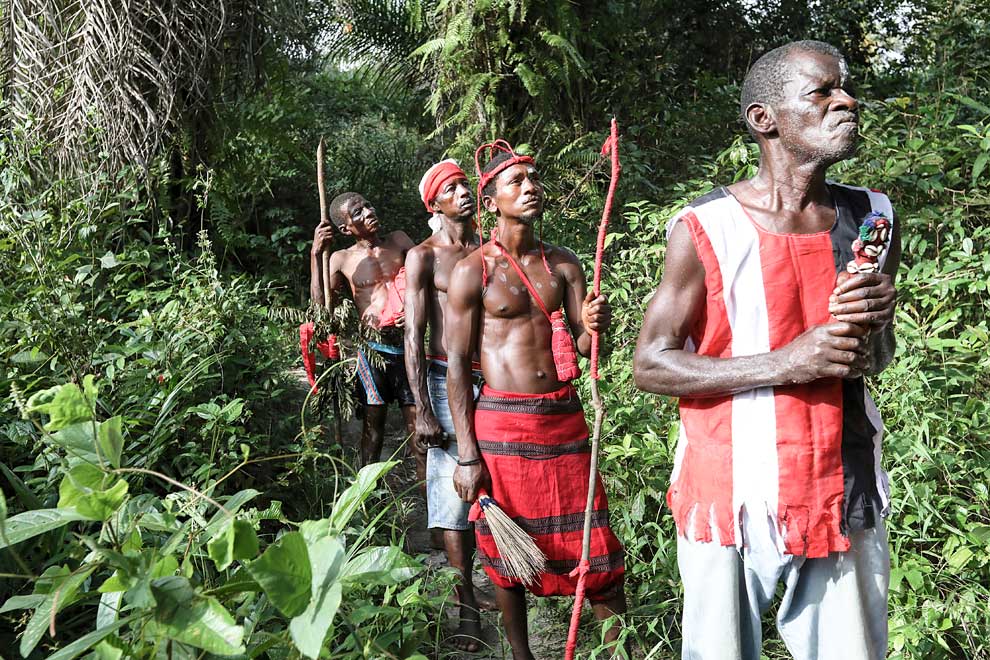
The Poro Society has no headquarters, no written constitution, and no official membership list. Yet for centuries it has governed communities, resolved disputes, educated youth, and held political power across Guinea and Sierra Leone with an authority that colonial administrations feared, missionaries tried to ban, and modern states have never fully replaced. Here is what the forest holds.
Guinea
·
19 min read
·
4 weeks ago
Once every seven years, in the villages of Guinea's Baga people, a massive sacred mask rises from the water and the community's entire social and spiritual order is renewed around it. The Kakilambe is not a costume. It is a deity, a court, and a covenant — and the world outside West Africa has barely heard of it.
Benin
·
18 min read
·
1 month ago
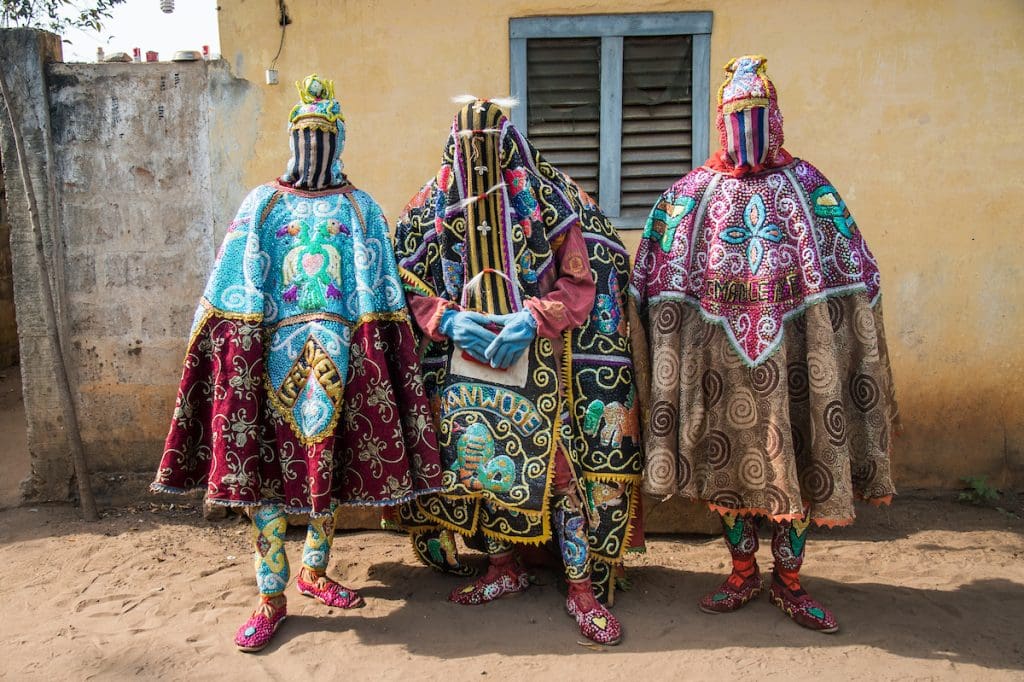
Hollywood gave Vodun skulls and pins and curses. Benin, the religion's birthplace, gave it temples, sacred forests, a pantheon of 401 deities, and a festival that draws a million people every January. Here is what Vodun actually is — and why its misrepresentation is one of the great distortions in the history of world religion.
Ngondo
·
19 min read
·
1 month ago
Every December, the Wouri River at Douala becomes a threshold between the living and the dead. The Ngondo festival is not a cultural performance — it is a consultation. The Sawa people gather at the water's edge to ask their ancestors what the coming year will bring, and the ancestors answer. Here is how a civilization listens to a river.
Ivory Coast
·
18 min read
·
1 month ago
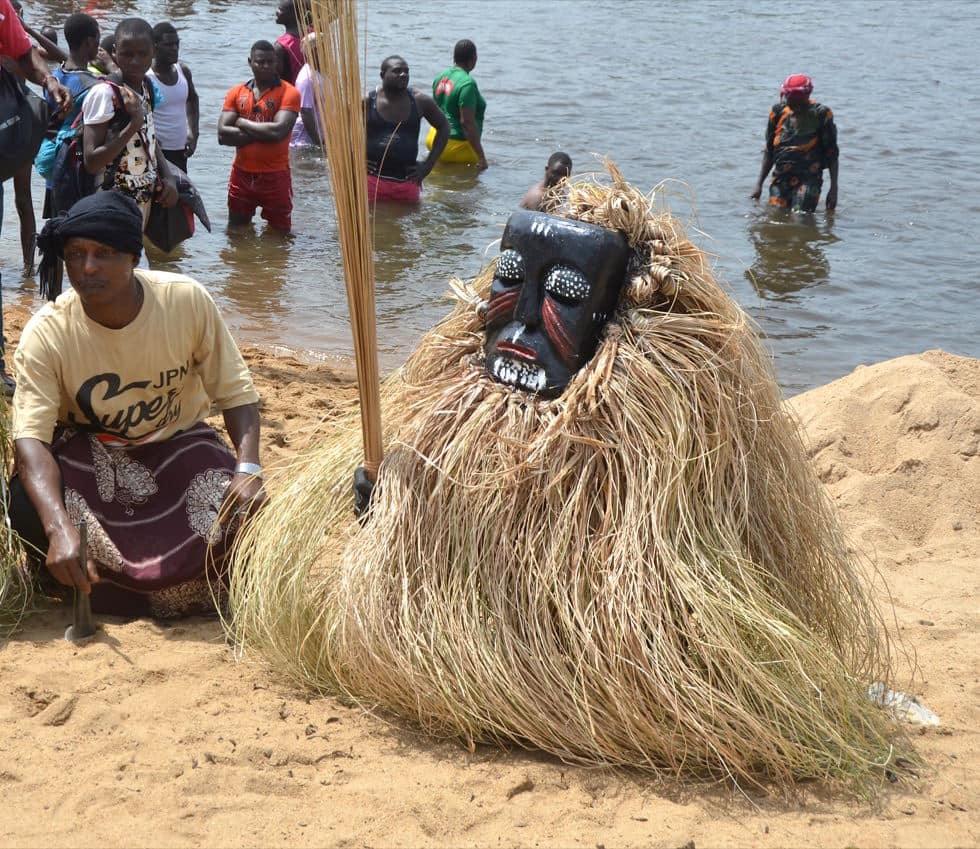
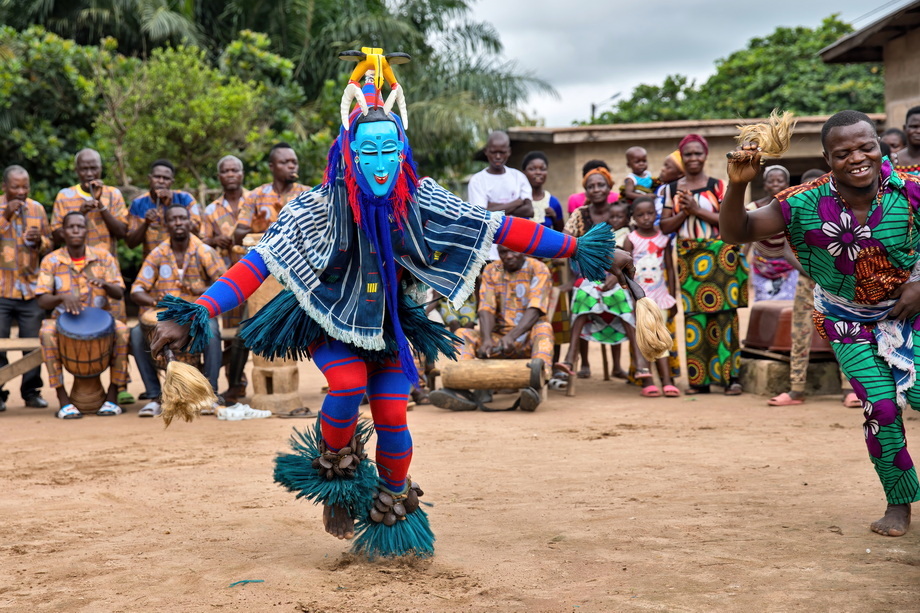
The Zaouli mask of Ivory Coast's Guro people is considered one of the most beautiful objects in African art. But it is not made to be looked at — it is made to move. When the Zaouli dances, something happens that the mask alone cannot do, and what it does has been keeping a community alive, spiritually and socially, for over a century.
Chad
·
18 min read
·
1 month ago
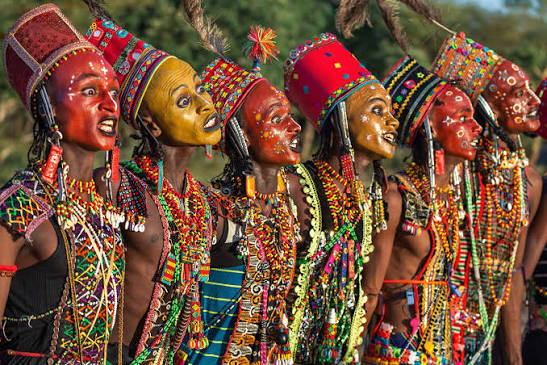
In the Sahel, at the end of the rainy season, Wodaabe men spend hours applying makeup, arranging their jewelry, and perfecting their expressions — then stand for hours in the desert heat while women walk slowly along the line and choose. This is the Gerewol festival, and it inverts almost everything the outside world assumes about gender, beauty, and the right to judge.