Madagascar
3m
Jun 15, 2026
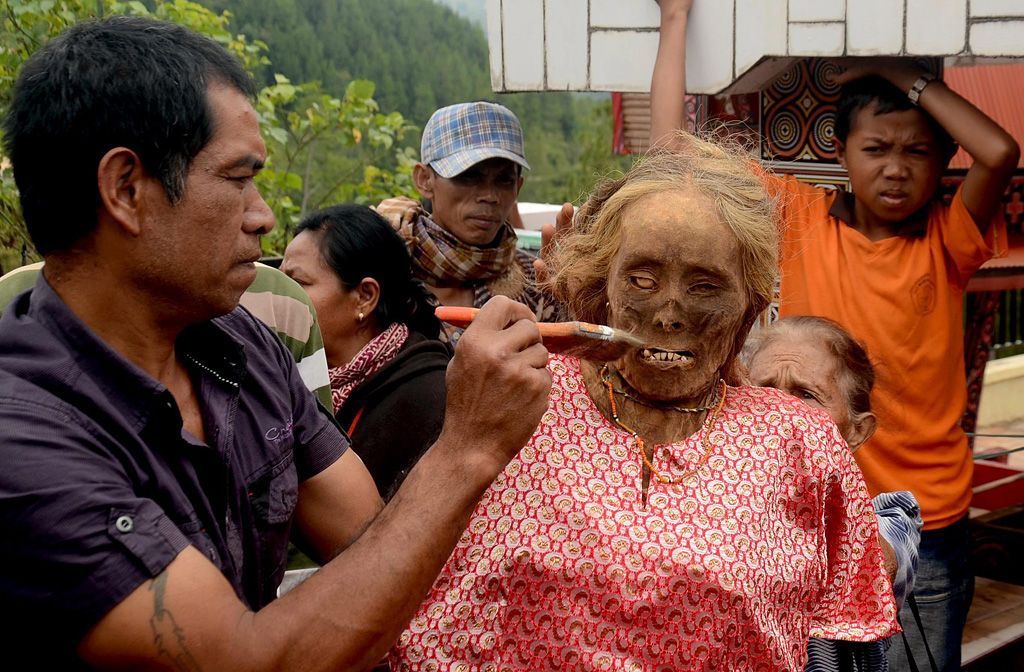
Madagascar is known for the unique Famadihana tradition, also called the "Turning of the Bones." This ancestral ceremony involves families gathering to honor deceased relatives by respectfully rewrapping their remains in fresh cloth and celebrating with music, dancing, and storytelling. The tradition reflects the belief that ancestors continue to play an important role in family life. Famadihana strengthens family bonds, preserves cultural heritage, and connects younger generations with their ancestry. Even today, the ceremony remains a significant part of Malagasy culture and symbolizes respect, remembrance, and the enduring relationship between the living and their ancestors.
Switzerland
3m
Jun 15, 2026
Word Summary
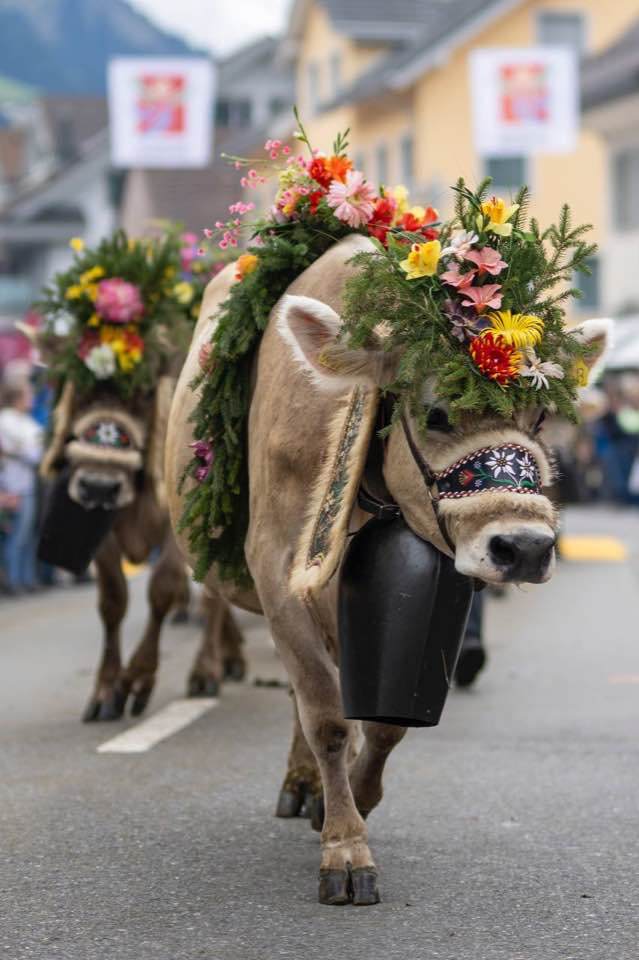
Switzerland is known for Alpabzug, a traditional Alpine festival that marks the return of cattle from mountain pastures to the valleys at the end of summer. During this centuries-old celebration, cows are decorated with flowers, ornaments, and large bells, while farmers wear traditional clothing. Villages host parades, music, and cultural events to honor their agricultural heritage. Alpabzug symbolizes the strong connection between Swiss communities, nature, and farming traditions. The festival continues to attract visitors from around the world and plays an important role in preserving Switzerland’s rural culture and Alpine identity.
Turkey
3m
Jun 15, 2026
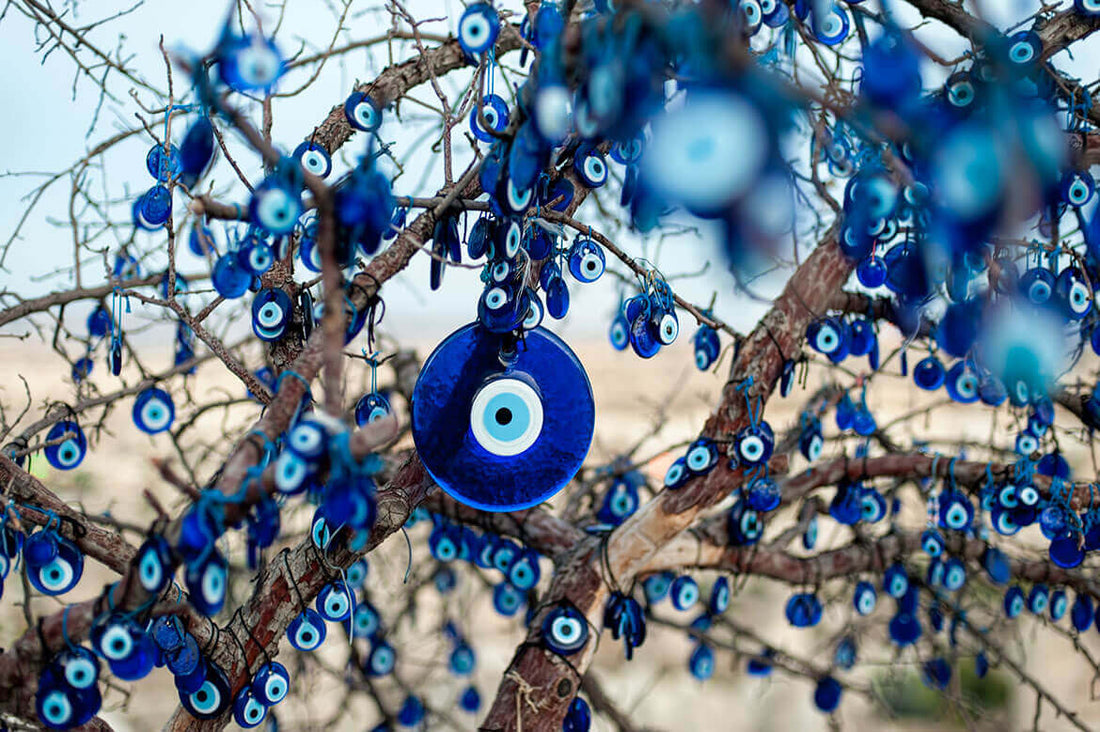
Turkey is famous for its Evil Eye Tradition, known as Nazar, a cultural belief that envy or jealousy can bring bad luck and negative energy. To protect against this, people use the Nazar Boncuğu, a blue eye-shaped amulet believed to deflect harmful influences. The symbol is commonly worn as jewelry, displayed in homes, businesses, and vehicles, and given as a gift during important occasions. Deeply rooted in Turkish culture, the tradition has been passed down for generations. Even today, the Evil Eye remains one of Turkey’s most recognizable symbols, representing protection, good fortune, and cultural heritage.
Lithuania
2m
Jun 15, 2026
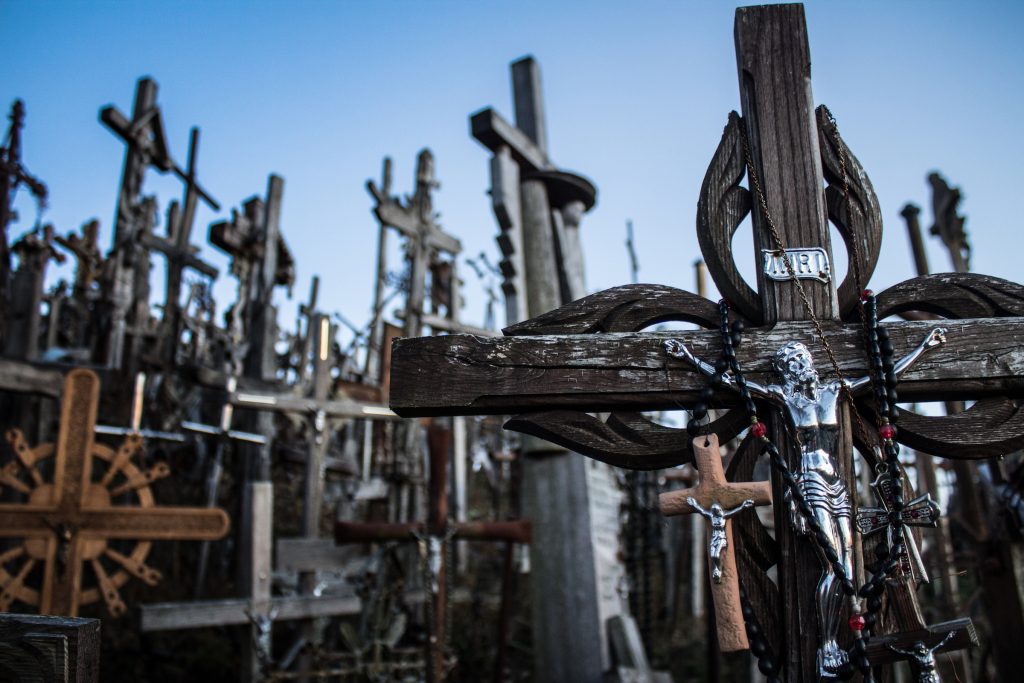
Lithuania is known for its unique Cross-Crafting Tradition, a centuries-old form of spiritual folk art. Skilled craftsmen create intricate wooden crosses decorated with religious and nature-inspired symbols. The tradition combines Christian beliefs with local cultural heritage and has been passed down through generations. These crosses are often placed in villages, roadsides, and sacred locations as symbols of faith, protection, and remembrance. Cross-crafting is an important part of Lithuanian identity and preserves traditional woodworking skills. Even today, the practice continues through cultural festivals and artisan workshops, keeping this remarkable heritage alive for future generations.
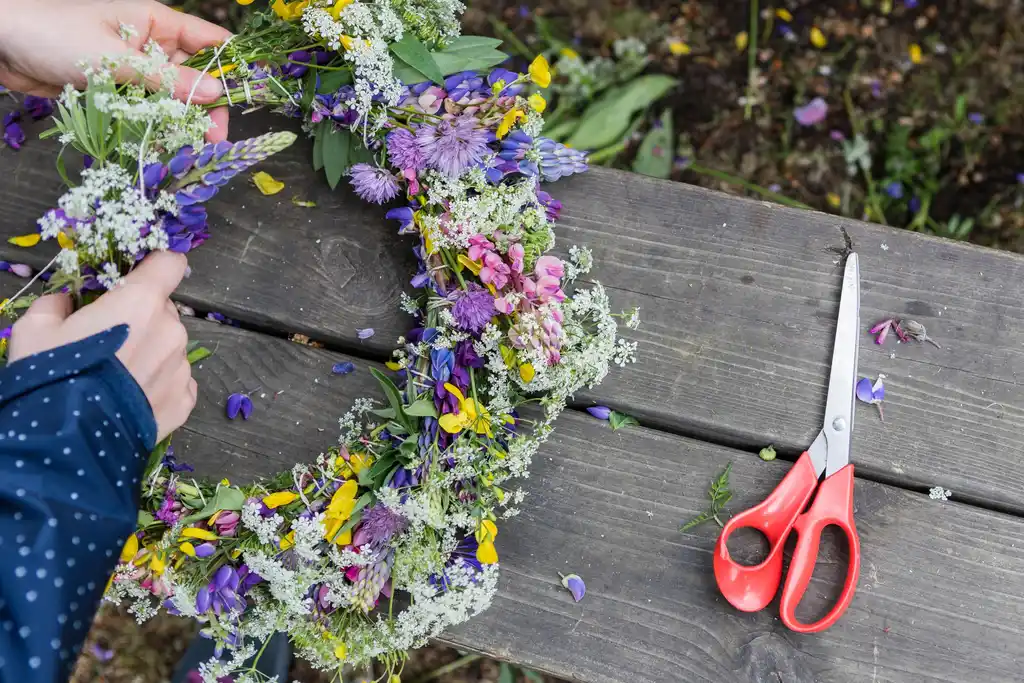
Sweden
3m
Mar 23, 2026
The Midsummer Festival is one of the most magical and widely celebrated traditions in Northern Europe, especially in Sweden and Finland. Celebrated during the longest days of the year, it marks the summer solstice when daylight lasts almost all night. This festival is deeply connected to nature, symbolizing fertility, happiness, and renewal. People gather with family and friends, dance around decorated poles, sing traditional songs, and enjoy seasonal food. Midsummer is not just a festival, but a joyful expression of life, light, and cultural heritage.
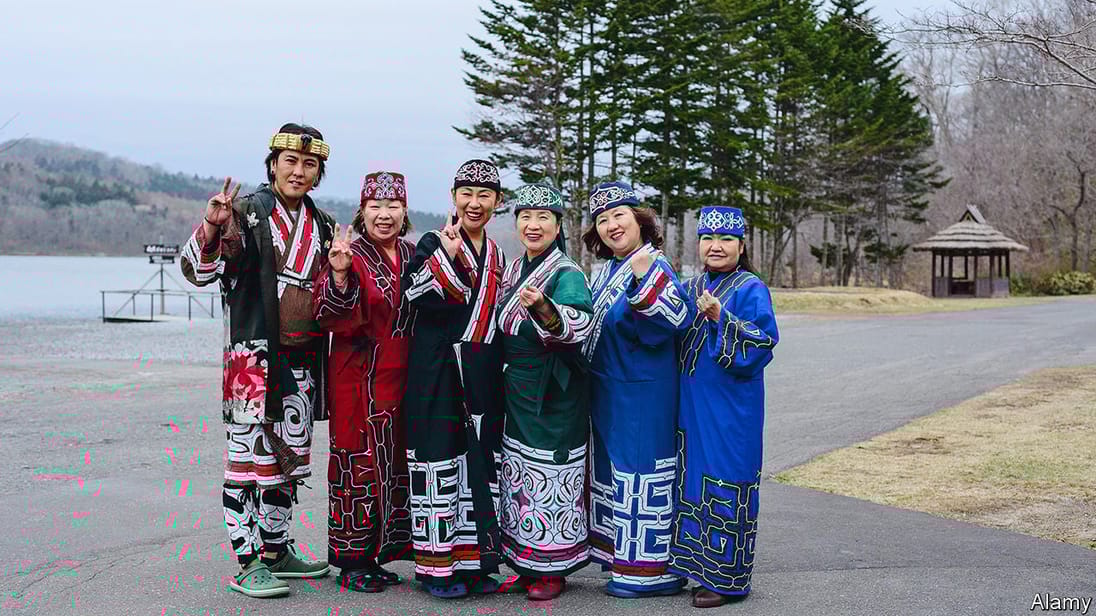
japan
3m
Mar 19, 2026
Ainu Culture, known as Aynu Puri, represents the unique traditions, beliefs, and lifestyle of the indigenous people of northern Japan, especially in Hokkaido. Rich in spirituality and deeply connected to nature, Ainu culture is expressed through rituals, music, dance, and traditional crafts. From their sacred ceremonies to their distinctive clothing and oral traditions, the Ainu people have preserved a cultural identity that stands apart from mainstream Japanese society. Today, Aynu Puri is recognized as an important cultural heritage that reflects resilience, history, and harmony with nature.
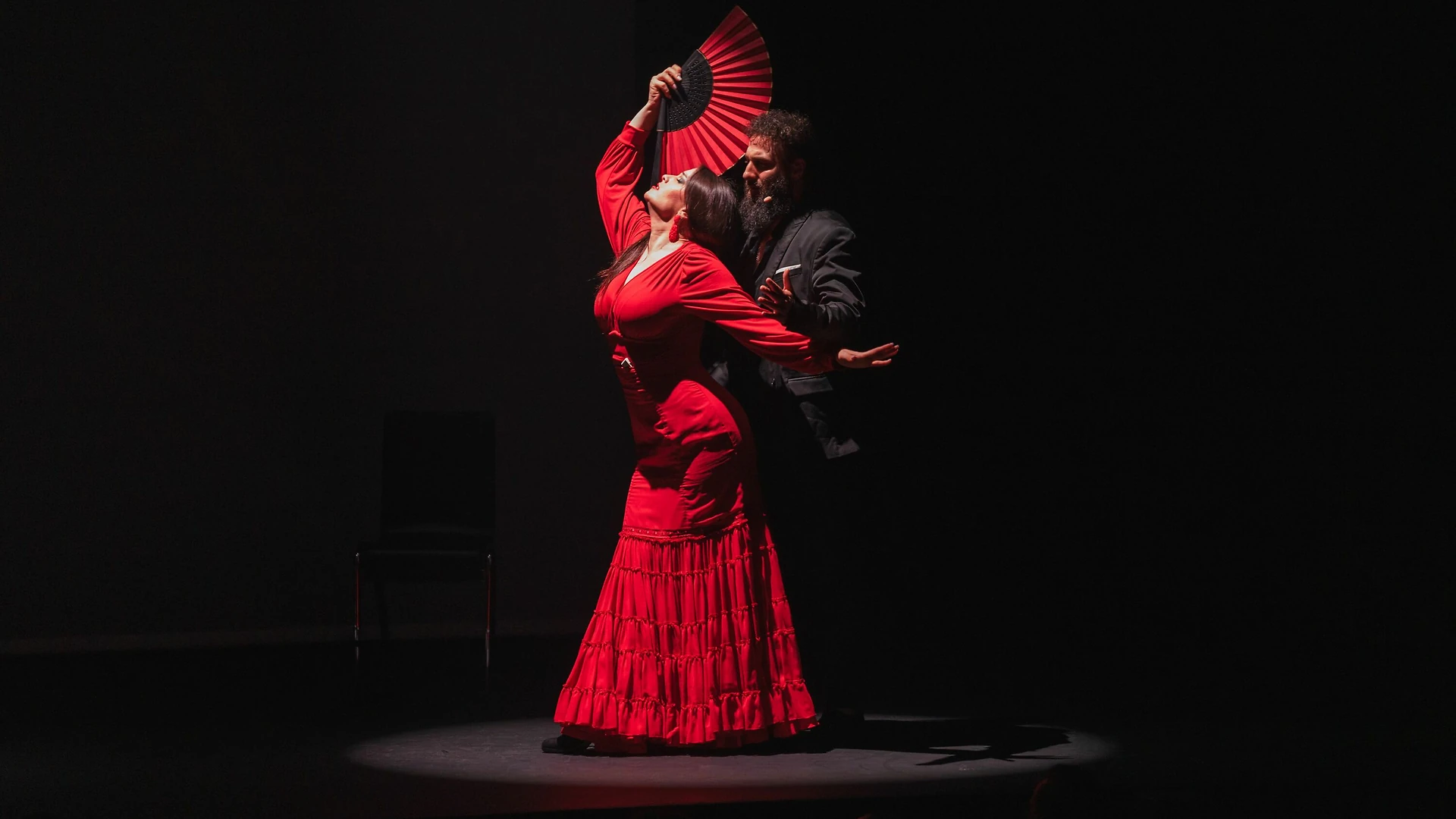
Spain
3m
Mar 18, 2026
Flamenco dance is one of the most powerful and expressive art forms from Spain, especially rooted in the region of Andalusia. Known for its intense emotions, rhythmic footwork, and dramatic movements, flamenco is more than just a dance. It is a cultural expression that blends music, singing, and storytelling. With deep historical roots influenced by Romani, Moorish, and Andalusian traditions, flamenco represents passion, struggle, and identity. Today, it continues to captivate audiences worldwide with its unique rhythm and artistic depth.

Kenya
4m
Mar 18, 2026
The Samburu Tribe, residing in northern Kenya, is one of Africa’s most visually striking and culturally rich communities. Known for their colorful attire, intricate beadwork, and pastoral lifestyle, the Samburu have preserved their traditions for centuries. Their way of life revolves around livestock, community values, and deep spiritual beliefs. Beyond aesthetics, the Samburu embody resilience, harmony with nature, and a strong sense of identity. From rituals to festivals, daily practices, and storytelling, every aspect of Samburu life reflects cultural pride. Today, their traditions continue to inspire travelers, anthropologists, and culture enthusiasts worldwide.

India
9m
Mar 10, 2026
Once a year, an entire society is given permission to forget how it is supposed to behave.
Bosses are chased by employees, strangers pull each other into clouds of color, and the usual lines of caste, class, and age stop holding for long enough that no one can pretend they were ever permanent.
This is Holi — not just a festival of color, but a ritualized collapse of order. Its mythology is darker than it looks: a father who tries to burn his own son, a cloak that betrays power, a child whose refusal to submit becomes the moral center of the story. What follows is not celebration as we usually understand it, but a sanctioned inversion of everything that holds society still.
For a few hours, hierarchy doesn’t disappear. It just stops being obeyed.
And everyone remembers what that feels like.
#Holi #India #FestivalOfColors #Culture #Mythology #Tradition #SocialAnthropology #CulturalHistory #Festivals #Identity #SouthAsia #Ritual #HumanBehavior #CultureXpose

sri lanka
5m
Mar 03, 2026
Navaratri is a nine-night celebration of devotion, culture, and the Divine Feminine
From honoring Goddess Durga, Lakshmi, and Saraswati to the beautiful Golu displays in Tamil homes, the festival brings together prayer, music, dance, and storytelling in a vibrant expression of heritage.
Across Sri Lanka and the global Tamil diaspora, Navaratri continues to unite families and communities in faith, creativity, and cultural pride.
#Navaratri #TamilCulture #Festival #SriLanka #India #Golu #Tradition #CultureXpose #DivineFeminine

sri lanka
6m
Mar 02, 2026
Deepavali (Diwali) shines as one of the most meaningful celebrations for Sri Lankan Tamils
A festival of light over darkness, it brings families together through temple prayers, glowing oil lamps, colorful kolam designs, and the sharing of traditional sweets. From Murukku to Laddu, every dish and ritual reflects generosity, devotion, and cultural pride.
Across Sri Lanka and the global Tamil diaspora, Deepavali continues to unite communities in faith, joy, and tradition.
#Deepavali #Diwali #TamilCulture #SriLanka #FestivalOfLights #Tradition #CultureXpose #Unity #Heritage

sri lanka
7m
Mar 01, 2026
Sri Lankan Tamils are a vibrant community with a rich cultural heritage that spans centuries 🇱🇰✨ From the graceful movements of Bharatanatyam and soulful Carnatic music to delicious traditional cuisine and colorful festivals, their culture continues to thrive in everyday life.
Rooted in strong family values, storytelling, and timeless traditions, Sri Lankan Tamil identity is passed down through generations with pride and devotion. Festivals like Pongal, Diwali, and Kanda Sashti bring communities together in celebration, faith, and joy.
Step into a world of art, tradition, and celebration—and experience the living spirit of Sri Lankan Tamil culture
#SriLankanTamils #TamilCulture #SriLanka #CulturalHeritage #Pongal #Diwali #KandaSashti #Tradition #CultureXpose