Midsummer Festival – The Celebration of Light, Nature and Joy
Origin and History of Midsummer Festival
The origins of the Midsummer Festival date back to ancient pagan traditions that celebrated the power of the sun and nature. Before Christianity, people believed that the summer solstice held magical energy that could bring good luck, health, and prosperity.
Over time, these traditions blended with modern celebrations, but the connection to nature and seasonal change remains strong.

How Midsummer is Celebrated
Midsummer celebrations are vibrant and full of life, especially in Scandinavian countries.
Common activities include
• Dancing around the maypole, decorated with flowers and greenery
• Singing traditional folk songs
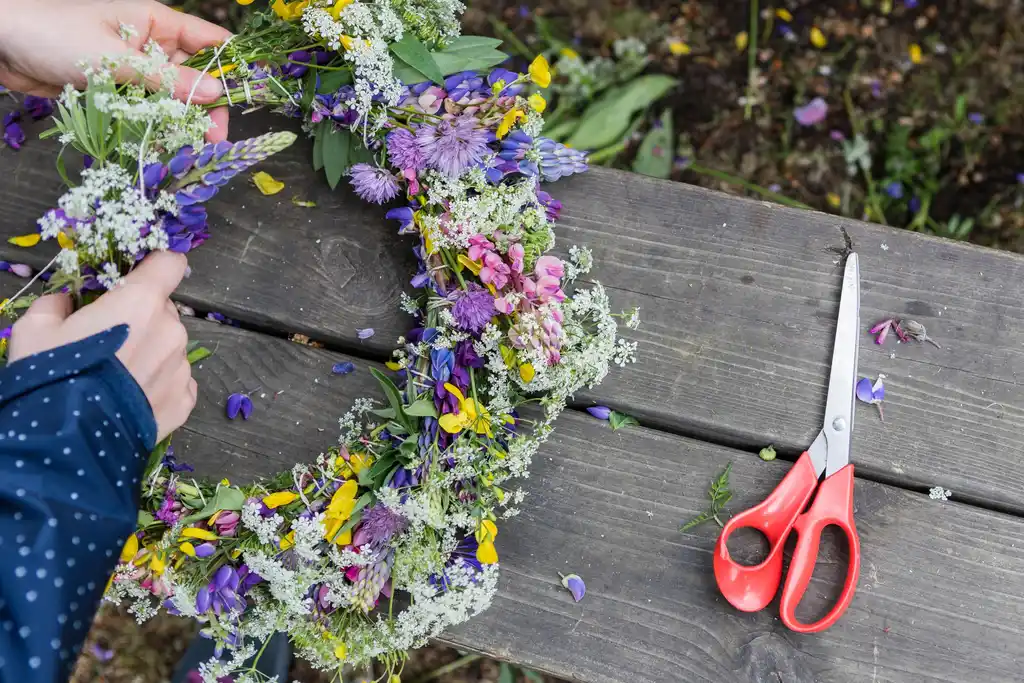
• Wearing flower crowns on the head
• Gathering with family and friends in open nature
• Playing outdoor games and enjoying the long daylight
The atmosphere is cheerful, colorful, and filled with positive energy.

Traditional Food and Festive Treats
Food is an important part of the Midsummer celebration. Seasonal and fresh ingredients are commonly used.
Popular Midsummer foods include
• Pickled herring
• Boiled new potatoes with herbs
• Fresh strawberries with cream
• Traditional breads and drinks
These dishes reflect the freshness of summer and local traditions.

Cultural Meaning and Symbolism
Midsummer is deeply symbolic and meaningful in European culture.
• Celebrates the longest day of the year
• Represents light, life, and growth
• Symbolizes fertility and new beginnings
• Strengthens connection with nature
• Brings people together in unity and joy
The festival reminds people to appreciate nature and simple happiness.
Midsummer Traditions and Beliefs
There are many interesting beliefs associated with Midsummer.
• Young people collect flowers and place them under pillows to dream about future partners
• Bonfires are lit in some regions to ward off evil spirits
• Nature is believed to have special healing power during this time
These traditions add a magical and mystical feeling to the celebration.
Midsummer in Modern Times
Today, Midsummer remains one of the most important festivals in Northern Europe. Even in modern cities, people travel to the countryside to celebrate it traditionally.
Tourists from around the world visit countries like Sweden and Finland to experience this unique cultural event, making it globally recognized.
Conclusion
The Midsummer Festival is a beautiful celebration of light, nature, and life. With its joyful traditions, meaningful rituals, and strong cultural roots, it continues to bring people together every year. Whether through dancing, food, or nature, Midsummer reminds us to celebrate the simple joys of life and the beauty of the natural world.