Lithuania – Cross-Crafting Tradition and Spiritual Folk Art
Introduction to Lithuania's Cross-Crafting Culture
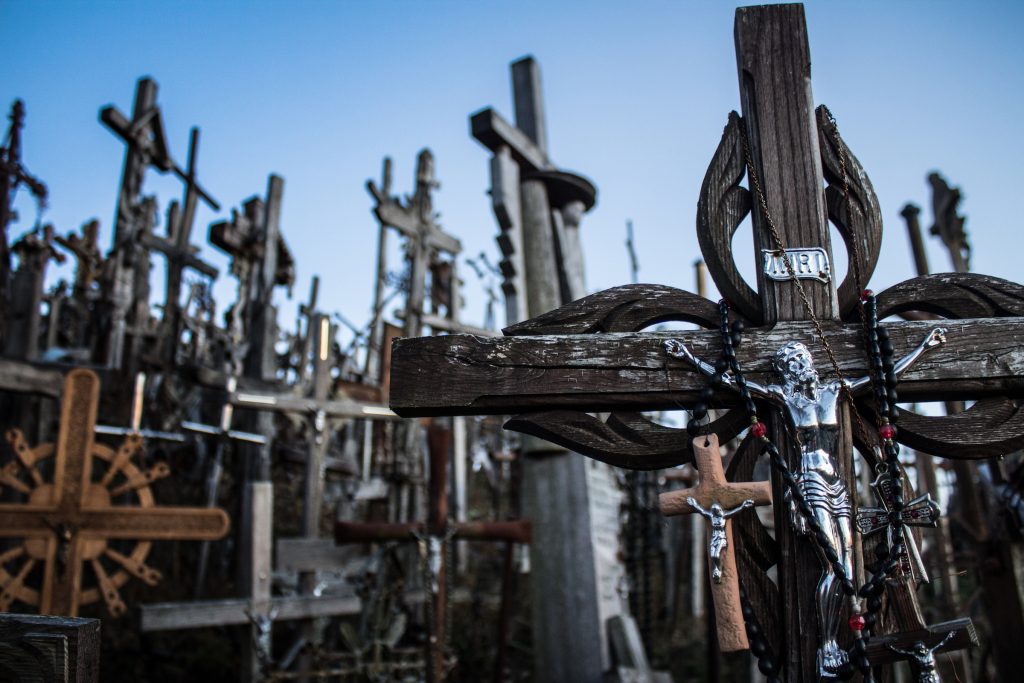
Lithuania is home to a unique hidden cultural tradition known as Cross-Crafting. This centuries-old folk art involves creating beautifully carved wooden crosses that combine religious faith, traditional craftsmanship, and cultural identity. Unlike ordinary crosses, Lithuanian crosses are often decorated with intricate patterns, symbols of nature, and artistic details that reflect the country's history and beliefs.
Cross-crafting is considered one of the most distinctive cultural traditions in Lithuania and remains an important symbol of national heritage.

Origins of the Tradition
The tradition dates back hundreds of years and developed as a way for people to express their faith and preserve local customs.
• Rooted in both Christian and ancient folk traditions
• Passed down through generations of skilled craftsmen
• Used to commemorate important events and loved ones
• Often placed in villages, roadsides, and sacred locations
Over time, these crosses became cultural landmarks across Lithuania.
Artistic Design and Symbolism
Lithuanian crosses are known for their detailed and meaningful designs.
• Hand-carved from wood by local artisans
• Decorated with floral, sun, and nature-inspired patterns
• Combine religious and traditional folk symbols
• Each cross is unique and reflects local artistic styles
The craftsmanship represents both spiritual devotion and artistic creativity.

Cultural and Spiritual Importance
Cross-crafting plays an important role in Lithuanian identity and community life.
• Symbolizes faith, hope, and protection
• Preserves traditional woodworking skills
• Connects people with their cultural roots
• Serves as a reminder of historical struggles and resilience
Many communities continue to maintain and celebrate this tradition today.
Cross-Crafting in Modern Lithuania
Although Lithuania has modernized, cross-crafting remains a respected cultural practice.
• Traditional craftsmen continue to create handmade crosses
• Cultural festivals promote the art form
• Younger generations learn traditional carving techniques
• The tradition attracts visitors interested in heritage and folk art
Efforts to preserve the craft help ensure it continues into the future.
Conclusion
The cross-crafting tradition in Lithuania is more than a form of folk art. It represents spirituality, history, creativity, and national identity. Through beautifully carved wooden crosses, Lithuanians preserve their cultural heritage and pass important values from one generation to the next.