Madagascar – Famadihana and the Turning of the Bones Tradition
Introduction to Famadihana
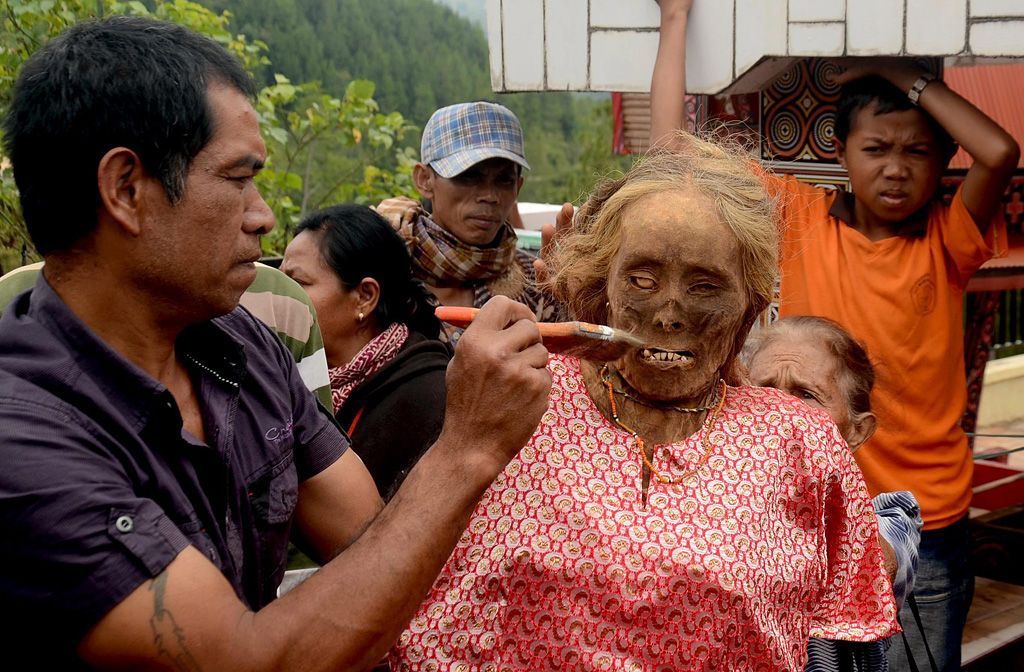
Madagascar is home to one of the world's most unique hidden cultural traditions known as Famadihana, often called the "Turning of the Bones." This centuries-old ceremony is practiced by some Malagasy communities as a way of honoring ancestors and maintaining strong family connections even after death.
Unlike many cultures that view death as a final separation, Famadihana celebrates the continuing relationship between the living and their ancestors. It is considered a joyful family gathering rather than a sad occasion.
Origins of the Tradition
Famadihana has deep roots in Malagasy beliefs a nd ancestral respect.
• Practiced for generations in various regions of Madagascar
• Based on the belief that ancestors continue to influence family life
• Strengthens family unity and cultural identity
• Honors loved ones who have passed away
The ceremony reflects the important role ancestors play in Malagasy culture.
How the Ceremony Takes Place
During Famadihana, families gather at ancestral tombs to honor their relatives.
• Tombs are carefully opened during the ceremony
• Ancestors' remains are respectfully rewrapped in fresh cloth
• Family members carry the remains while music is played
• Dancing, singing, and storytelling are common parts of the event
The atmosphere is often filled with celebration, remembrance, and gratitude.

Cultural Significance
Famadihana is much more than a ritual.
• Expresses respect and love for ancestors
• Reinforces family bonds across generations
• Preserves traditional beliefs and customs
• Strengthens community relationships
Many people believe the ceremony helps maintain harmony between the living and the dead.
Family and Community Connection
The event brings together relatives from different locations.
• Families reunite during the ceremony
• Elders share family history and traditions
• Younger generations learn about their ancestry
• Communities celebrate shared heritage
This helps keep cultural knowledge alive for future generations.
Famadihana in Modern Madagascar
Today, Famadihana continues to be practiced in many areas of Madagascar.
• Families continue to preserve the tradition
• Cultural tourism has increased interest in the ceremony
• Communities balance tradition with modern life
• The ritual remains an important cultural symbol
Despite changing times, ancestral respect remains central to Malagasy identity.
Conclusion
The Famadihana tradition in Madagascar is a remarkable example of ancestral respect and family unity. Through music, celebration, and remembrance, Malagasy communities maintain strong connections with their heritage and honor the generations that came before them. This unique cultural practice continues to be one of Madagascar's most fascinating traditions.