Ireland
3m
Jun 16, 2026
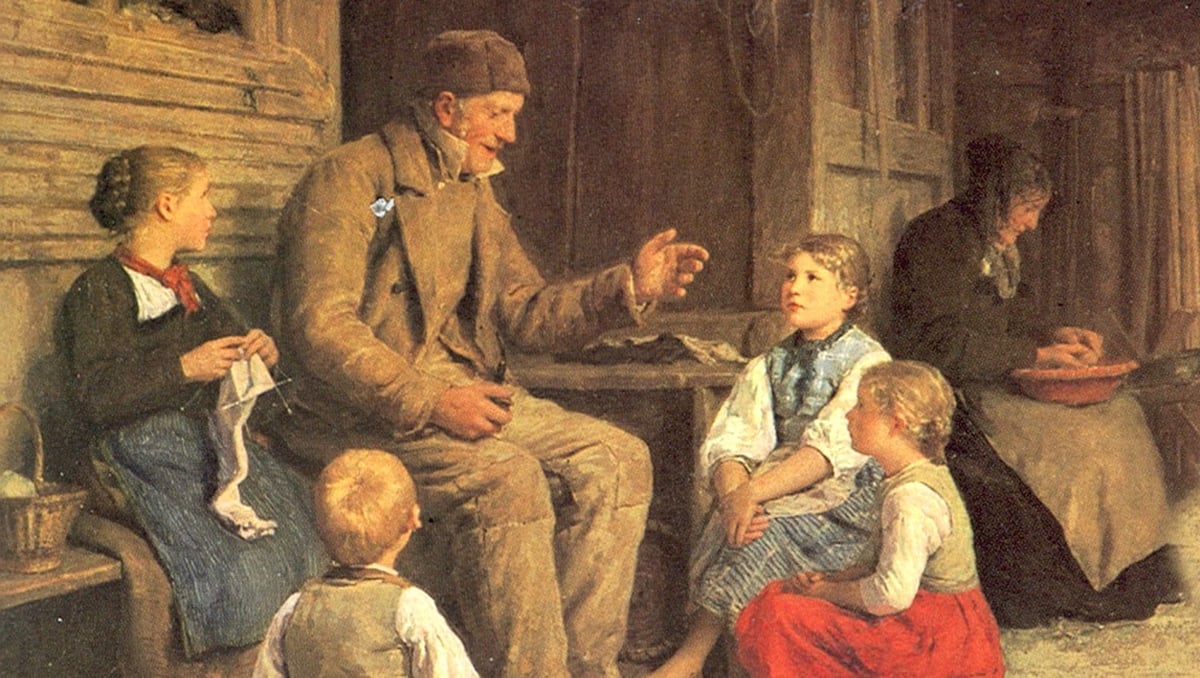
Ireland is known for the Seanchaí tradition, an ancient form of storytelling that preserved Irish history, folklore, and cultural values through spoken word. Seanchaís were respected storytellers who shared myths, legends, family histories, and life lessons with their communities. Their stories often featured Celtic heroes, fairies, supernatural beings, and historical events. Before books became common, they played a vital role in preserving Ireland's heritage and traditions. Today, storytelling festivals, cultural programs, and modern media continue to celebrate the Seanchaí tradition, ensuring that Ireland's rich folklore and oral history remain alive for future generations
Latvia
2m
Jun 16, 2026
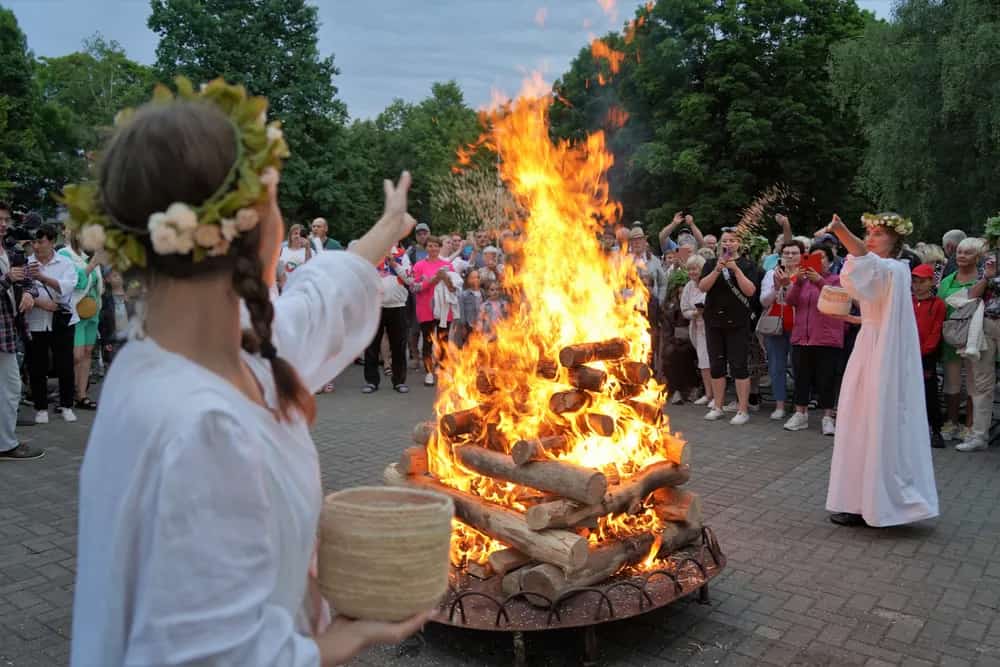
Latvia celebrates the ancient Midsummer festival known as Jāņi, a tradition centered around bonfires, nature, and the summer solstice. During the festival, people gather with family and friends to sing folk songs, wear flower crowns, dance, and stay awake until sunrise. Bonfires symbolize protection, purification, and prosperity, while many customs honor nature and seasonal change. The celebration has been passed down for generations and remains one of Latvia's most important cultural events. Today, Jāņi continues to unite communities and preserve Latvian heritage through joyful rituals, music, and a deep connection to nature.
Switzerland
3m
Jun 15, 2026
Word Summary
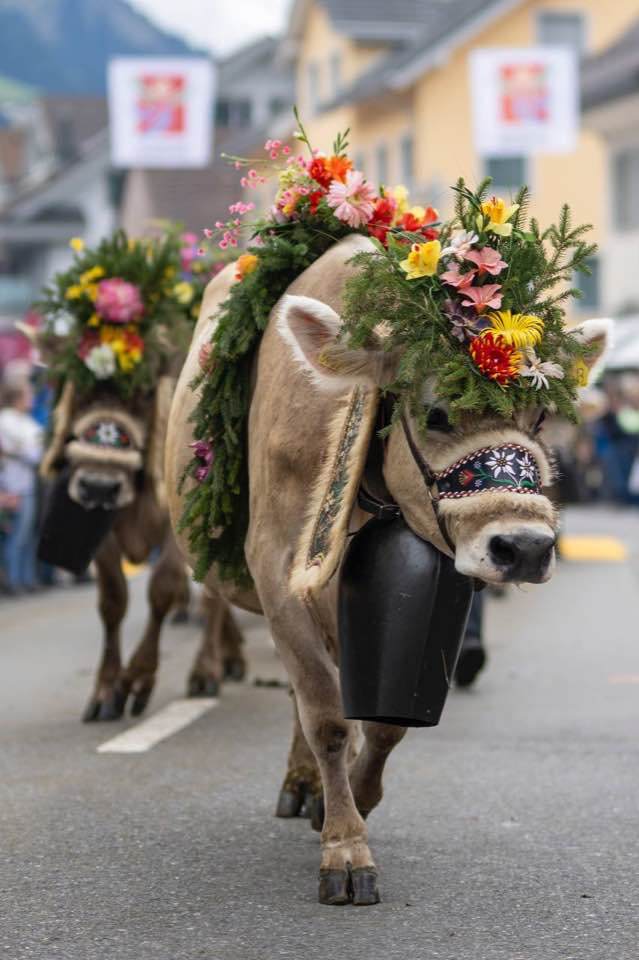
Switzerland is known for Alpabzug, a traditional Alpine festival that marks the return of cattle from mountain pastures to the valleys at the end of summer. During this centuries-old celebration, cows are decorated with flowers, ornaments, and large bells, while farmers wear traditional clothing. Villages host parades, music, and cultural events to honor their agricultural heritage. Alpabzug symbolizes the strong connection between Swiss communities, nature, and farming traditions. The festival continues to attract visitors from around the world and plays an important role in preserving Switzerland’s rural culture and Alpine identity.
Lithuania
2m
Jun 15, 2026
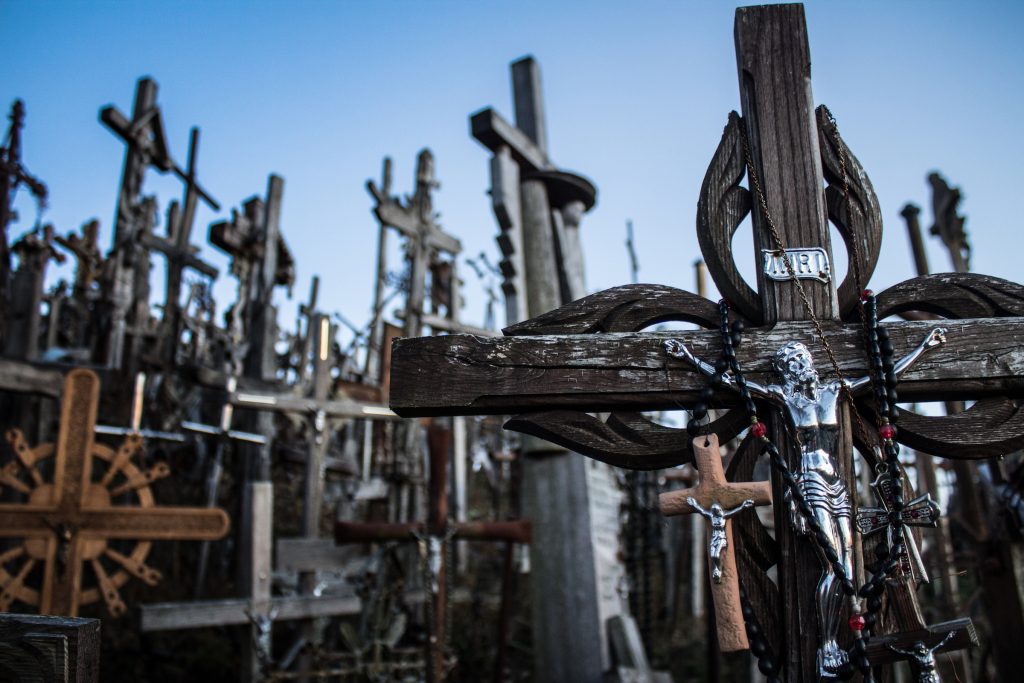
Lithuania is known for its unique Cross-Crafting Tradition, a centuries-old form of spiritual folk art. Skilled craftsmen create intricate wooden crosses decorated with religious and nature-inspired symbols. The tradition combines Christian beliefs with local cultural heritage and has been passed down through generations. These crosses are often placed in villages, roadsides, and sacred locations as symbols of faith, protection, and remembrance. Cross-crafting is an important part of Lithuanian identity and preserves traditional woodworking skills. Even today, the practice continues through cultural festivals and artisan workshops, keeping this remarkable heritage alive for future generations.
Mongolia
3m
Jun 14, 2026
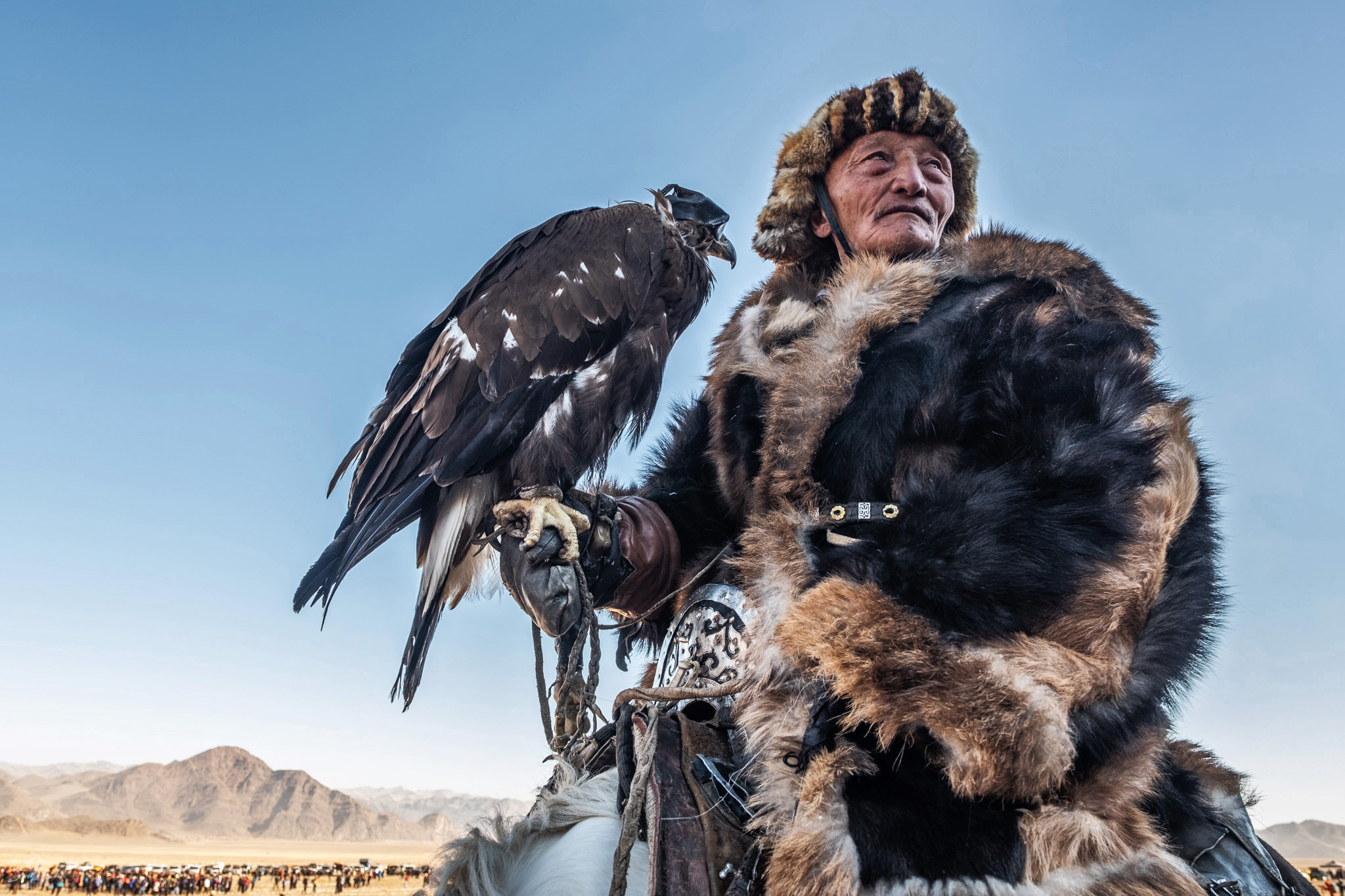
Mongolia is known for its ancient tradition of Eagle Hunting, a practice that has been preserved for centuries by nomadic communities, especially Kazakh hunters. In this tradition, hunters train golden eagles to help hunt animals in the mountainous regions of western Mongolia. Training an eagle requires patience, skill, and a strong bond between the hunter and the bird. Eagle hunting is more than a survival method; it is a symbol of cultural identity, courage, and respect for nature. Today, festivals and cultural events help preserve this unique heritage, making it one of Mongolia’s most fascinating and respected traditions.
Denmark
3m
May 09, 2026
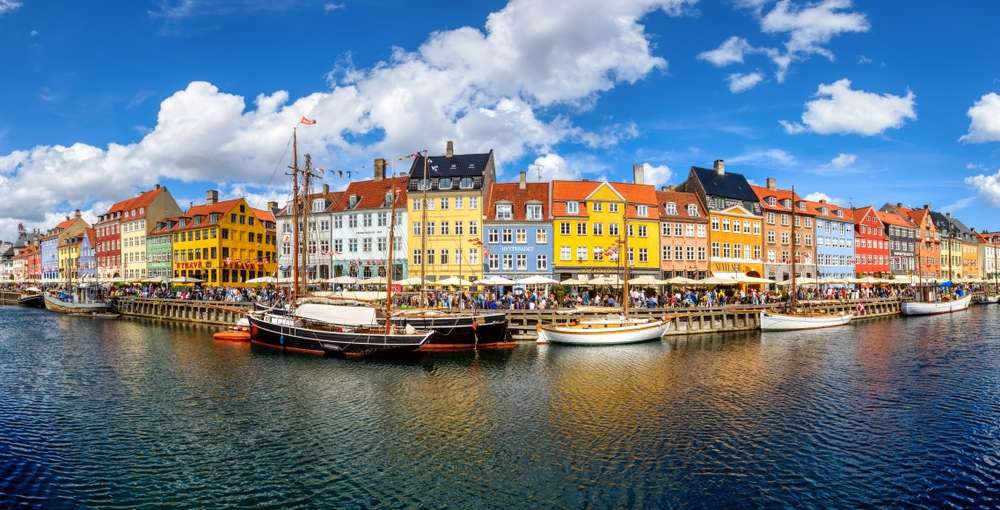
Denmark is known for the Hygge lifestyle, a cultural concept that focuses on cozy, peaceful, and simple living. Hygge is about enjoying small moments like spending time with family, drinking warm beverages, relaxing at home, and creating a comfortable atmosphere with soft lighting and calm surroundings. It helps people reduce stress and build happiness through emotional connection and balance. Especially during cold winters, hygge brings warmth and positivity into daily life. This lifestyle is a big reason why Denmark is considered one of the happiest countries in the world, promoting mental well-being and a slow, meaningful way of living.
United states of america
3m
Apr 05, 2026
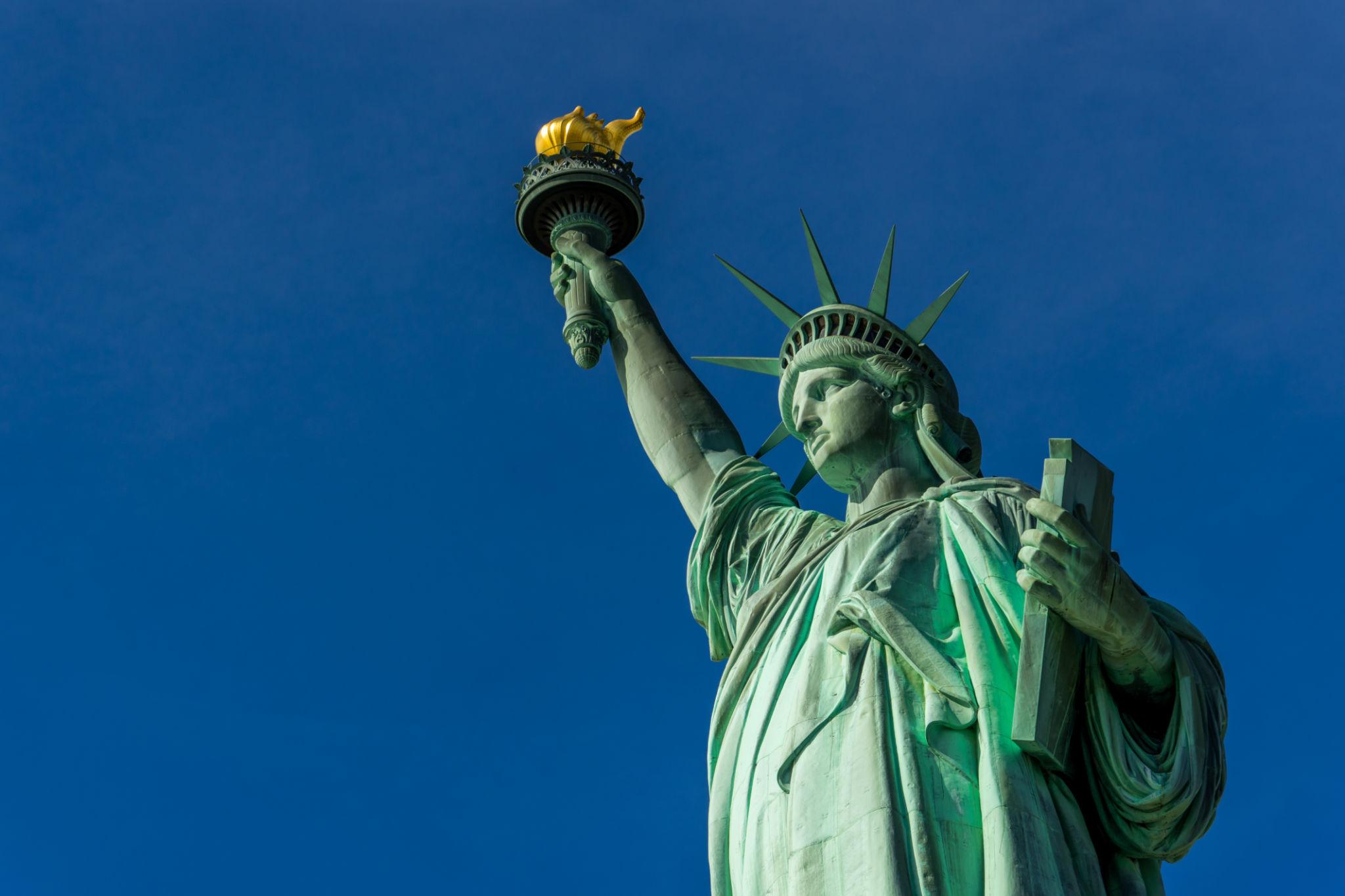
Explore the United States, a country known for its diversity, innovation, and global influence. Discover its culture, history, and the landmarks that make it one of the most powerful nations in the world.
Ghana
3m
Mar 23, 2026
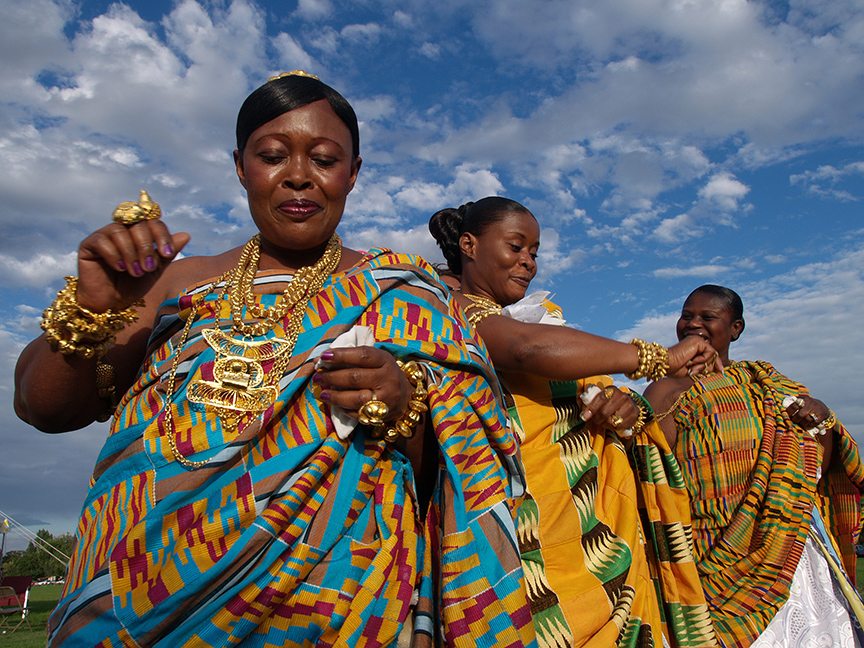
Kente cloth is one of the most iconic and meaningful traditional textiles from Ghana, known for its vibrant colors, intricate patterns, and deep cultural symbolism. Originally worn by royalty, Kente has evolved into a powerful representation of African identity, pride, and heritage. Each pattern and color in Kente tells a story, reflecting history, values, and beliefs. Today, it is worn during important ceremonies, festivals, and celebrations, making it a timeless symbol of tradition and cultural expression.
Sweden
3m
Mar 23, 2026
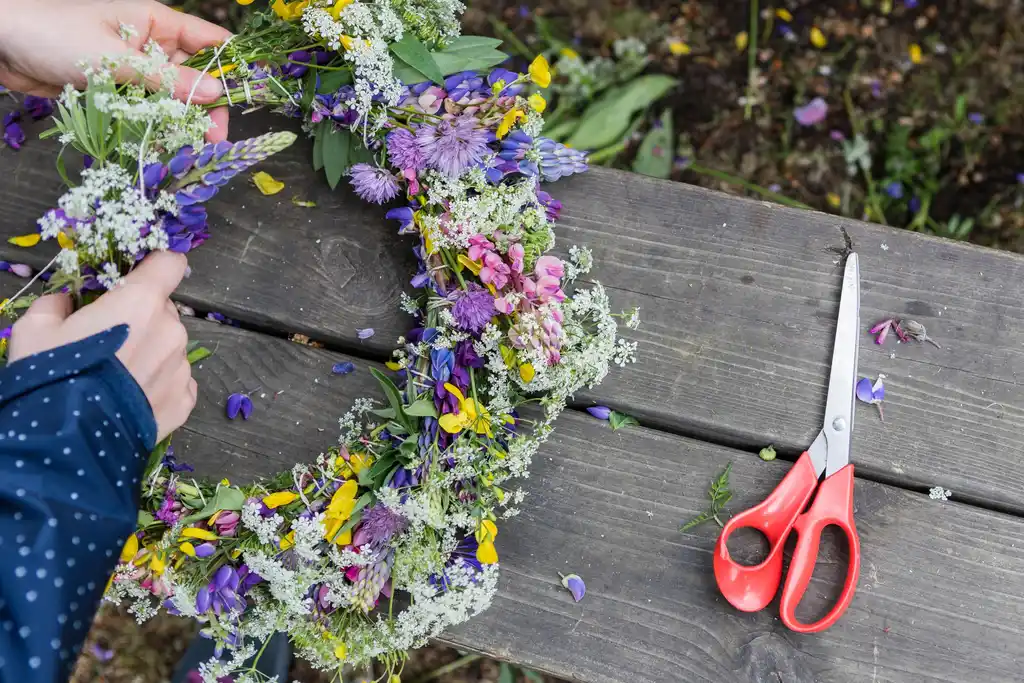
The Midsummer Festival is one of the most magical and widely celebrated traditions in Northern Europe, especially in Sweden and Finland. Celebrated during the longest days of the year, it marks the summer solstice when daylight lasts almost all night. This festival is deeply connected to nature, symbolizing fertility, happiness, and renewal. People gather with family and friends, dance around decorated poles, sing traditional songs, and enjoy seasonal food. Midsummer is not just a festival, but a joyful expression of life, light, and cultural heritage.
Finland
3m
Mar 23, 2026
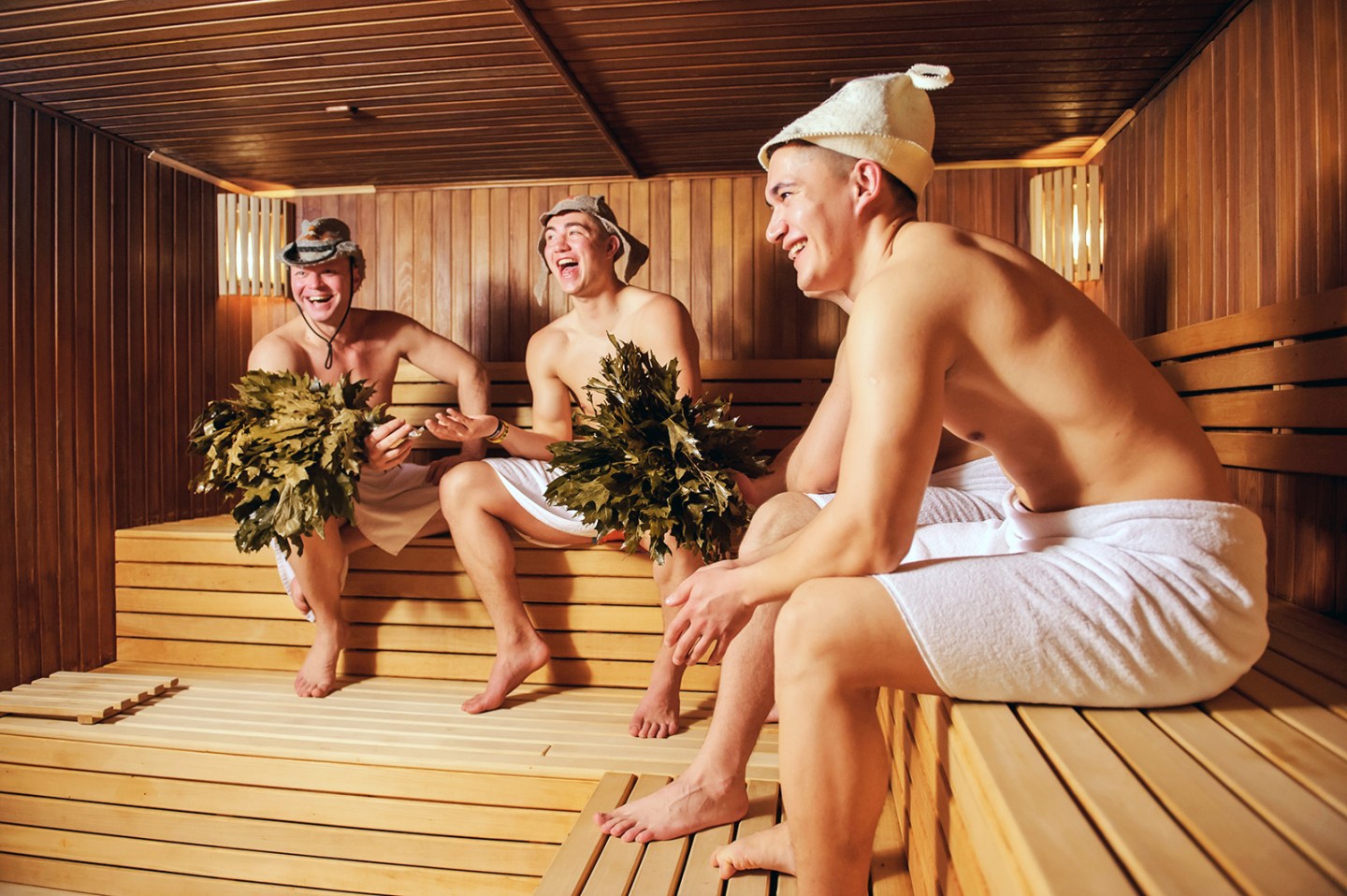
The sauna tradition of Finland is a timeless practice that combines relaxation, health, and cultural meaning. For centuries, Finnish people have used saunas not only for cleansing the body but also for calming the mind and connecting with nature. The process of heating stones, creating steam, and cooling down offers a unique wellness experience. Known for its health benefits like stress relief and improved circulation, sauna remains an essential part of daily life in Finland. Today, it stands as a global symbol of natural therapy, peaceful living, and traditional lifestyle.
South Korea
3m
Mar 19, 2026
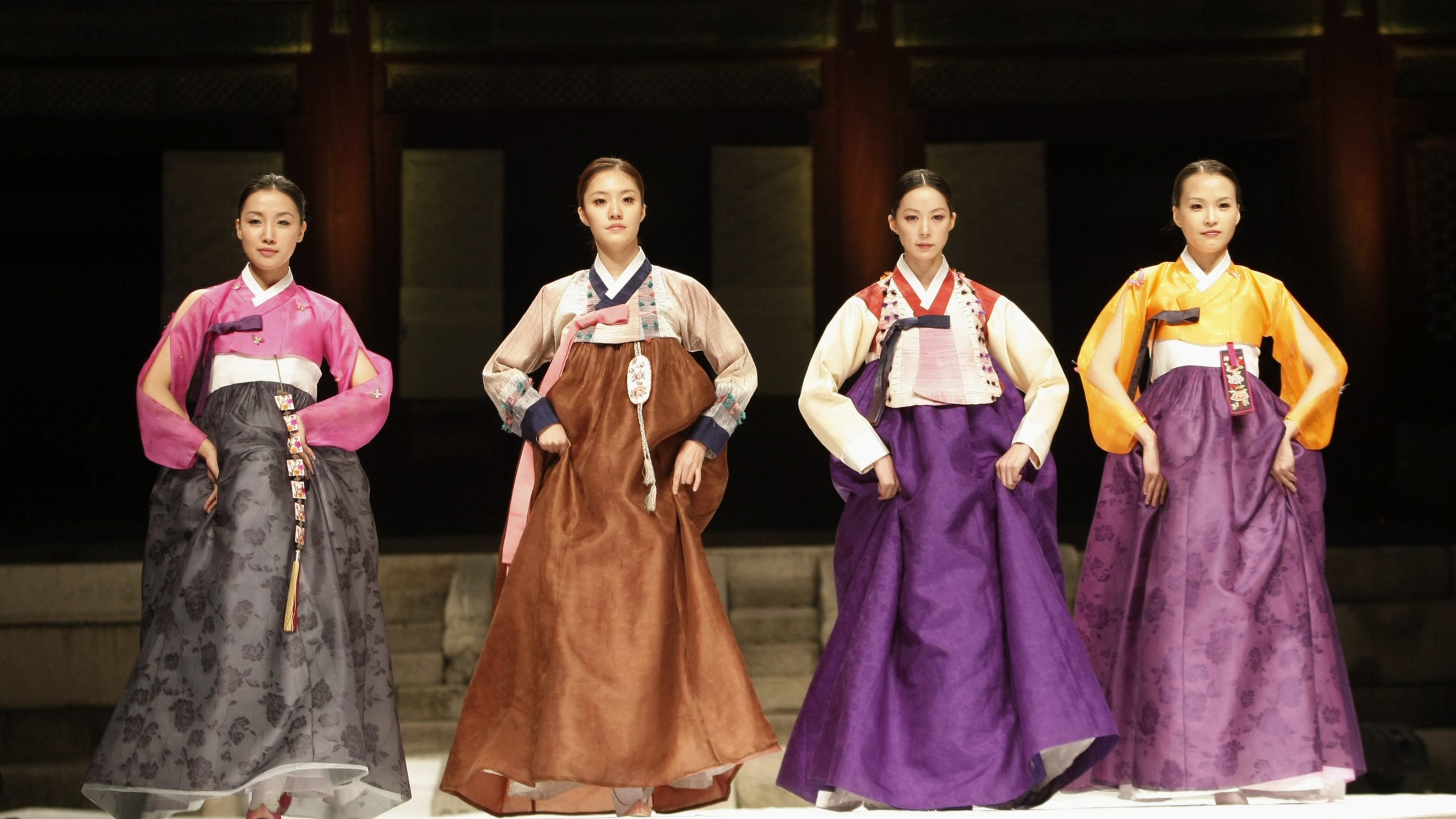
Hanbok is the traditional clothing of South Korea, known for its elegance, vibrant colors, and cultural meaning. Worn during festivals, ceremonies, and special occasions, Hanbok reflects Korean values of harmony, respect, and identity. Beyond its beauty, Hanbok is deeply connected to history, social status, and seasonal traditions. Today, it remains a proud symbol of Korean heritage, blending tradition with modern fashion. Understanding Hanbok is not just about clothing, but about experiencing the rich cultural identity of Korea.

Mauritius
3m
Mar 18, 2026
Sega Dance is a vibrant and rhythmic cultural expression deeply rooted in the islands of the Indian Ocean, especially in Mauritius. Known for its energetic movements, lively music, and emotional storytelling, Sega dance reflects the history, struggles, and joy of the people. Originating from enslaved communities, this dance form became a symbol of freedom, identity, and cultural pride. Today, Sega continues to thrive as a powerful representation of heritage, blending tradition with modern influences.