Kente Cloth – The Colorful Symbol of African Heritage and Identity
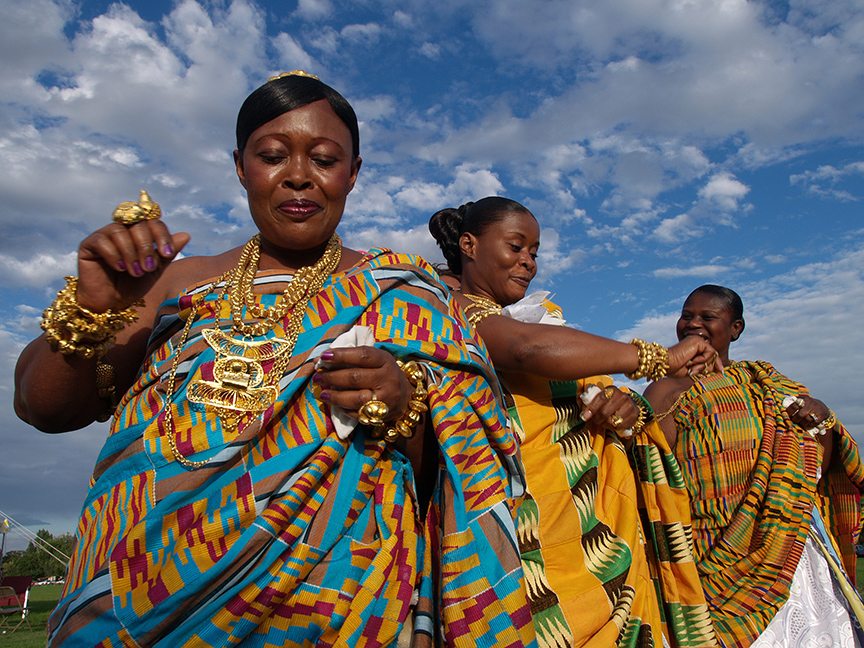
Origin and History of Kente Cloth
Kente cloth originated among the Akan people of Ghana, particularly the Ashanti Kingdom. According to tradition, Kente weaving was inspired by the patterns of a spider’s web, symbolizing creativity and wisdom.
Initially, Kente was reserved for kings and royal families, especially during important events and ceremonies. Over time, it became more widely used, but it still holds a strong connection to status, honor, and cultural pride.

How Kente Cloth is Made
Kente is handwoven using traditional techniques that have been passed down through generations.
Weaving process includes
• Using a narrow loom to create long strips of cloth
• Carefully interlacing threads to form patterns
• Sewing the strips together to create a larger fabric
• Designing patterns that carry symbolic meanings
This process requires skill, patience, and artistic vision.
Colors and Their Meanings
One of the most fascinating aspects of Kente cloth is its use of color symbolism.
Common color meanings include
• Gold represents wealth and royalty
• Blue symbolizes peace and harmony
• Green stands for growth and renewal
• Red represents strength and sacrifice
• Black symbolizes maturity and spiritual energy
Each cloth is unique, telling its own story through colors and patterns.
Patterns and Cultural Messages
Kente patterns are not random; they carry specific meanings and messages.
• Some patterns represent proverbs and wisdom
• Others reflect historical events or leadership
• Designs can symbolize unity, courage, or spirituality
• Each name given to a pattern has cultural significance
This makes Kente more than fabric; it is a visual language.

Cultural Importance of Kente Cloth
Kente cloth holds a special place in Ghanaian culture and beyond.
• Worn during weddings, festivals, and ceremonies
• Used to honor achievements and special occasions
• Represents African pride and identity
• Connects people to their heritage and traditions
It is a symbol of respect, dignity, and cultural expression.
Kente Cloth in Modern Times
Today, Kente cloth has gained global recognition. It is used in fashion, academic ceremonies, and cultural events around the world.
Designers incorporate Kente patterns into modern clothing, blending tradition with contemporary style. It has become a symbol of unity and pride for people of African descent worldwide.
Conclusion
Kente cloth is more than just a textile; it is a powerful symbol of culture, history, and identity. With its rich colors, meaningful patterns, and deep cultural roots, Kente continues to inspire and connect generations. From royal origins to global recognition, it remains a timeless representation of African heritage and artistic excellence.