Mongolia
3m
Jun 14, 2026
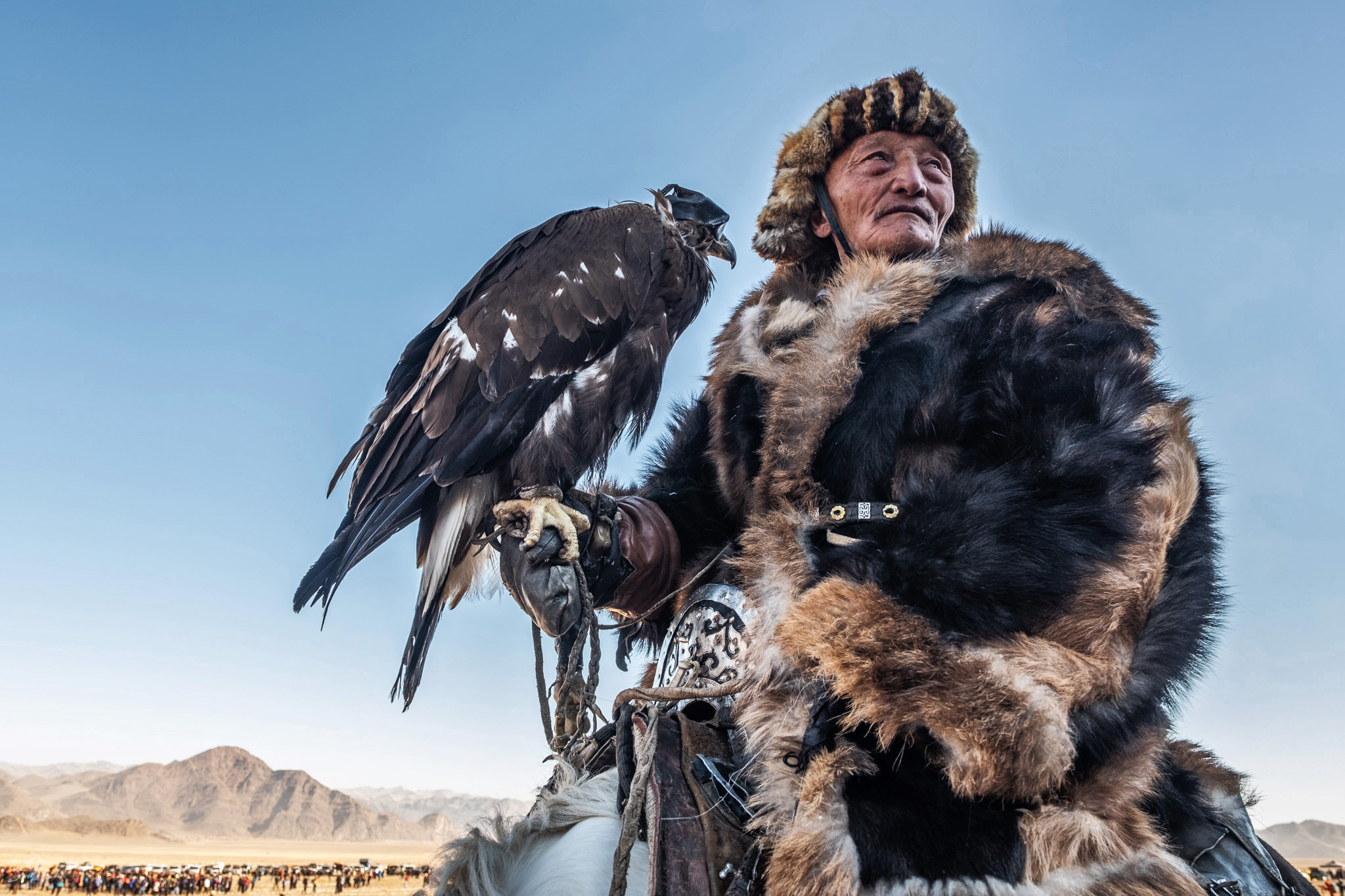
Mongolia is known for its ancient tradition of Eagle Hunting, a practice that has been preserved for centuries by nomadic communities, especially Kazakh hunters. In this tradition, hunters train golden eagles to help hunt animals in the mountainous regions of western Mongolia. Training an eagle requires patience, skill, and a strong bond between the hunter and the bird. Eagle hunting is more than a survival method; it is a symbol of cultural identity, courage, and respect for nature. Today, festivals and cultural events help preserve this unique heritage, making it one of Mongolia’s most fascinating and respected traditions.
Albania
3m
May 09, 2026
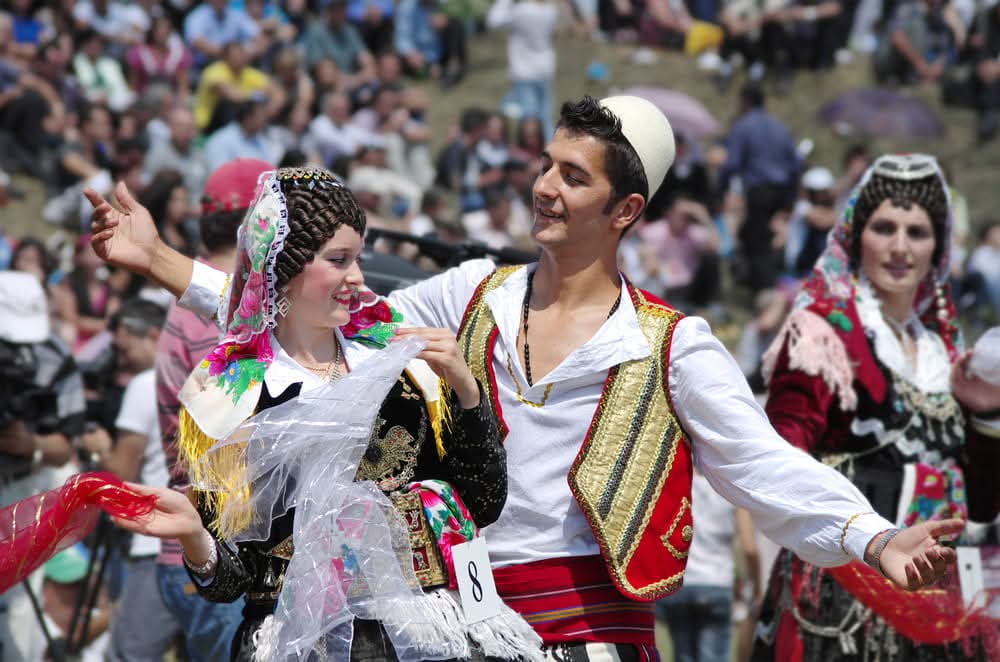
Albania is known for its strong cultural value called Besa, which means keeping a promise and living with honor. This tradition plays an important role in Albanian society, where trust, loyalty, and respect are highly valued. People follow Besa by honoring their word, helping others in need, and treating guests with great hospitality. Family bonds and community support are also very important. Even in modern times, this cultural code still influences daily life and behavior. Besa represents honesty, responsibility, and unity, making Albanian culture unique and deeply rooted in moral values and traditions passed through generations.
Greece
2m
May 01, 2026
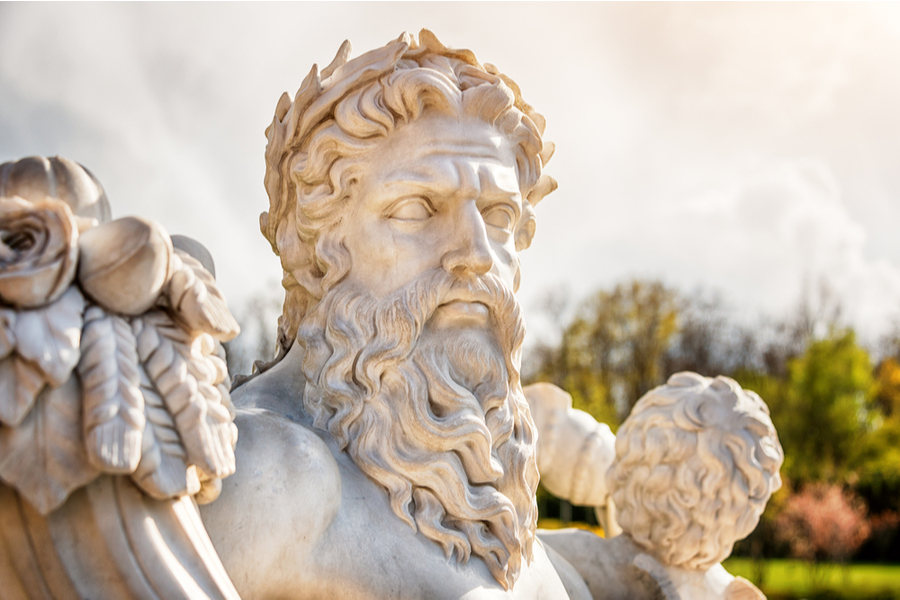
Greece has a rich cultural history shaped by ancient mythology. These myths explained natural events, human behavior, and life’s meaning through stories of powerful gods like Zeus and heroes. People believed gods controlled nature and fate, so they performed rituals and built temples. Mythology influenced daily life, art, and values in ancient Greece. Even today, these ancient beliefs continue to inspire modern culture, including literature, movies, and science. Greek mythology remains an important part of global heritage and shows how ancient traditions still impact the world today.
Egypt
3m
Apr 07, 2026
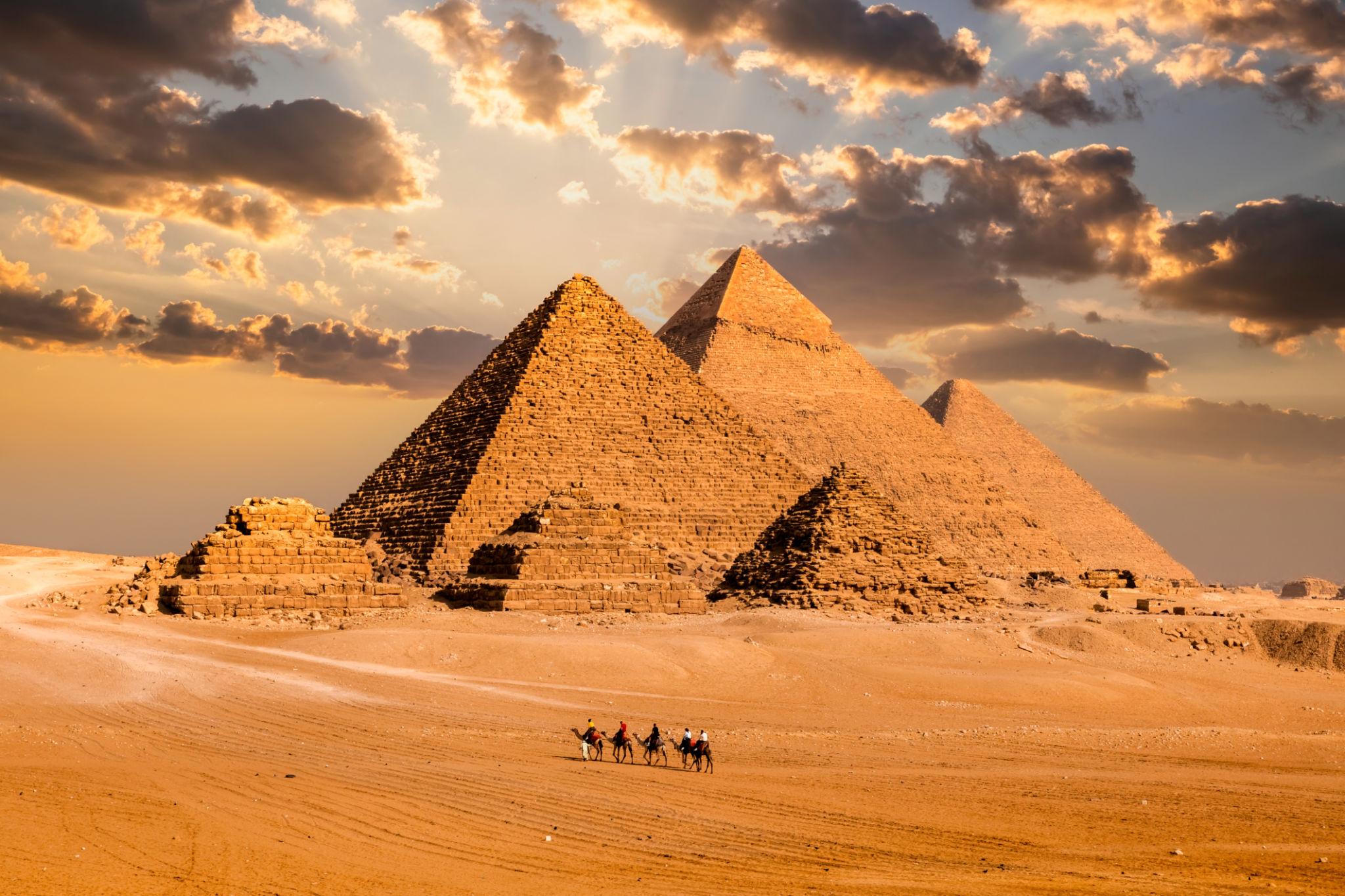
Explore the Pyramids of Egypt and uncover the cultural, religious, and historical secrets behind these ancient wonders. Discover how they reflect the beliefs and power of one of the world’s oldest civilizations.
Peru
4m
Mar 31, 2026
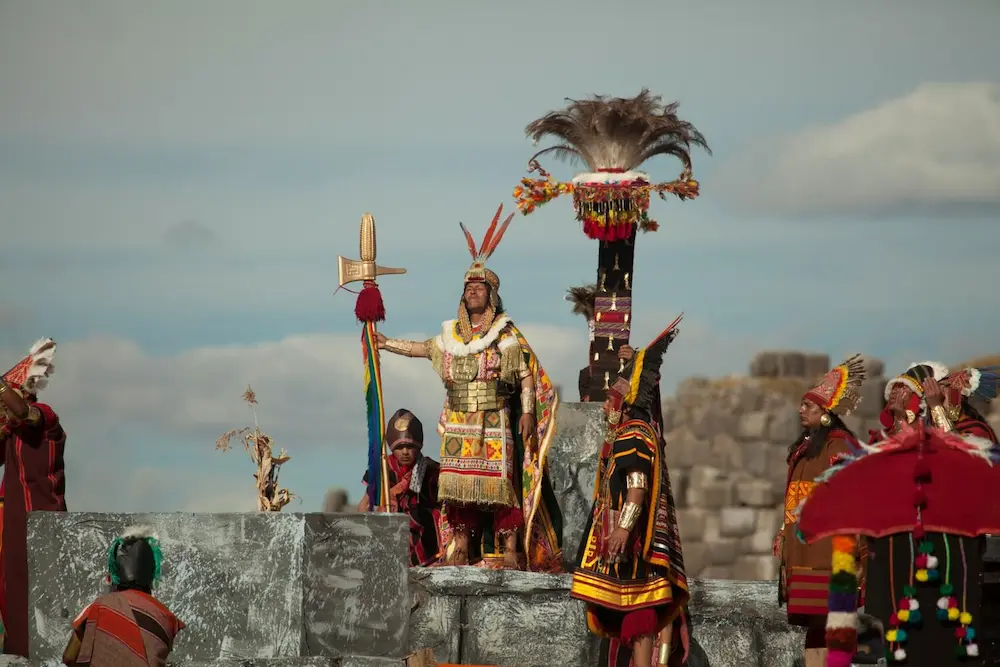
Inca heritage stands as one of the most remarkable ancient civilizations in the world, rooted in the heart of Peru. Known for their extraordinary engineering, deep spiritual beliefs, and strong connection to nature, the Incas built a powerful empire without modern tools or written language. Their legacy lives on through breathtaking sites like Machu Picchu, traditional farming practices, and cultural traditions that continue to influence Andean communities today. Inca heritage is not just history; it is a living story of resilience, intelligence, and harmony with nature.
Sweden
3m
Mar 23, 2026
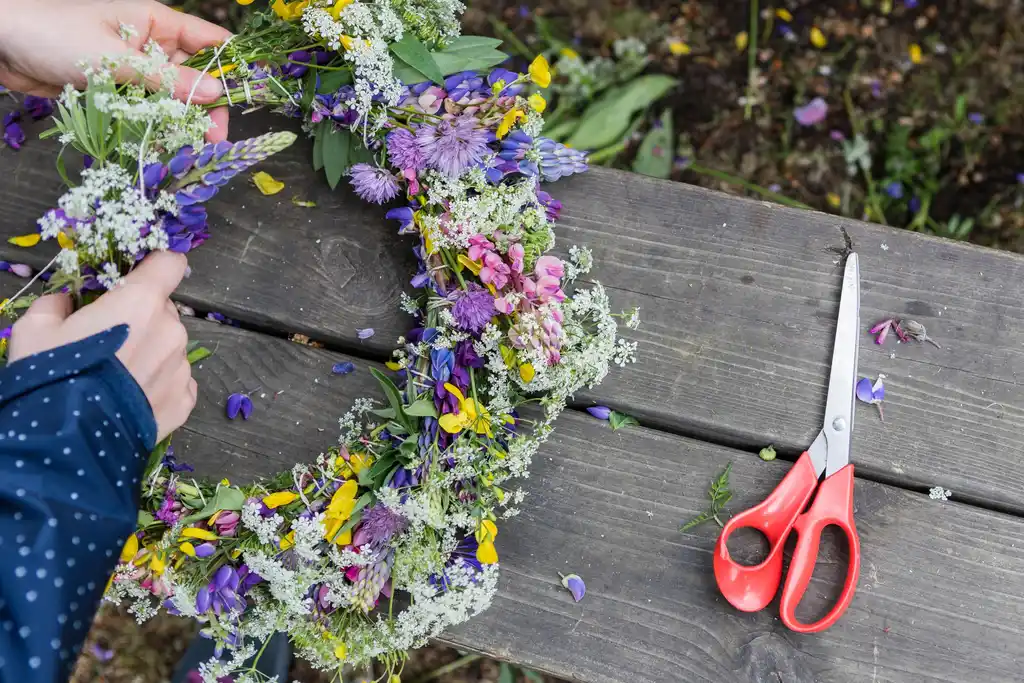
The Midsummer Festival is one of the most magical and widely celebrated traditions in Northern Europe, especially in Sweden and Finland. Celebrated during the longest days of the year, it marks the summer solstice when daylight lasts almost all night. This festival is deeply connected to nature, symbolizing fertility, happiness, and renewal. People gather with family and friends, dance around decorated poles, sing traditional songs, and enjoy seasonal food. Midsummer is not just a festival, but a joyful expression of life, light, and cultural heritage.

Finland
3m
Mar 23, 2026
The sauna tradition of Finland is a timeless practice that combines relaxation, health, and cultural meaning. For centuries, Finnish people have used saunas not only for cleansing the body but also for calming the mind and connecting with nature. The process of heating stones, creating steam, and cooling down offers a unique wellness experience. Known for its health benefits like stress relief and improved circulation, sauna remains an essential part of daily life in Finland. Today, it stands as a global symbol of natural therapy, peaceful living, and traditional lifestyle.
Myanmar
4m
Mar 22, 2026
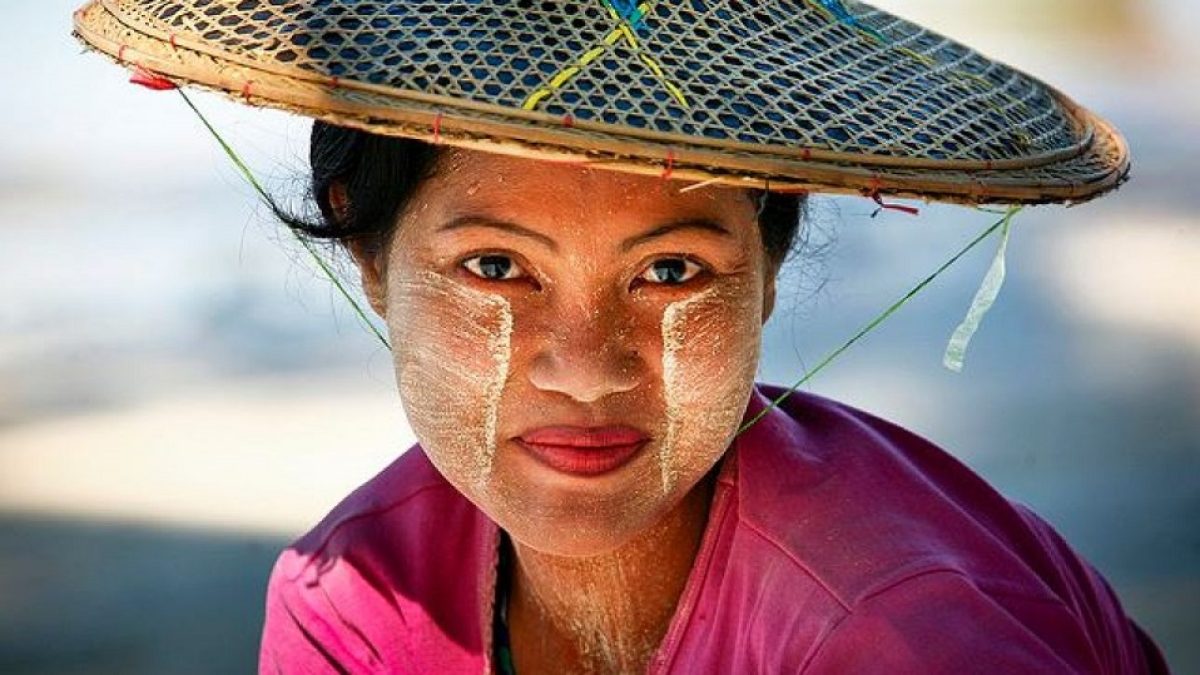
Thanaka face art is one of the most distinctive and ancient cultural traditions of Myanmar. Recognized by its pale yellow color and unique facial patterns, Thanaka is widely used as a natural skincare product and a symbol of cultural identity. Made from the bark of the Thanaka tree, this paste has been part of Burmese daily life for over 2,000 years. It serves not only as a cosmetic but also as protection from the sun, a cooling agent, and a form of artistic expression. From children to elders, Thanaka connects generations and continues to represent tradition, beauty, and simplicity in Myanmar.
India
3m
Mar 21, 2026
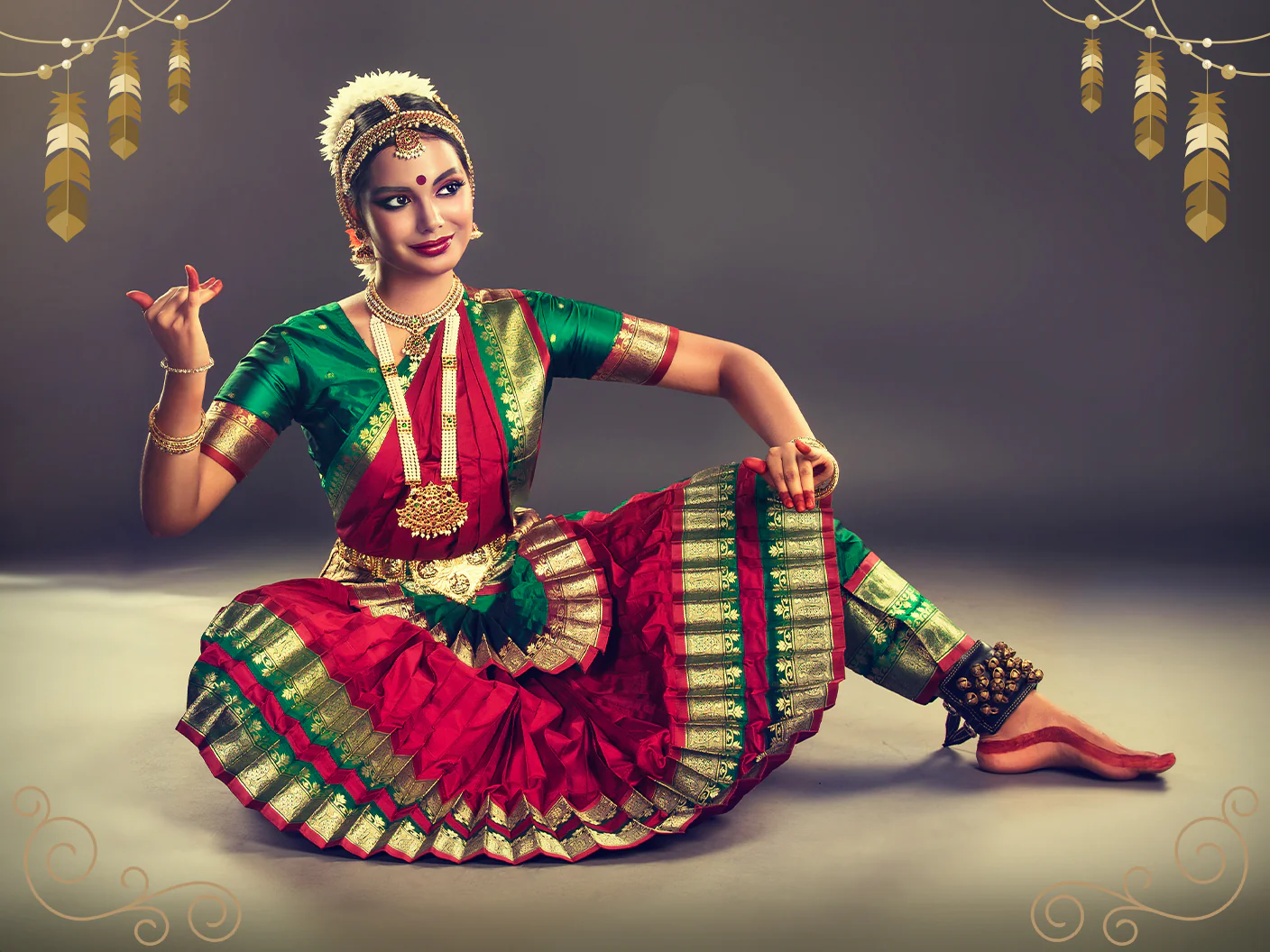
Classical dances of India are among the oldest and most expressive art forms in the world, with Bharatanatyam standing out as one of the most graceful and iconic styles. Originating from the temples of Tamil Nadu, Bharatanatyam combines rhythm, expression, and storytelling to create a powerful cultural experience. These dances are not just performances but spiritual and artistic expressions that reflect history, devotion, and tradition. Today, Bharatanatyam continues to inspire audiences globally while preserving India’s rich cultural heritage.
Papua New Guinea
3m
Mar 18, 2026
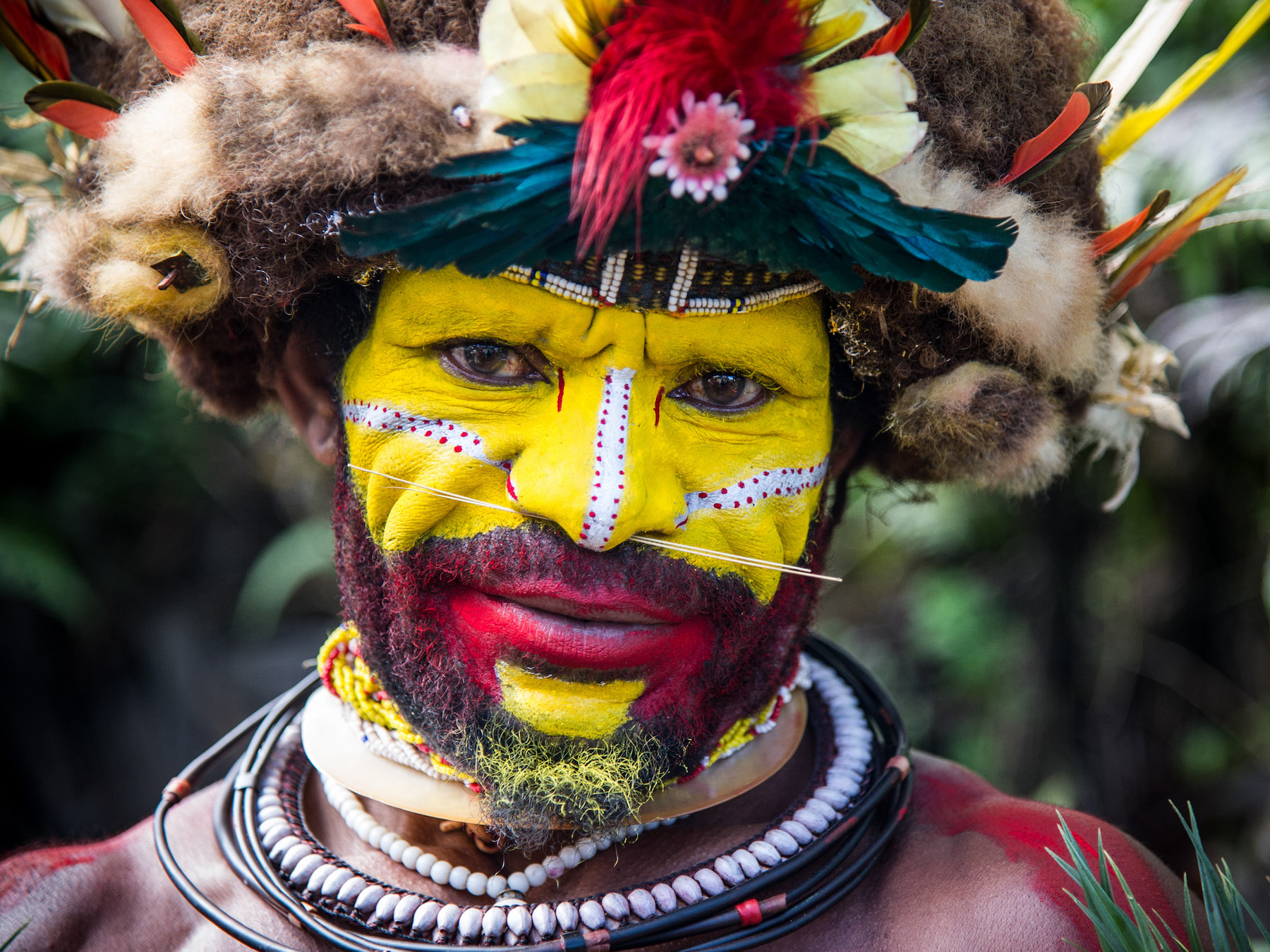
Tribal face painting in Papua New Guinea is a striking and meaningful cultural practice that reflects identity, status, and spiritual beliefs. Known for its bold colors and intricate patterns, this tradition is commonly seen during festivals, rituals, and ceremonies. Each design tells a story, representing ancestry, tribal affiliation, and connection to nature. Far beyond decoration, face painting in Papua New Guinea is a living expression of heritage, pride, and cultural continuity

China
3m
Mar 17, 2026
Dumplings are one of the oldest and most beloved foods in the world, found across many cultures with unique variations and flavors. From Chinese dumplings (jiaozi) to Japanese gyoza, Korean mandu, and European pierogi, dumplings represent comfort, tradition, and cultural identity. These small pockets of dough filled with meat, vegetables, or sweets have evolved over centuries, becoming an essential part of festivals, family gatherings, and everyday meals. Dumplings are more than just food; they are a symbol of heritage, unity, and culinary creativity across the globe.

India
3m
Mar 17, 2026
Theyyam is one of the most fascinating and ancient ritual art forms of Kerala, deeply rooted in spirituality, folklore, and tradition. Known as a “living god performance,” Theyyam transforms performers into divine figures through elaborate costumes, vibrant makeup, and intense rituals. Celebrated mainly in North Kerala, this cultural tradition reflects devotion, mythology, and community beliefs. Theyyam is not just a performance but a sacred experience where art, religion, and history merge, making it one of India’s most unique cultural expressions.