Inca Heritage – The Lost Empire of the Andes and Its Timeless Legacy
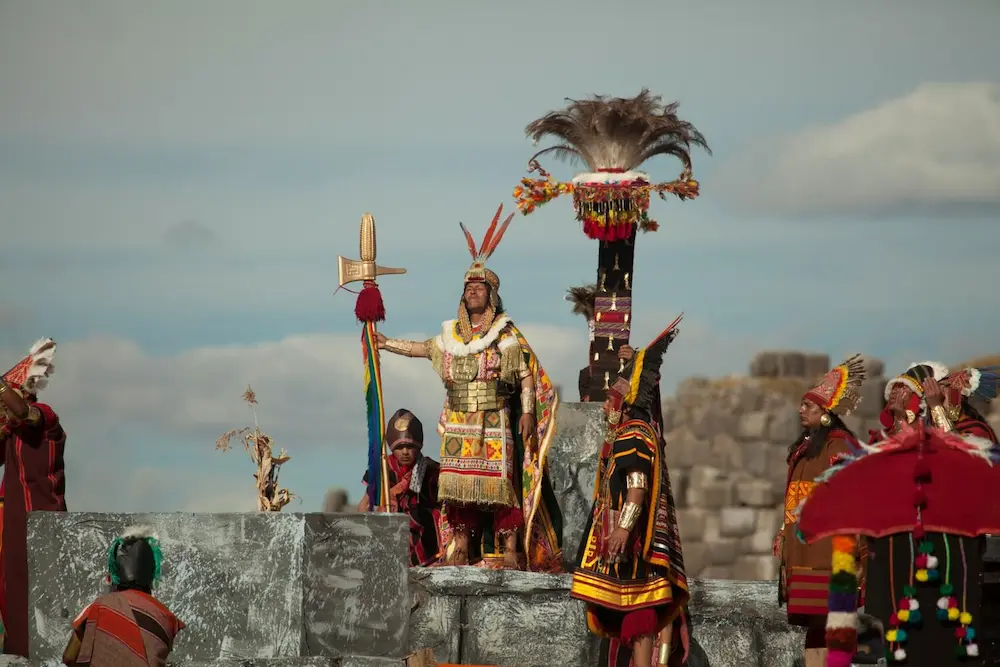
The Rise of the Inca Civilization
The Inca civilization began in the early 1200s in the Andean highlands. Starting as a small tribe in Cusco, they gradually expanded their territory through strategic alliances, military strength, and intelligent governance.
At its peak, the Inca Empire, known as Tawantinsuyu, stretched across large parts of South America, including modern-day Peru, Ecuador, Bolivia, Chile, and Argentina. It became the largest empire in the Americas before European contact.
The Incas developed a centralized system of administration, where the emperor, known as the Sapa Inca, was considered both a political leader and a divine figure.
Advanced Architecture and Engineering Marvels
One of the most impressive aspects of Inca heritage is their architectural brilliance. Without the use of iron tools, wheels, or mortar, they built structures that have lasted for centuries.

Key achievements include
• Precisely cut stones that fit together without gaps
• Earthquake-resistant buildings
• Complex cities built on mountains
• Thousands of kilometers of road networks
The most iconic example is Machu Picchu, often called the “Lost City of the Incas.” This site showcases their ability to blend architecture with nature, creating a city that feels both natural and engineered.
Inca Road System and Communication
The Incas built one of the most advanced road systems of the ancient world.
• Over 40,000 kilometers of roads across mountains and valleys
• Rope bridges connecting difficult terrains
• Messengers called Chasquis who carried messages quickly
• Use of Quipu (knotted strings) for record-keeping
This network helped maintain control and communication across their vast empire.
Agriculture and Sustainable Living
Living in mountainous regions, the Incas developed innovative farming techniques.

Agricultural practices include
• Terrace farming to prevent soil erosion
• Advanced irrigation systems
• Cultivation of crops like potatoes, maize, and quinoa
• Storage systems to preserve food
Their farming methods were highly sustainable and adapted perfectly to their environment.
Religion, Spirituality and Beliefs
Religion was deeply integrated into everyday life. The Incas believed in a world filled with spiritual energy.
• Worshipped Inti, the sun god
• Considered the emperor as a descendant of the sun
• Honored Pachamama, the earth goddess
• Performed rituals and offerings to maintain balance with nature
Temples and sacred sites were built across the empire, showing their deep respect for natural forces.
Daily Life and Social Structure
Inca society was highly organized and community-based.
• People lived in groups called ayllu
• Work was shared among the community
• There was no concept of money; resources were distributed equally
• Education and skills were passed through generations
This system ensured stability and unity within the empire.
Art, Culture and Traditions
Inca culture was rich in artistic expression and traditions.
• Created textiles with complex patterns and meanings
• Produced pottery and metalwork
• Used music and dance in ceremonies
• Relied on oral storytelling instead of written language
Their art reflected their beliefs, environment, and social values.
The Fall of the Inca Empire
The Inca Empire declined in the 16th century with the arrival of Spanish conquistadors led by Francisco Pizarro.
Factors that led to the fall include
• Internal conflicts and civil war
• Spread of European diseases
• Superior weapons of the Spanish
• Capture of the emperor Atahualpa
Despite the fall, the cultural legacy of the Incas survived.
Inca Heritage in the Modern World
Today, Inca heritage continues to influence life in the Andes.
• Indigenous communities preserve traditions and languages
• Festivals and rituals reflect ancient beliefs
• Tourists visit historical sites like Machu Picchu
• Traditional farming and crafts are still practiced
Inca culture remains alive, blending ancient traditions with modern life.
Why Inca Heritage Still Matters Today
Inca heritage offers valuable lessons for the modern world.
• Sustainable living and respect for nature
• Strong community values
• Innovation without advanced technology
• Cultural identity and pride
It reminds us that progress can exist in harmony with nature.
Conclusion
Inca heritage is a powerful symbol of human achievement, resilience, and wisdom. From their breathtaking architecture to their deep spiritual beliefs, the Incas created a civilization that continues to inspire the world. Even after centuries, their legacy lives on in the mountains, traditions, and people of South America. It is not just a story of the past, but a living culture that continues to shape the present and future.