Morocco
3m
Jun 15, 2026
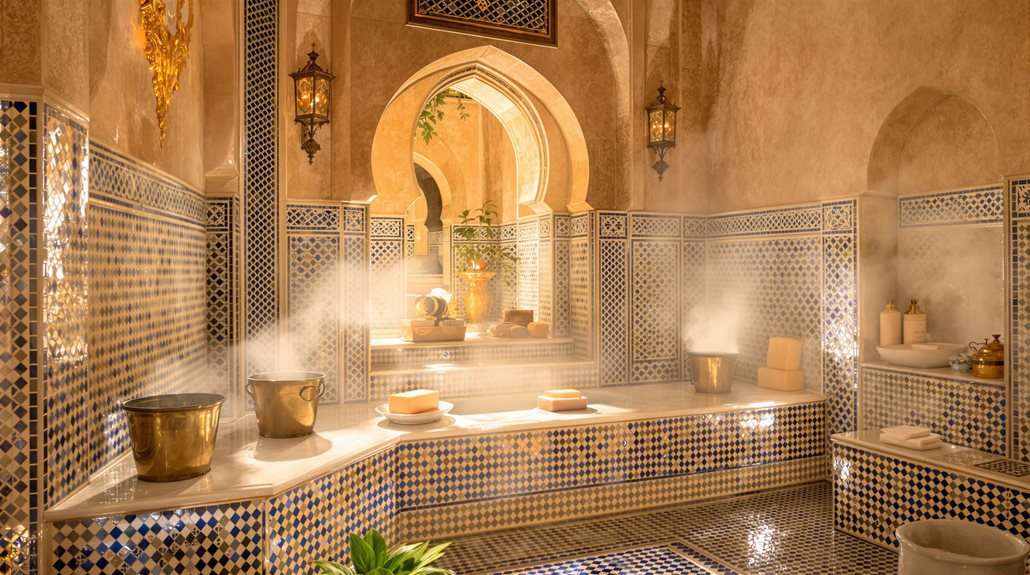
Morocco is famous for its mint tea culture, a tradition that symbolizes hospitality, friendship, and respect. Moroccan mint tea is made using green tea, fresh mint leaves, and sugar, and is served during family gatherings, celebrations, and social visits. The tea ceremony is an important cultural practice where tea is carefully prepared and poured from a height to create foam. Offering tea is considered a sign of generosity and welcome. Even today, mint tea remains a central part of Moroccan daily life, helping people connect, build relationships, and preserve their rich cultural heritage.
Madagascar
3m
Jun 15, 2026
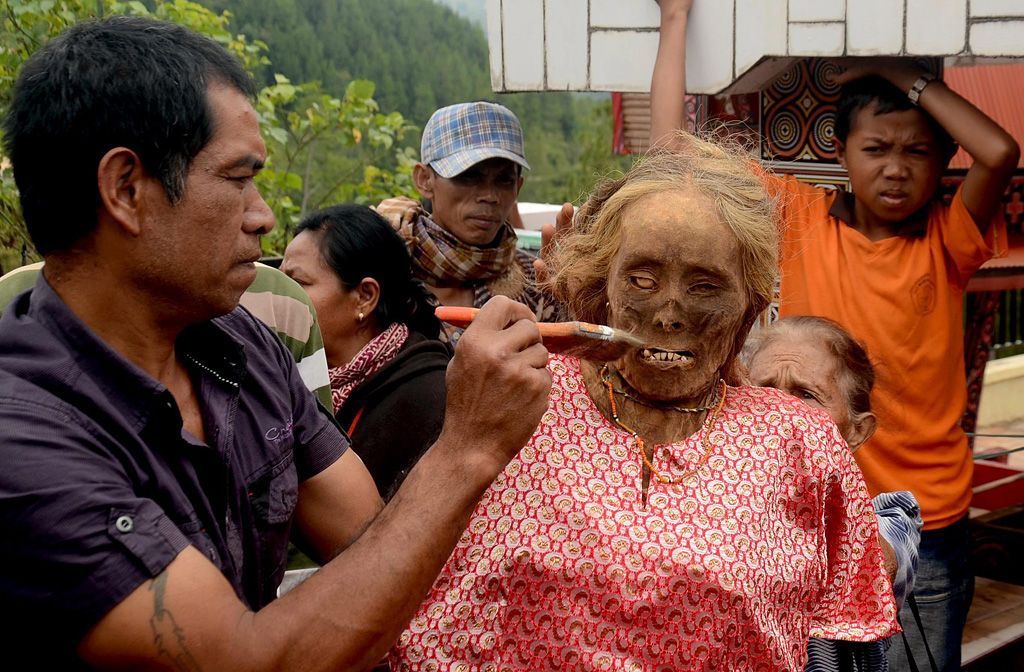
Madagascar is known for the unique Famadihana tradition, also called the "Turning of the Bones." This ancestral ceremony involves families gathering to honor deceased relatives by respectfully rewrapping their remains in fresh cloth and celebrating with music, dancing, and storytelling. The tradition reflects the belief that ancestors continue to play an important role in family life. Famadihana strengthens family bonds, preserves cultural heritage, and connects younger generations with their ancestry. Even today, the ceremony remains a significant part of Malagasy culture and symbolizes respect, remembrance, and the enduring relationship between the living and their ancestors.
Switzerland
3m
Jun 15, 2026
Word Summary
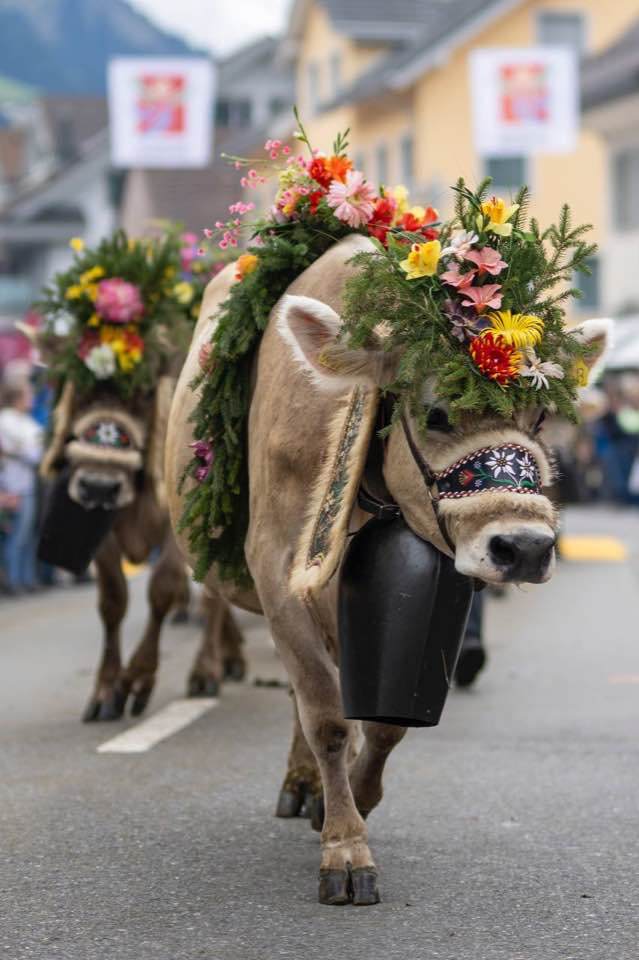
Switzerland is known for Alpabzug, a traditional Alpine festival that marks the return of cattle from mountain pastures to the valleys at the end of summer. During this centuries-old celebration, cows are decorated with flowers, ornaments, and large bells, while farmers wear traditional clothing. Villages host parades, music, and cultural events to honor their agricultural heritage. Alpabzug symbolizes the strong connection between Swiss communities, nature, and farming traditions. The festival continues to attract visitors from around the world and plays an important role in preserving Switzerland’s rural culture and Alpine identity.
Turkey
3m
Jun 15, 2026
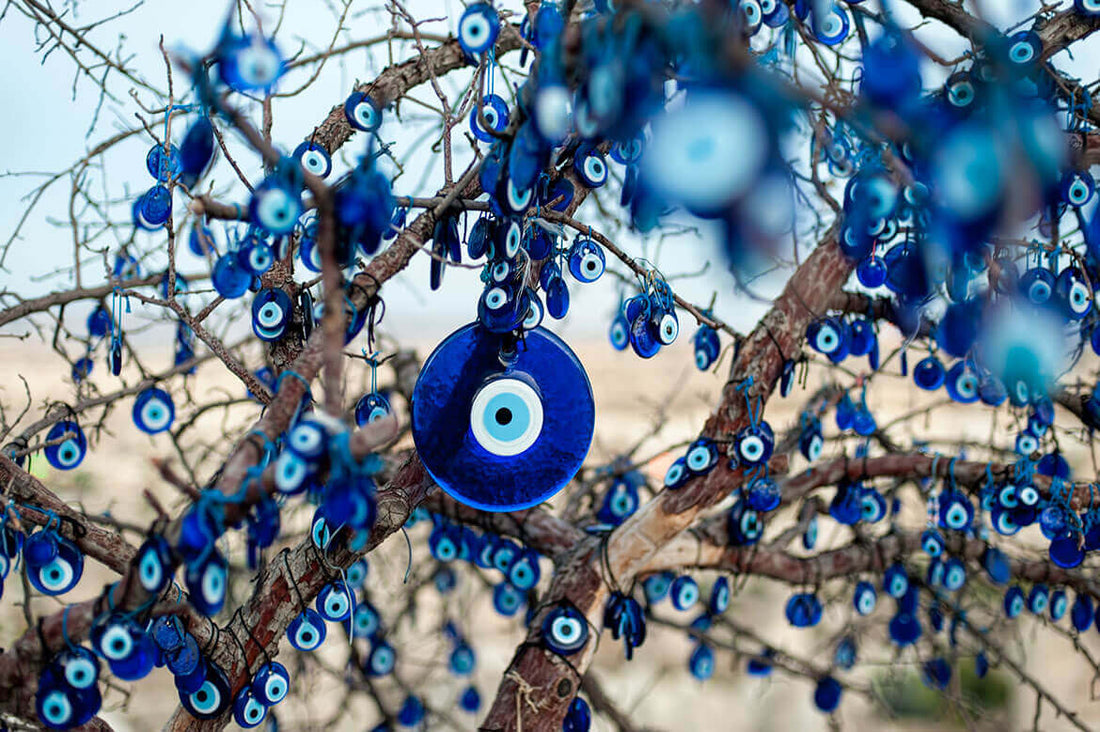
Turkey is famous for its Evil Eye Tradition, known as Nazar, a cultural belief that envy or jealousy can bring bad luck and negative energy. To protect against this, people use the Nazar Boncuğu, a blue eye-shaped amulet believed to deflect harmful influences. The symbol is commonly worn as jewelry, displayed in homes, businesses, and vehicles, and given as a gift during important occasions. Deeply rooted in Turkish culture, the tradition has been passed down for generations. Even today, the Evil Eye remains one of Turkey’s most recognizable symbols, representing protection, good fortune, and cultural heritage.
Lithuania
2m
Jun 15, 2026
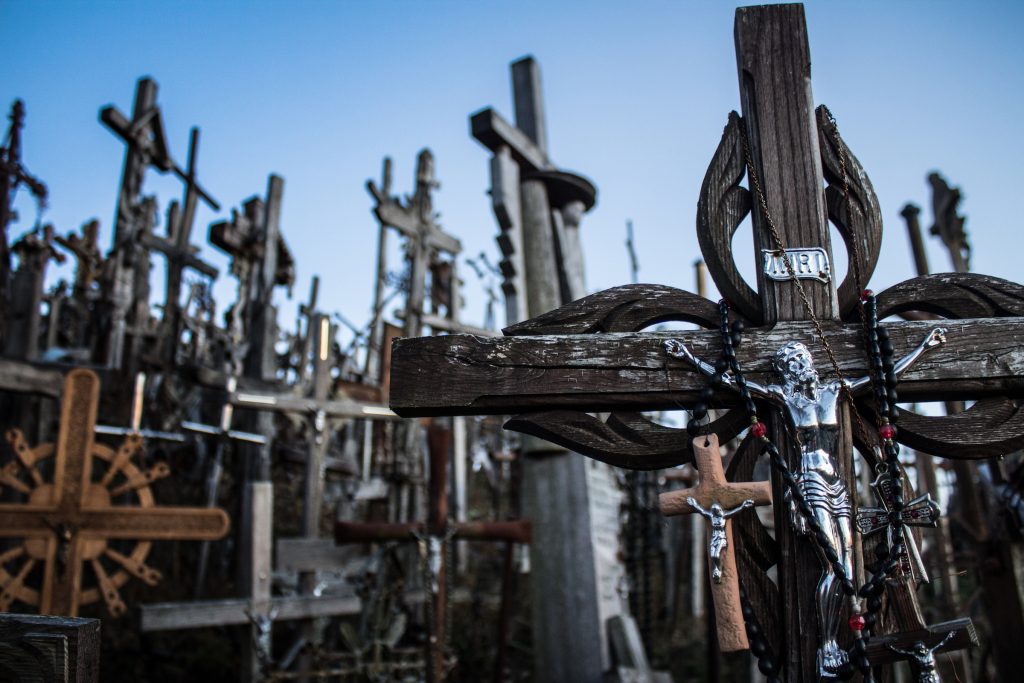
Lithuania is known for its unique Cross-Crafting Tradition, a centuries-old form of spiritual folk art. Skilled craftsmen create intricate wooden crosses decorated with religious and nature-inspired symbols. The tradition combines Christian beliefs with local cultural heritage and has been passed down through generations. These crosses are often placed in villages, roadsides, and sacred locations as symbols of faith, protection, and remembrance. Cross-crafting is an important part of Lithuanian identity and preserves traditional woodworking skills. Even today, the practice continues through cultural festivals and artisan workshops, keeping this remarkable heritage alive for future generations.
Mongolia
3m
Jun 14, 2026
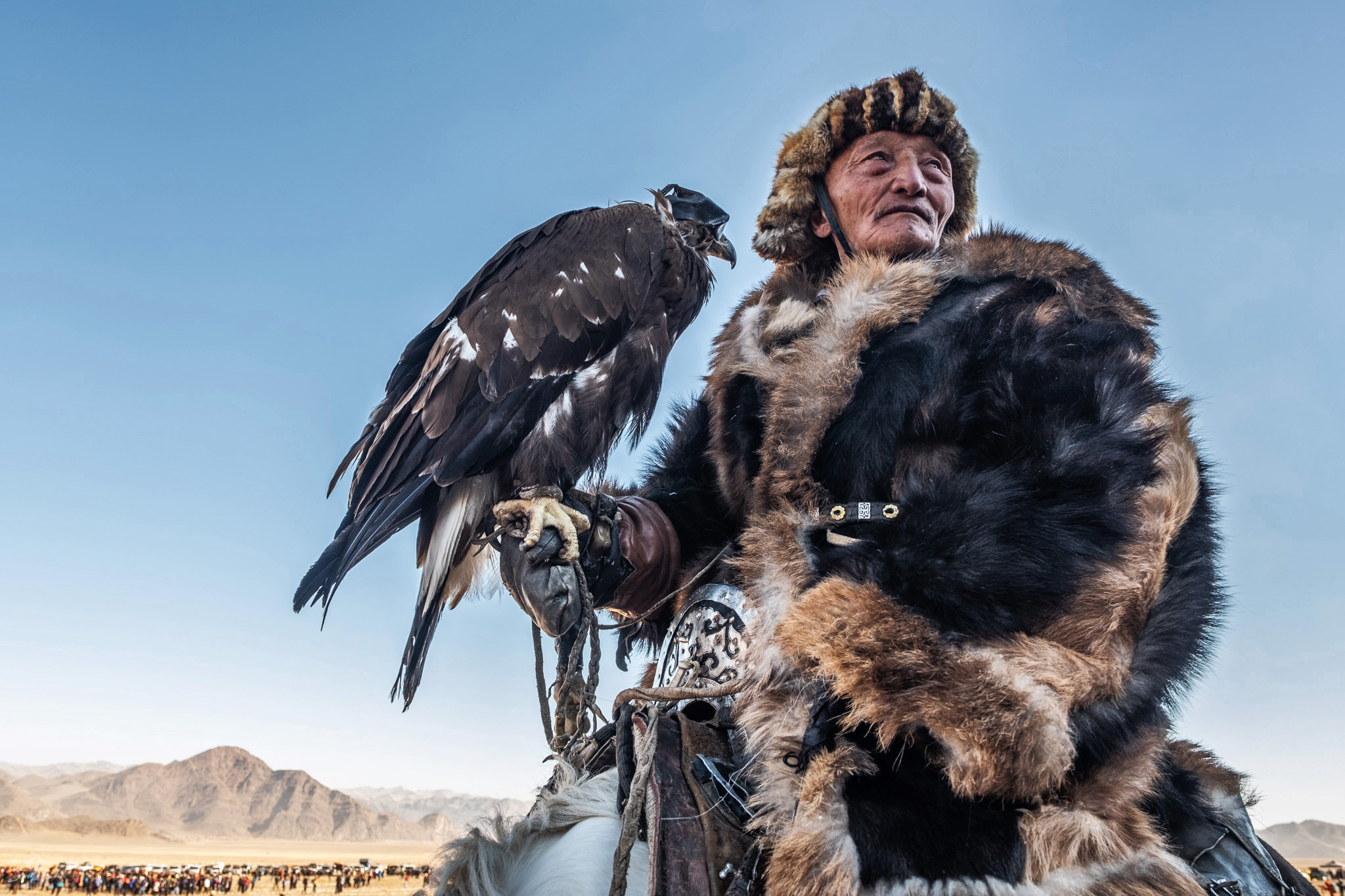
Mongolia is known for its ancient tradition of Eagle Hunting, a practice that has been preserved for centuries by nomadic communities, especially Kazakh hunters. In this tradition, hunters train golden eagles to help hunt animals in the mountainous regions of western Mongolia. Training an eagle requires patience, skill, and a strong bond between the hunter and the bird. Eagle hunting is more than a survival method; it is a symbol of cultural identity, courage, and respect for nature. Today, festivals and cultural events help preserve this unique heritage, making it one of Mongolia’s most fascinating and respected traditions.
Albania
3m
May 09, 2026
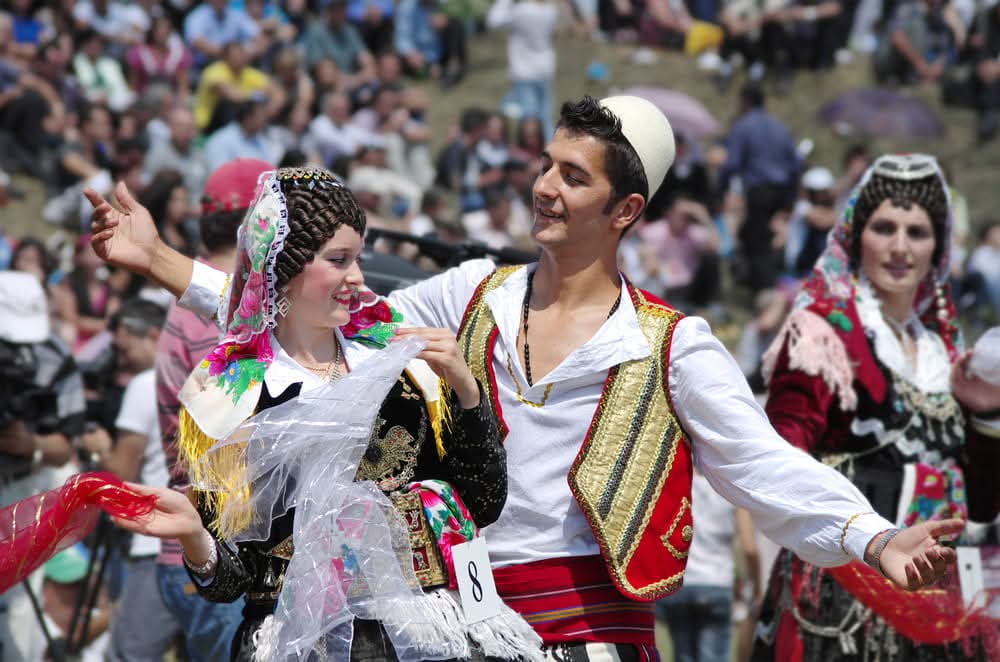
Albania is known for its strong cultural value called Besa, which means keeping a promise and living with honor. This tradition plays an important role in Albanian society, where trust, loyalty, and respect are highly valued. People follow Besa by honoring their word, helping others in need, and treating guests with great hospitality. Family bonds and community support are also very important. Even in modern times, this cultural code still influences daily life and behavior. Besa represents honesty, responsibility, and unity, making Albanian culture unique and deeply rooted in moral values and traditions passed through generations.
Denmark
3m
May 09, 2026
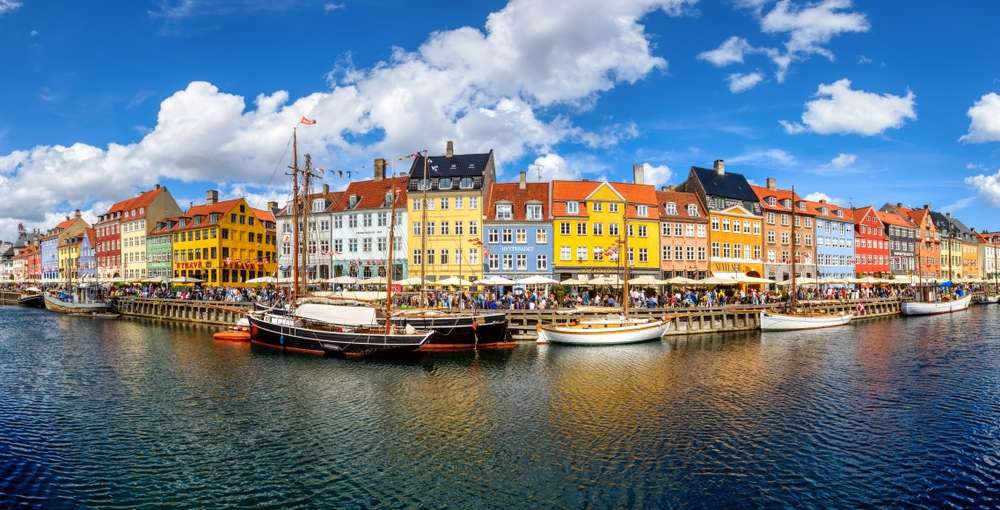
Denmark is known for the Hygge lifestyle, a cultural concept that focuses on cozy, peaceful, and simple living. Hygge is about enjoying small moments like spending time with family, drinking warm beverages, relaxing at home, and creating a comfortable atmosphere with soft lighting and calm surroundings. It helps people reduce stress and build happiness through emotional connection and balance. Especially during cold winters, hygge brings warmth and positivity into daily life. This lifestyle is a big reason why Denmark is considered one of the happiest countries in the world, promoting mental well-being and a slow, meaningful way of living.
Spain
4m
May 02, 2026
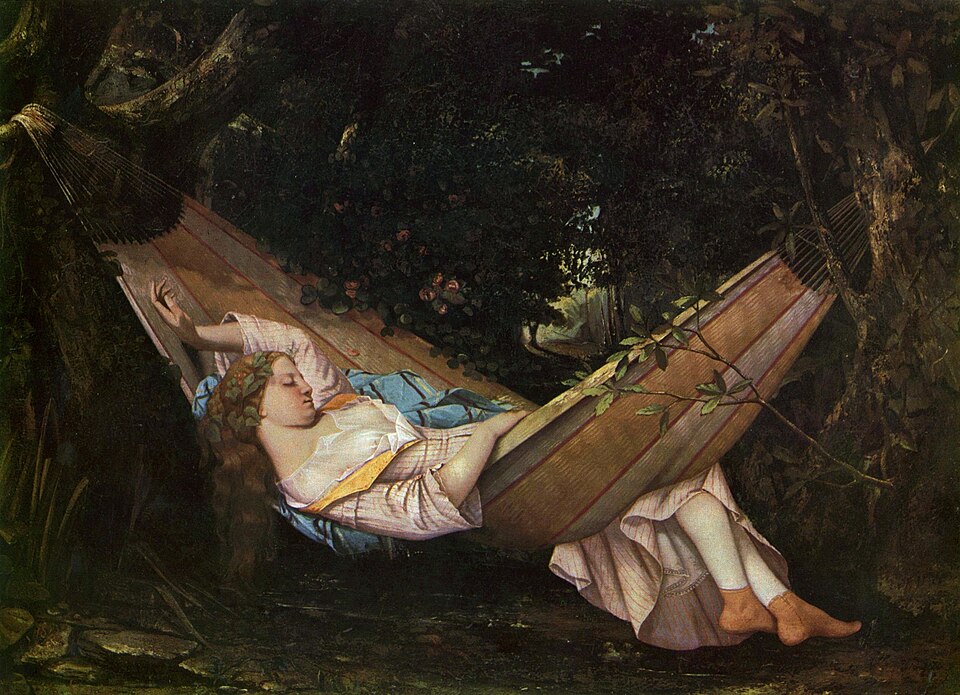
Spain is well known for its cultural tradition called siesta, an afternoon rest taken after lunch. This practice began as a way to cope with hot midday temperatures and long working hours, especially in rural areas. During siesta time, people usually take a short nap or relax at home, helping them regain energy for the evening. It also reflects Spain’s lifestyle of balancing work, family, and health. Although modern cities follow faster schedules today, the tradition still exists in many places and remains an important part of Spanish identity and slow, balanced living culture.
Greece
2m
May 01, 2026
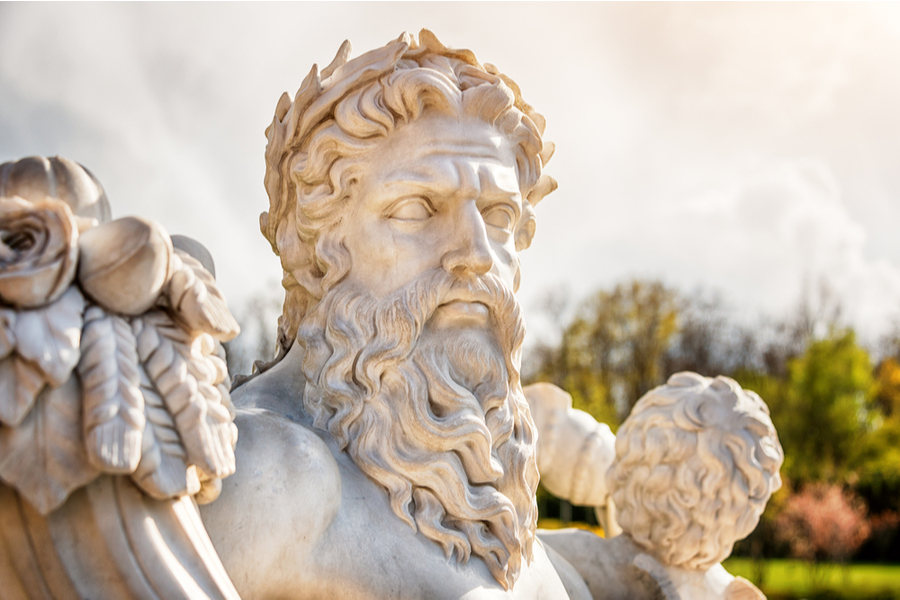
Greece has a rich cultural history shaped by ancient mythology. These myths explained natural events, human behavior, and life’s meaning through stories of powerful gods like Zeus and heroes. People believed gods controlled nature and fate, so they performed rituals and built temples. Mythology influenced daily life, art, and values in ancient Greece. Even today, these ancient beliefs continue to inspire modern culture, including literature, movies, and science. Greek mythology remains an important part of global heritage and shows how ancient traditions still impact the world today.
United Arab Emirates
3m
May 01, 2026
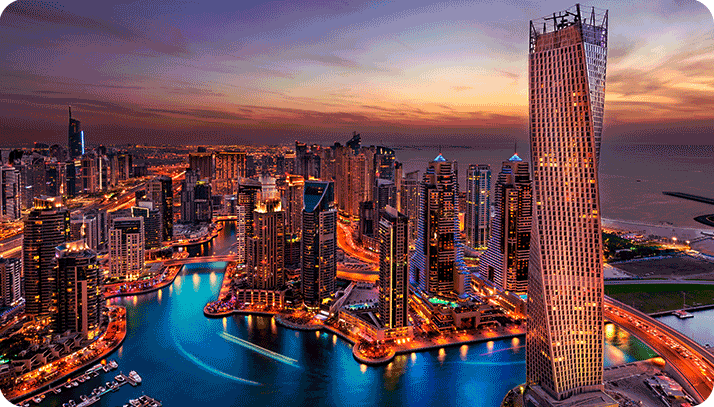
The United Arab Emirates has deep cultural roots in Bedouin traditions. Bedouins lived in harsh desert conditions, relying on camels, tents, and simple living to survive. Their lifestyle built strong values like resilience, patience, and adaptability. Hospitality is a key part of their culture, where guests are welcomed with respect, coffee, and dates. Family bonds, loyalty, and community support are highly valued. They also practiced poetry, storytelling, and traditional activities like falconry. Even today, these desert life traditions influence modern UAE culture, shaping its identity through respect, generosity, and strong social connections.
Egypt
3m
Apr 07, 2026
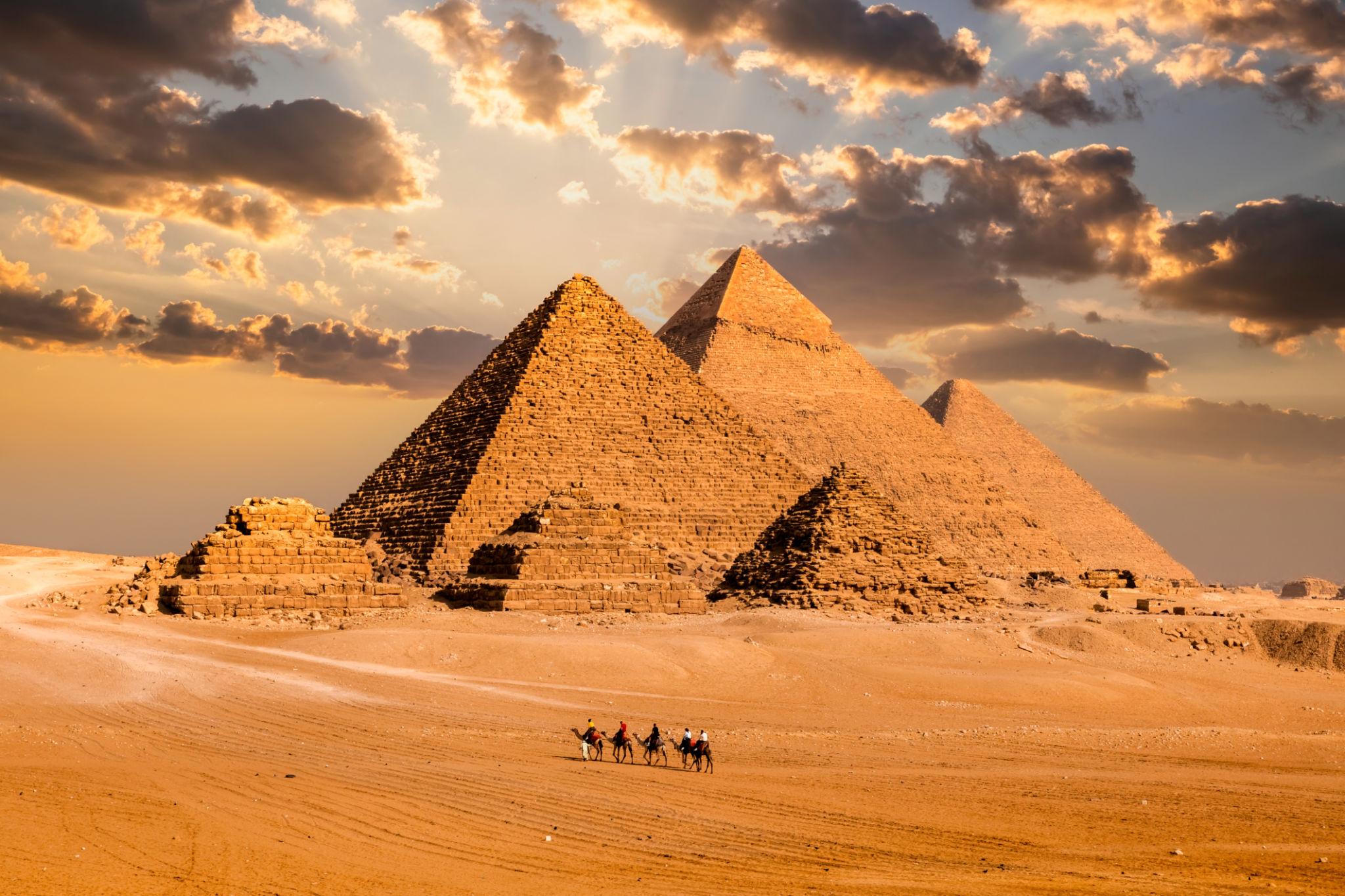
Explore the Pyramids of Egypt and uncover the cultural, religious, and historical secrets behind these ancient wonders. Discover how they reflect the beliefs and power of one of the world’s oldest civilizations.