Spain – Siesta and the Deep Meaning of Afternoon Rest Tradition
Introduction to Siesta Culture
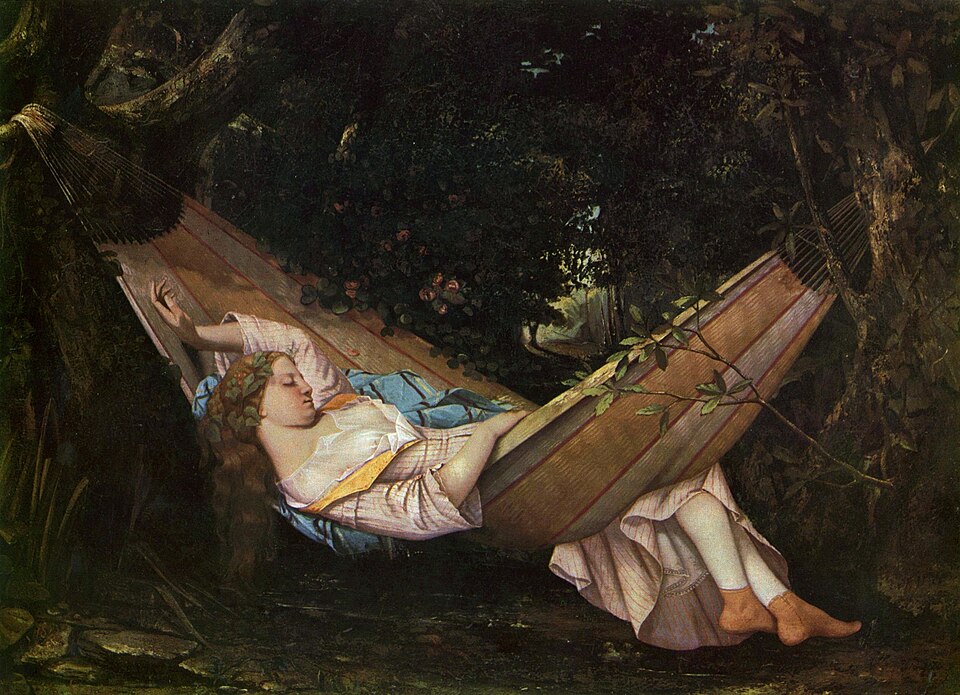
Spain is globally known not only for its beaches, football, and festivals, but also for a unique lifestyle tradition called siesta. Siesta refers to a short rest or nap taken in the early afternoon, usually after lunch. This tradition is deeply rooted in Spanish culture and reflects a lifestyle that values balance between work, family, and personal well-being.
Unlike a simple nap, siesta is considered part of daily routine in many parts of Spain, especially in smaller towns where life moves at a slower and more traditional pace.
Origin and Meaning of Siesta
The word “siesta” comes from Latin, meaning “sixth hour of the day,” which refers to midday rest time. Over centuries, this practice became part of Spanish daily life.
• Developed due to hot afternoon climate in Spain
• Helped workers rest during peak heat hours
• Became part of agricultural and rural lifestyle
• Gradually turned into a cultural habit across the country
The tradition shows how people adapted their lifestyle based on environment and comfort.
Daily Life and Siesta Routine
In many regions of Spain, daily life is structured around siesta time. After a long lunch, people take time to rest before continuing their day.
• Lunch is usually the biggest meal of the day
• After lunch, people return home for rest or relaxation
• Small towns may close shops for a few hours
• Work resumes later in the afternoon or evening
• Evenings are active with social life and family time
This rhythm creates a slow, balanced lifestyle compared to fast-paced modern routines.
Cultural Importance of Siesta
Siesta is not just about sleep; it is deeply connected to Spanish values and lifestyle.
• Promotes family bonding during lunch breaks
• Encourages a stress-free way of living
• Reflects importance of rest in productivity
• Strengthens work-life balance in traditional society
For many Spaniards, siesta is part of cultural identity, not just a habit.
Health and Psychological Benefits
Modern studies also support the idea of short rest breaks, making siesta even more meaningful.
• Improves concentration and mental alertness
• Reduces stress and fatigue
• Enhances mood and emotional stability
• Helps maintain better energy levels throughout the day
Because of these benefits, even in modern cities, some people still follow shorter versions of siesta.
Siesta in Modern Spain
In today’s fast-moving world, the tradition of siesta has changed slightly, especially in big cities like Madrid and Barcelona. Work schedules have become more continuous, and many businesses no longer close for long afternoon breaks.
However, in rural areas and smaller towns, siesta is still alive and respected. Even in urban areas, people may take short rest breaks at home or during lunch hours. The idea of rest and balance still remains important in Spanish culture.
Influence on Tourism and Global Culture
Siesta has also become a well-known part of global tourism culture. Visitors to Spain often experience relaxed afternoon schedules, slower service hours, and peaceful evenings.
• Tourists learn about relaxed Spanish lifestyle
• Restaurants often open late into the evening
• Cultural tours highlight traditional daily routines
• Siesta becomes a symbol of “slow living”
This has made Spain a popular destination for people seeking a relaxed lifestyle experience.
Conclusion
Siesta in Spain is more than just an afternoon nap. It is a cultural tradition that reflects balance, relaxation, and respect for natural living rhythms. Even though modern life has changed some aspects of this practice, its influence remains strong in Spanish identity. Siesta continues to represent a lifestyle where health, family, and well-being are valued just as much as work and productivity.