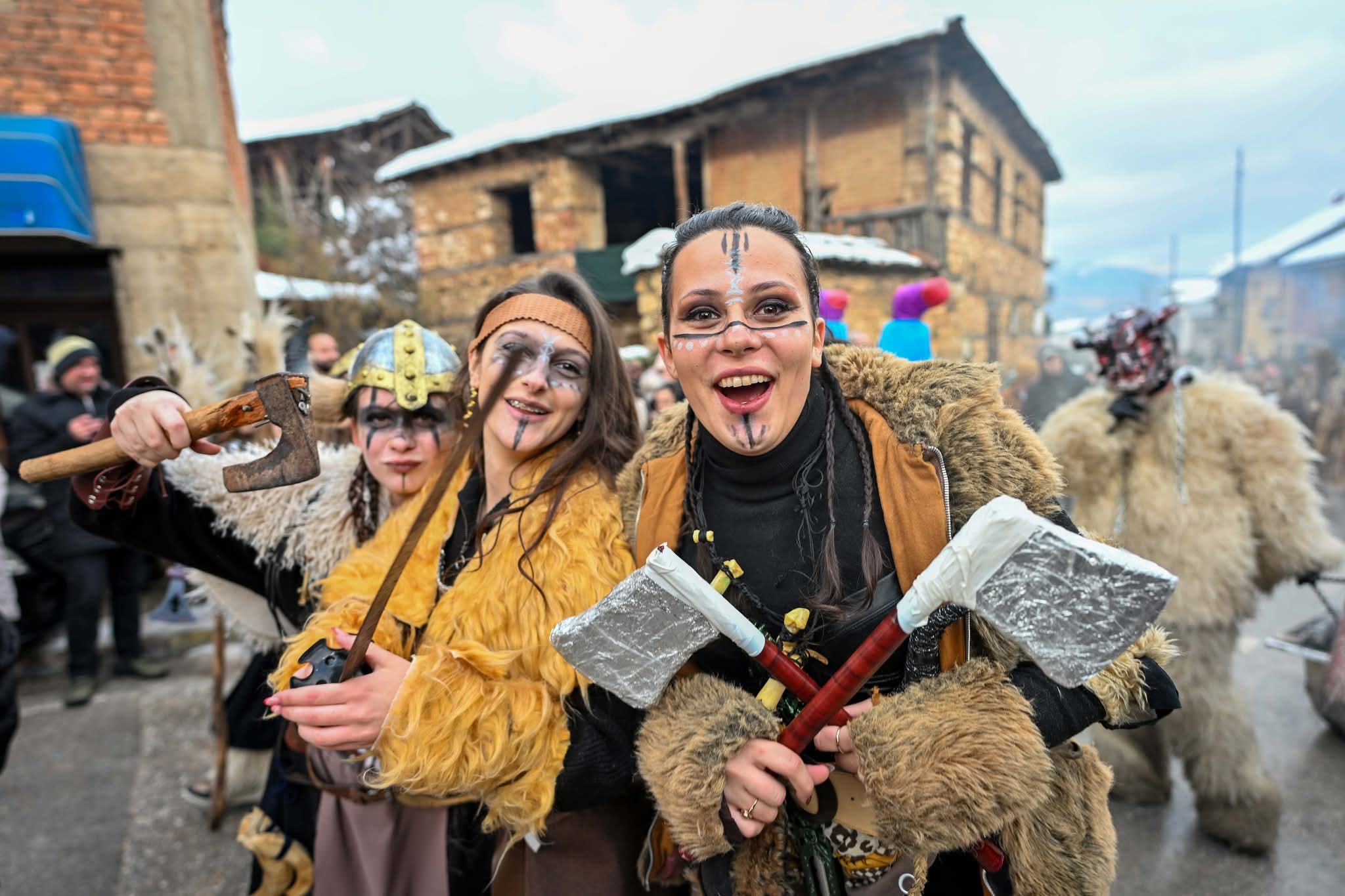
North Macedonia
3m
Jun 19, 2026
North Macedonia is known for its Village Patron Saint Festivals, a unique tradition where communities honor the saint believed to protect their village. These annual celebrations combine religious ceremonies, traditional foods, folk music, dancing, and family gatherings. The festivals help preserve cultural heritage, strengthen community bonds, and pass traditions to younger generations. Families often travel long distances to reunite and celebrate together. More than a religious event, the festival represents local identity, pride, and social unity. Even today, Village Patron Saint Festivals remain one of the most important and respected cultural traditions in North Macedonia.
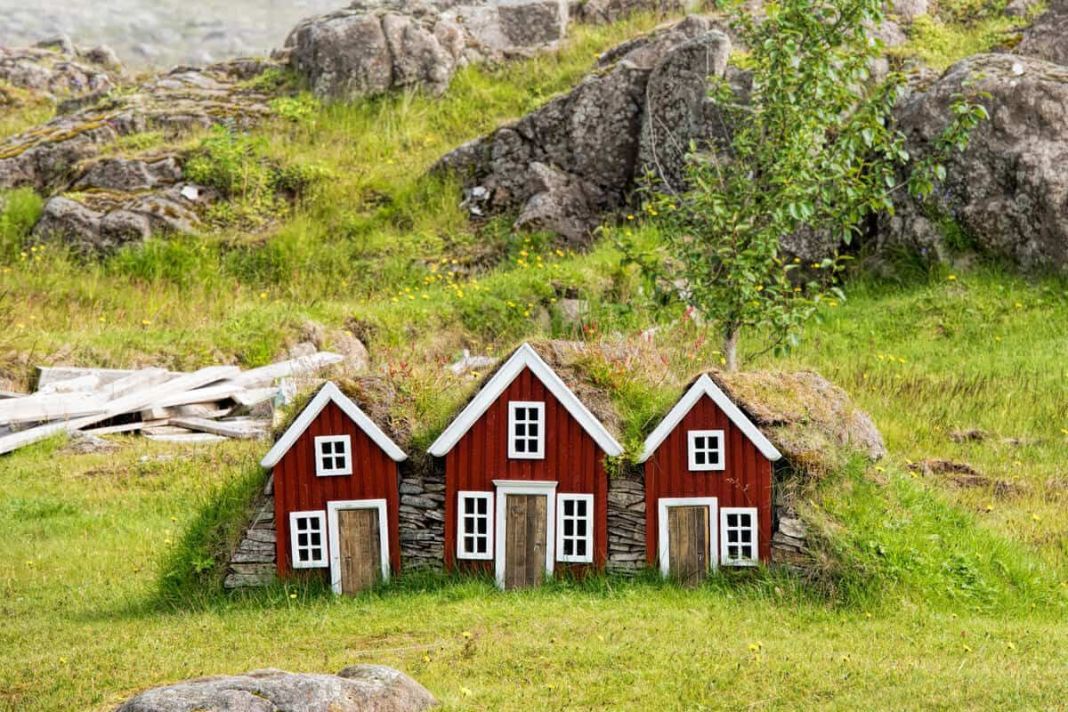
Iceland
3m
Jun 16, 2026
Iceland is known for its unique Hidden Folk tradition, called Huldufólk. According to Icelandic folklore, these invisible human-like beings live in rocks, hills, and lava fields. The stories have been passed down for centuries and remain an important part of Iceland's cultural heritage. Hidden Folk legends encourage respect for nature and reflect the country's deep connection to its landscapes. Today, the tradition continues through folklore tours, books, art, and storytelling. Whether viewed as myth or cultural symbolism, the belief in Hidden Folk remains one of Iceland's most fascinating and distinctive cultural traditions.
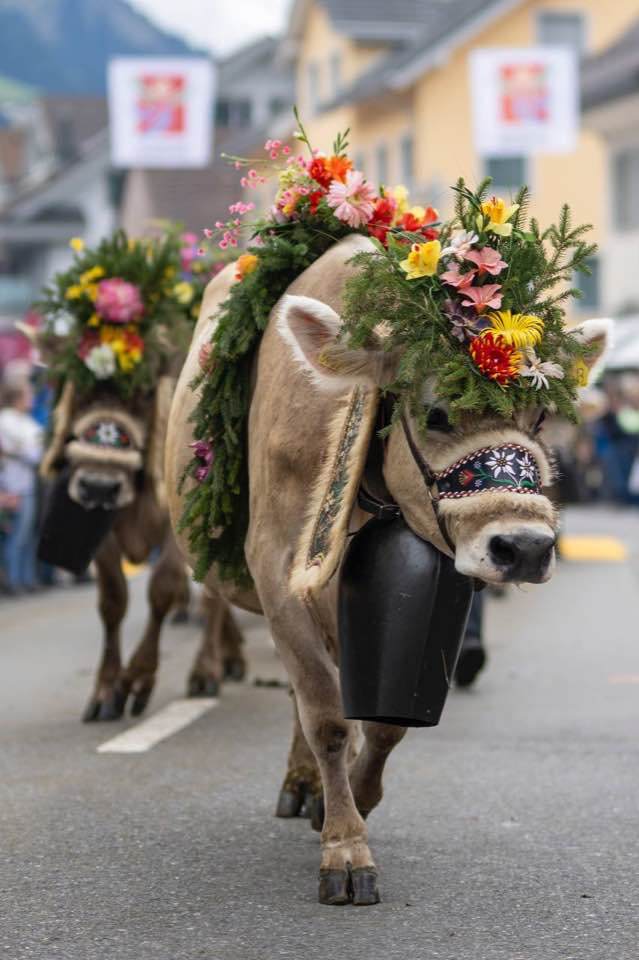
Switzerland
3m
Jun 15, 2026
Word Summary
Switzerland is known for Alpabzug, a traditional Alpine festival that marks the return of cattle from mountain pastures to the valleys at the end of summer. During this centuries-old celebration, cows are decorated with flowers, ornaments, and large bells, while farmers wear traditional clothing. Villages host parades, music, and cultural events to honor their agricultural heritage. Alpabzug symbolizes the strong connection between Swiss communities, nature, and farming traditions. The festival continues to attract visitors from around the world and plays an important role in preserving Switzerland’s rural culture and Alpine identity.
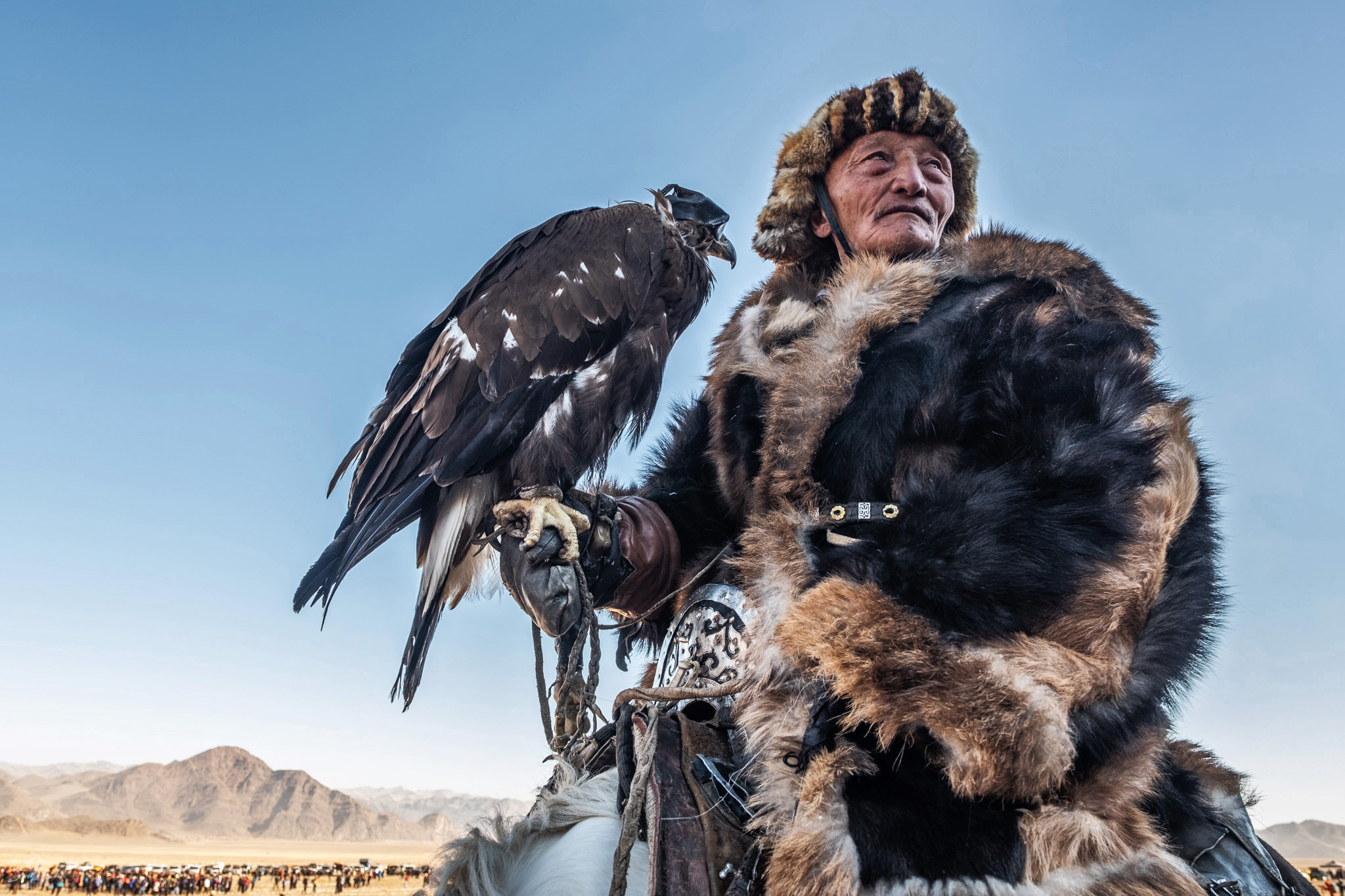
Mongolia
3m
Jun 14, 2026
Mongolia is known for its ancient tradition of Eagle Hunting, a practice that has been preserved for centuries by nomadic communities, especially Kazakh hunters. In this tradition, hunters train golden eagles to help hunt animals in the mountainous regions of western Mongolia. Training an eagle requires patience, skill, and a strong bond between the hunter and the bird. Eagle hunting is more than a survival method; it is a symbol of cultural identity, courage, and respect for nature. Today, festivals and cultural events help preserve this unique heritage, making it one of Mongolia’s most fascinating and respected traditions.
India
3m
Apr 05, 2026
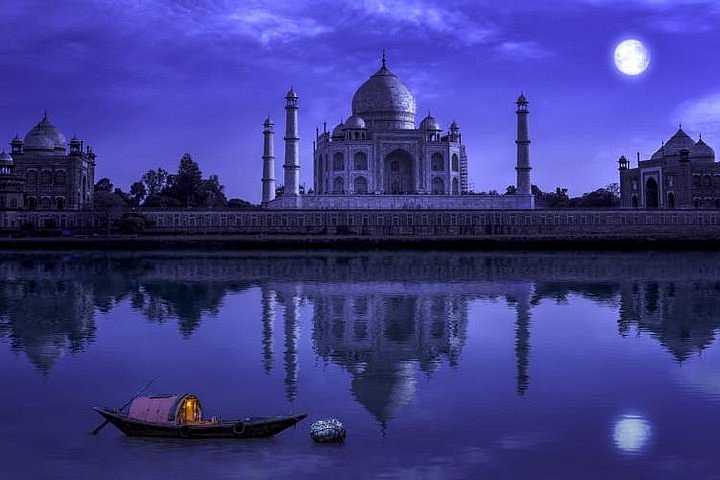
Discover the beauty and story behind the Taj Mahal, one of the world’s most iconic monuments. Built as a symbol of love, this architectural masterpiece in India continues to inspire millions with its history, design, and cultural significance.
Turkey
3m
Mar 23, 2026
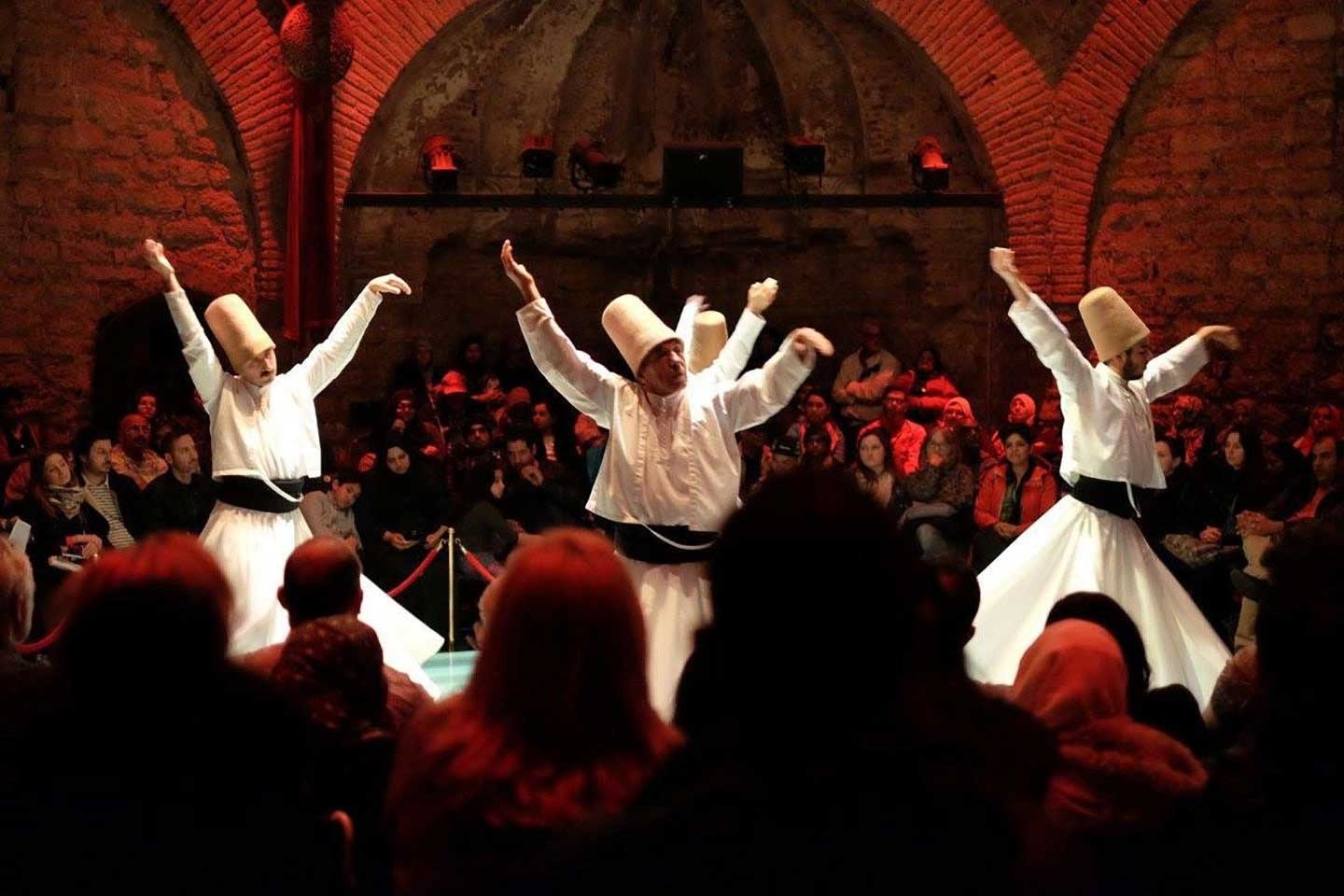
The Whirling Dervish dance is a mesmerizing spiritual practice rooted in Sufi mysticism and the teachings of Rumi. Originating in 13th-century Konya, Turkey, it is performed as the Sema ceremony, symbolizing the soul’s journey toward divine love and enlightenment. Dancers wear flowing white robes and tall hats, spinning gracefully to reflect harmony with the universe, while music from traditional instruments enhances meditative focus. Beyond performance, it serves as a form of worship, meditation, and cultural expression. Today, the Whirling Dervish dance continues to captivate global audiences, representing devotion, spiritual ecstasy, and the rich heritage of Turkish Sufi culture.
Myanmar
4m
Mar 22, 2026
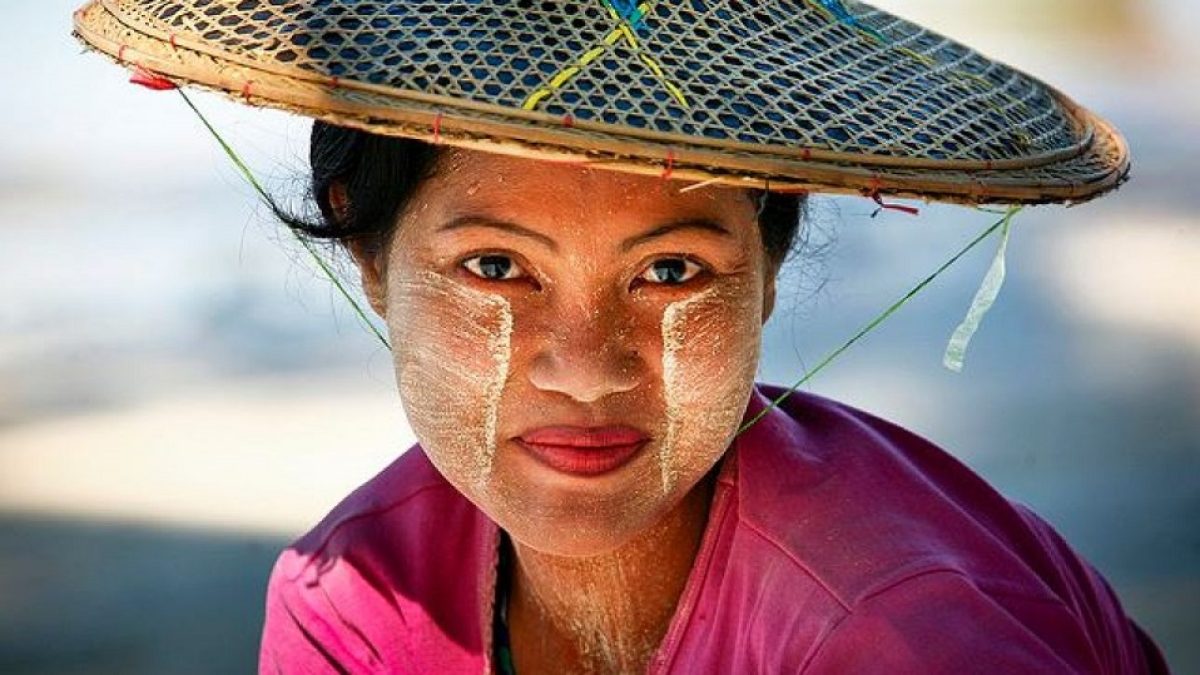
Thanaka face art is one of the most distinctive and ancient cultural traditions of Myanmar. Recognized by its pale yellow color and unique facial patterns, Thanaka is widely used as a natural skincare product and a symbol of cultural identity. Made from the bark of the Thanaka tree, this paste has been part of Burmese daily life for over 2,000 years. It serves not only as a cosmetic but also as protection from the sun, a cooling agent, and a form of artistic expression. From children to elders, Thanaka connects generations and continues to represent tradition, beauty, and simplicity in Myanmar.