Whirling Dervish Dance: The Enchanting Spiritual Art of Sufi Mysticism
Origins and History of the Whirling Dervish Dance
The Whirling Dervish dance originated in the 13th century in Konya, Turkey, where the Mevlevi Order was established to preserve Rumi’s teachings. Inspired by Rumi’s poetry, which emphasizes the love of God and the unity of all beings, the dance was designed as a spiritual practice to transcend the physical and enter a higher state of consciousness.
Historically, the Mevlevi Sufi monks performed the Sema ceremony as a ritualistic form of meditative worship, combining music, prayer, and movement. Over time, it became a cultural symbol of Turkish heritage and a spiritual tradition admired worldwide. UNESCO even recognized the Mevlevi Sema ceremony as Intangible Cultural Heritage of Humanity, highlighting its global significance.

Spiritual Significance of the Whirling Dervish Dance
Every aspect of the Whirling Dervish dance is symbolic and spiritual.
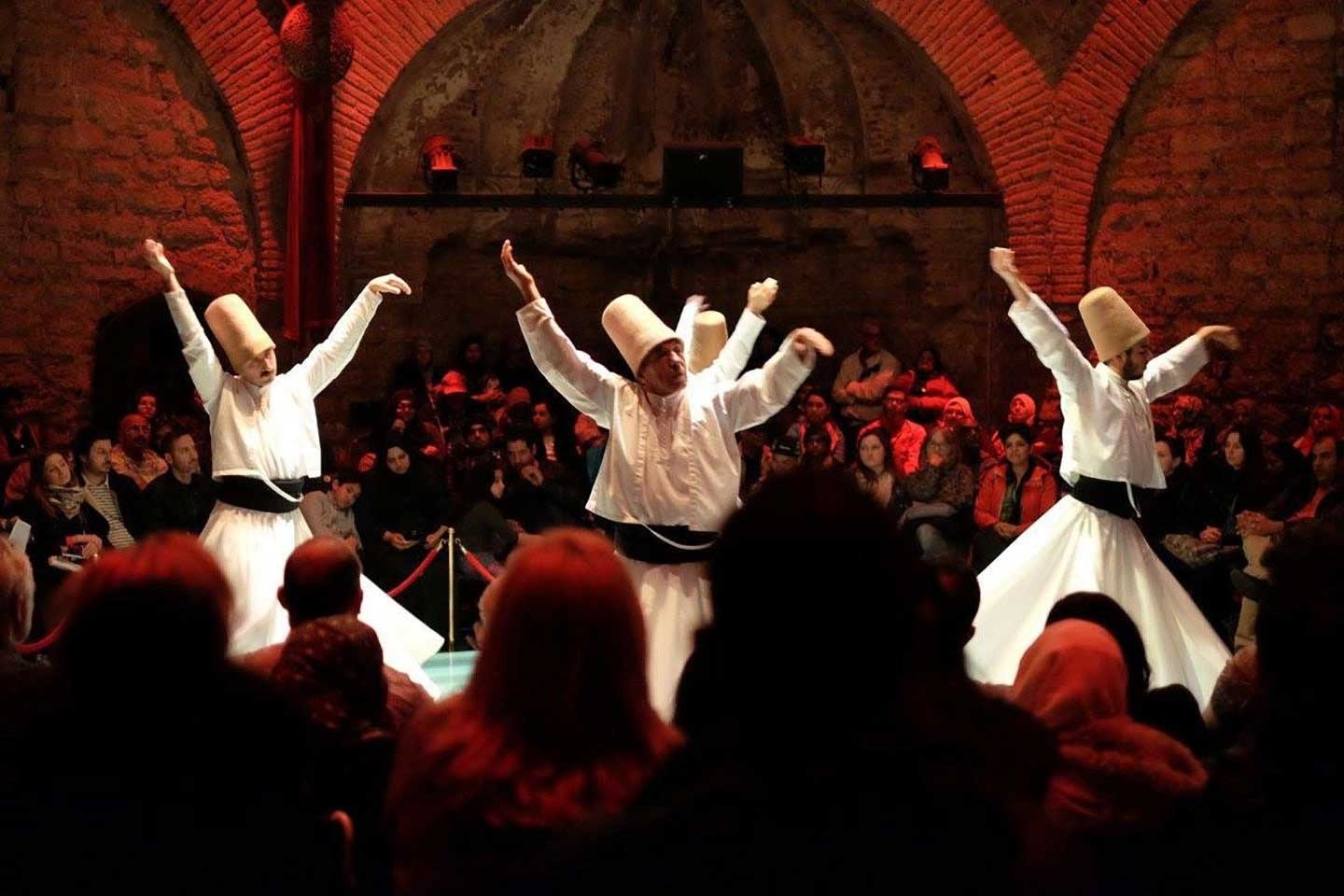
The White Robes: Represent purity and the soul’s journey towards enlightenment.
The Tall Hats (Sikke): Symbolize the tombstone of the ego, reminding dancers to rise above worldly attachments.
The Spinning Motion: Reflects the rotation of planets around the sun, representing harmony with the universe.
Outstretched Arms: The right hand faces the sky to receive divine blessings, while the left hand faces the earth to share love with all beings.
Music and Chanting: Traditional Sufi instruments like the ney flute, drums, and vocals guide the rhythm and enhance meditative focus.
The dance allows the dervishes to enter a state called “Wajd”, a form of spiritual ecstasy where the soul transcends physical limitations, achieving a profound sense of connection with God.
Key Features of the Whirling Dervish Dance
Sema Ceremony Structure: The ceremony is divided into several parts, including prayer, recitation of sacred texts, and the spinning ritual itself.
Meditative Focus: Dancers maintain absolute concentration, letting their movement synchronize with spiritual rhythms.
Cultural Attire: Flowing robes and conical hats are not merely decorative—they carry deep symbolic meanings of humility, devotion, and inner purity.
Global Recognition: Though originating in Turkey, the Whirling Dervish dance is now performed at cultural festivals and spiritual events worldwide, attracting enthusiasts, tourists, and researchers.
Enduring Legacy: Beyond performance, the dance remains a living spiritual practice, passed down through generations of the Mevlevi Order.
Experiencing the Whirling Dervish Dance Today
Visitors to Konya, Turkey, can witness the Sema ceremony at Mevlana Cultural Centers, especially during the annual Rumi Festival in December, which celebrates Rumi’s life and teachings. Beyond Turkey, cultural events and Sufi centers in Europe, North America, and Asia often host Whirling Dervish performances, providing audiences with a glimpse into this profound spiritual tradition.
For many, watching the Whirling Dervish dance is more than entertainment—it is an immersive spiritual experience. The hypnotic spinning, accompanied by sacred music, encourages reflection, mindfulness, and a deeper understanding of the mystical connection between humans and the divine.
Why the Whirling Dervish Dance Captivates the World
The global fascination with the Whirling Dervish dance lies in its unique blend of art, spirituality, and culture. It symbolizes:
The eternal quest for spiritual enlightenment
Harmony between body, mind, and soul
The beauty of Turkish cultural heritage
The timeless wisdom of Rumi’s teachings
A reminder of the power of meditation and devotion in daily life
For travelers, spiritual seekers, or anyone curious about mysticism, the Whirling Dervish dance offers a rare window into Sufi philosophy, demonstrating how movement, music, and meditation combine to elevate the human spirit.