Iceland – Hidden Folk Beliefs and Elf Traditions
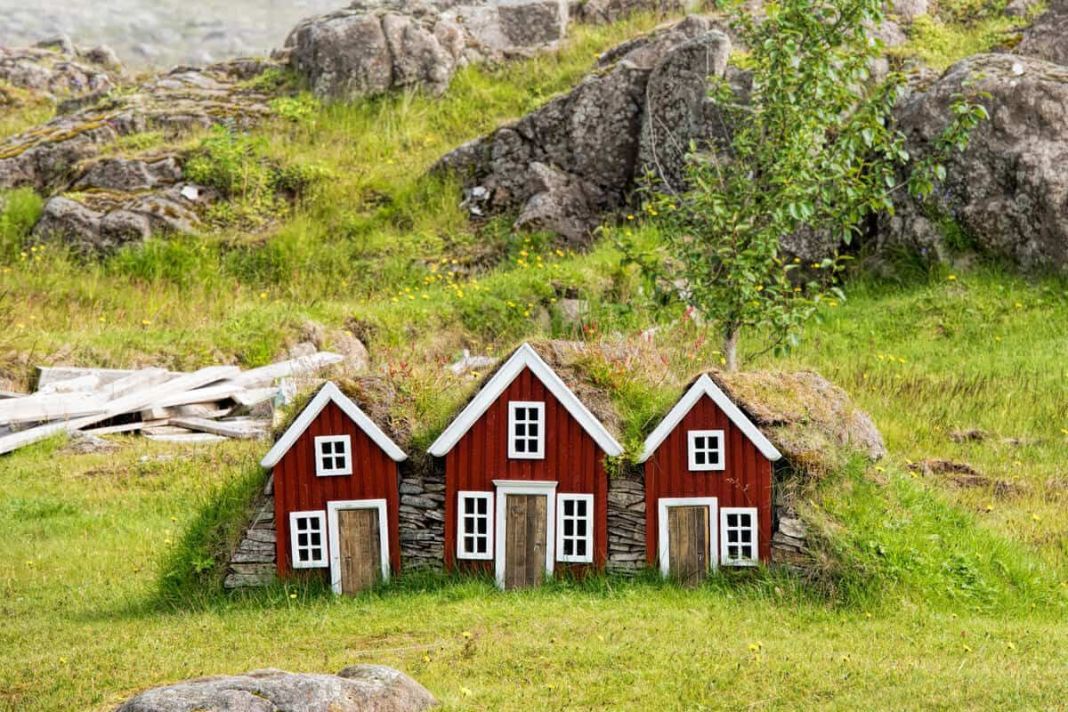
Introduction to Iceland's Hidden Folk Beliefs
Iceland is famous for its dramatic landscapes, volcanoes, glaciers, and unique cultural traditions. One of the country's most fascinating hidden cultures is its belief in Hidden Folk, known locally as Huldufólk. According to Icelandic folklore, these invisible beings live in rocks, hills, lava fields, and remote natural areas alongside humans.
While not everyone literally believes in Hidden Folk, the stories remain an important part of Iceland's cultural identity and have been passed down through generations.
Origins of the Hidden Folk Tradition 
The belief in Hidden Folk has existed in Iceland for centuries.
• Rooted in ancient Nordic folklore and legends
• Passed through storytelling traditions
• Connected to Iceland's unique natural landscape
• Preserved as an important part of cultural heritage
Many old stories describe Hidden Folk as mysterious beings who live in harmony with nature.
Who Are the Hidden Folk?
According to folklore, Hidden Folk are human-like beings who remain invisible to most people.
• Believed to live inside rocks and hills
• Described as having their own communities and homes
• Often portrayed as peaceful and protective of nature
• Featured in many Icelandic legends and stories
These tales have become an important part of Icelandic folklore.
Respect for Nature
One reason the tradition remains popular is its connection to environmental respect.
• Encourages people to treat nature carefully
• Promotes protection of unique landscapes
• Inspires appreciation for natural beauty
• Strengthens cultural ties to the land
Many Icelanders view these stories as symbolic reminders to respect the environment.
Influence on Modern Society
The Hidden Folk tradition continues to influence life in Iceland.
• Folklore tours and cultural events celebrate the stories
• Books, films, and art often feature Hidden Folk
• Some construction projects consider local folklore sites
• The stories remain popular among children and adults alike
The tradition connects modern society with Iceland's historical roots.
Cultural Significance
The Hidden Folk belief reflects Iceland's unique relationship with storytelling and nature.
• Preserves ancient folklore and myths
• Strengthens national identity
• Encourages imagination and creativity
• Celebrates Iceland's cultural uniqueness
These stories continue to be treasured throughout the country.
Conclusion
The Hidden Folk tradition in Iceland is a fascinating blend of folklore, nature, and cultural heritage. Whether viewed as literal belief or symbolic storytelling, the legends of Huldufólk continue to inspire respect for nature and preserve Iceland's rich traditions. This unique cultural practice remains one of the most intriguing aspects of Icelandic identity.