The Cultural Power of African Art and Music: Heritage, Rhythm, and Identity
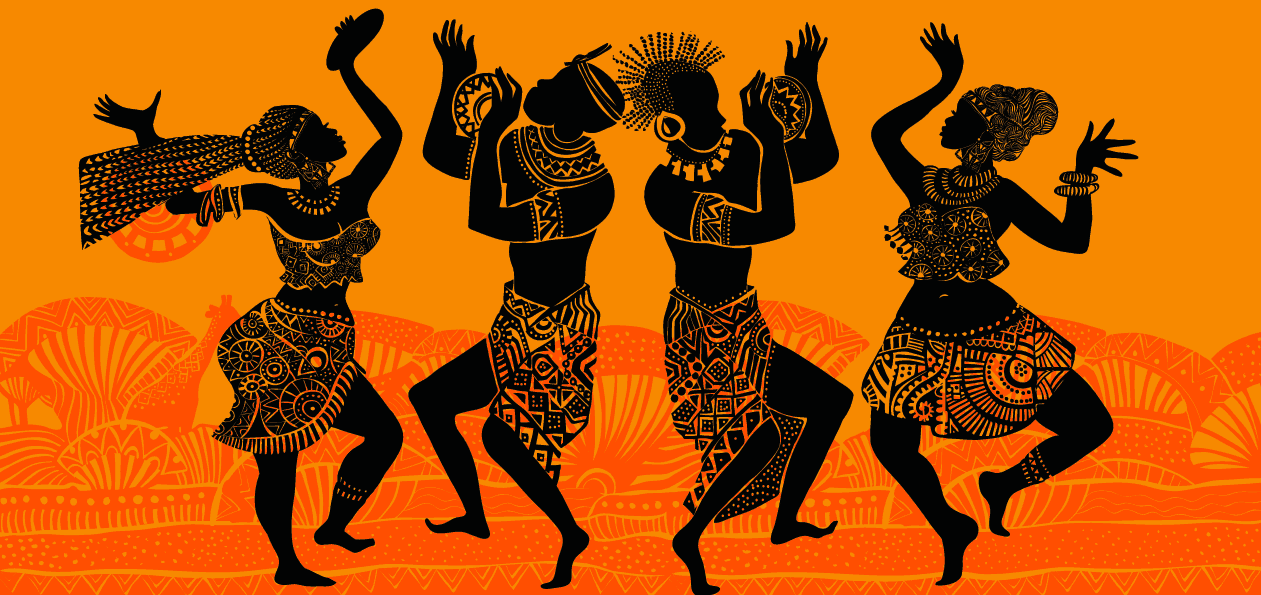
Across the vast and diverse landscapes of Africa, art and music have always played a central role in shaping cultural identity, community life, and historical memory. From ancient traditions rooted in tribal societies to globally influential modern genres, African artistic expression reflects resilience, creativity, spirituality, and the deep interconnectedness of people and culture.
Music, storytelling, dance, and visual art are not separate elements in African societies—they are deeply intertwined with daily life. They serve as tools of communication, education, celebration, and spiritual expression. Every rhythm, melody, and artistic creation carries meaning, connecting past generations with the present and ensuring cultural continuity for the future.
Foundations of African Cultural Expression
African cultural traditions are built upon a rich foundation of oral history, communal participation, and symbolic artistic expression. Unlike written archives in many parts of the world, African cultures have historically relied on performance and creativity to preserve and transmit knowledge.
Key elements of African cultural expression include:
-
Traditional drumming and rhythmic music
-
Oral storytelling and historical songs
-
Symbolic visual art and sculpture
-
Community celebrations through music and dance
Together, these forms create a living cultural system in which art is not just decoration or entertainment, but a vital part of identity and survival.
Music as a Living Cultural Language
Music in Africa is more than sound—it is a language of emotion, communication, and unity. It is used in ceremonies, rituals, social gatherings, and everyday life.
Rhythm and Community Connection
Rhythm is the foundation of many African musical traditions. It structures not only music but also movement, storytelling, and social interaction. Group participation is often essential, making music a communal experience rather than an individual performance.
Songs may communicate:
-
Historical events
-
Moral teachings
-
Social commentary
-
Spiritual beliefs
In many communities, music is inseparable from dance, with movement acting as a visual extension of rhythm and emotion.
The Role of Drums in African Traditions
Drumming holds a sacred and powerful place in African culture. In many regions of sub-Saharan Africa, drums are not only musical instruments but also tools of communication, spirituality, and cultural expression.
The Djembe and Its Significance
One of the most well-known traditional drums is the Djembe, renowned for its wide range of tones and powerful sound. Traditionally carved from wood and covered with animal skin, it is capable of producing rhythms that carry across long distances.
The Djembe and other drums serve multiple purposes:
-
Calling communities together for gatherings
-
Celebrating festivals and ceremonies
-
Accompanying dances and rituals
-
Communicating messages across villages
-
Preserving cultural rhythms and traditions
Oral Transmission of Rhythm
Drumming traditions are passed down orally. Elders teach younger generations through repetition, participation, and observation. This ensures that rhythm becomes a living form of cultural memory rather than a written record.
The Griot Tradition of West Africa
One of the most important cultural institutions in West Africa is the tradition of the Griot.
Griots are storytellers, musicians, poets, and historians who preserve the oral history of their communities. They are highly respected figures who serve as guardians of cultural memory.
Roles of Griots
Griots perform several vital functions:
-
Preserving historical narratives through song
-
Recording family lineages and genealogies
-
Honoring kings, warriors, and community leaders
-
Teaching moral lessons and cultural values
-
Passing knowledge across generations
Their performances ensure that history remains alive through storytelling rather than written archives.
In many societies, griots are considered living libraries—custodians of identity, memory, and tradition.
Musical Traditions of the Swahili Coast
The Swahili Coast, stretching along East Africa, is a region shaped by centuries of cultural exchange between African, Arab, Persian, and Indian traders. This interaction gave rise to unique musical traditions that reflect cultural fusion.
Taarab Music
One of the most prominent musical genres from this region is Taarab.
Taarab music is characterized by:
-
Poetic and emotional lyrics
-
Blend of African and Arabic musical influences
-
Use of traditional and modern instruments
-
Performances at weddings and celebrations
Taarab reflects the cultural diversity of the Swahili Coast, where music became a bridge between different civilizations.
Modern African Music on the Global Stage
In recent decades, African music has gained significant global recognition, influencing international music industries and popular culture.
Afrobeat and Cultural Innovation
One of the most influential modern genres is Afrobeat, pioneered by legendary musician Fela Kuti. Afrobeat combines:
-
Complex rhythms
-
Jazz and funk influences
-
Political and social commentary
-
High-energy performances
Afrobeat became a powerful voice for social awareness and cultural identity.
Contemporary African Artists
Modern African artists such as Burna Boy and others have brought African music to global audiences. Their work highlights:
-
Cultural pride and identity
-
Global musical collaboration
-
Innovation in sound and production
-
Representation of African stories on international platforms
These artists continue to expand the reach of African music while staying rooted in tradition.
African Visual Art and Symbolism
Beyond music, African visual art plays a significant role in expressing identity, spirituality, and cultural values. Artistic traditions vary widely across the continent, reflecting its diversity.
Forms of Visual Expression
African visual art includes:
-
Sculpture and carvings
-
Traditional masks
-
Textiles and fabrics
-
Paintings and body art
Themes in African Art
Common themes expressed in African art include:
-
Ancestral connections and spirituality
-
Community life and social roles
-
Nature and environmental harmony
-
Cultural rituals and ceremonies
Masks, in particular, often hold ceremonial significance, representing spirits, ancestors, or symbolic forces within the community.
Cultural Functions of Art and Music
In African societies, art and music serve important social and cultural functions beyond aesthetics.
They are used to:
-
Educate younger generations
-
Strengthen community bonds
-
Preserve oral history
-
Celebrate milestones and rituals
-
Express collective identity
This integration of art into daily life ensures that culture remains dynamic and continuously evolving.
Cultural Resilience and Global Influence
African art and music have shown remarkable resilience and adaptability over time. Despite historical challenges, including colonization and cultural disruption, African traditions have not only survived but also influenced global culture.
Today, African rhythms, artistic styles, and storytelling traditions are visible in:
-
Global music collaborations
-
Fashion and design industries
-
Film and visual arts
-
Contemporary literature and media
This global influence highlights Africa’s central role in shaping modern cultural expression.
Conclusion
African art and music represent one of the world’s richest and most dynamic cultural legacies. Rooted in tradition yet constantly evolving, they reflect the creativity, resilience, and diversity of the African continent.
From the powerful rhythms of the Djembe to the storytelling traditions of the Griots and the global rise of Afrobeat, African cultural expression continues to inspire and connect people worldwide.
Every drumbeat, song, and artwork carries meaning—preserving history, celebrating identity, and shaping the future of global culture. Africa’s artistic heritage is not only a reflection of its past but also a living force that continues to influence the world today.