Mapuche Culture in Chile – The Indigenous Spirit of Strength and Tradition
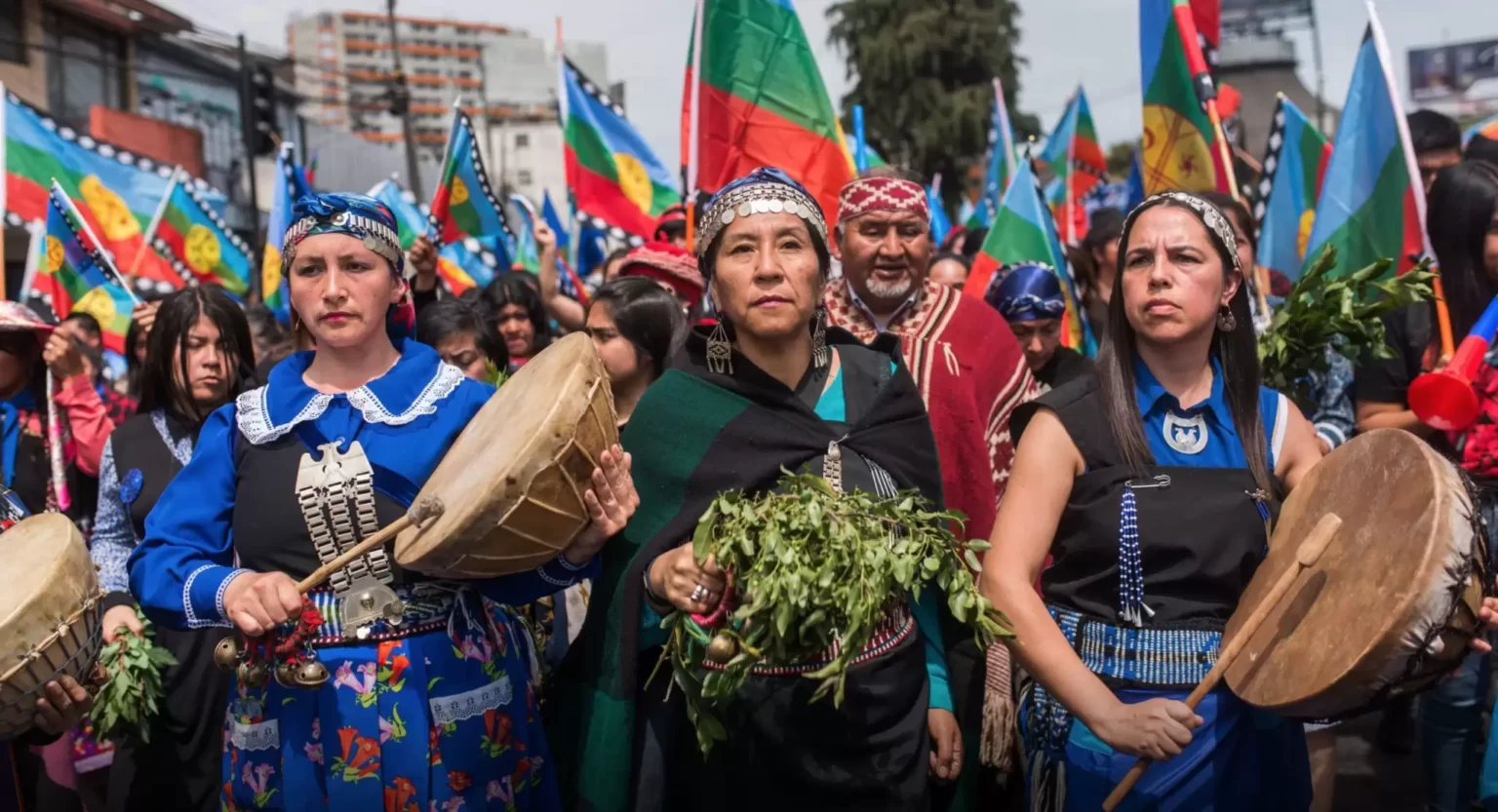
Origin and History of the Mapuche People
The Mapuche are the original inhabitants of south-central Chile and parts of Argentina. Their history goes back thousands of years, long before the arrival of European colonizers.
They are famously known for resisting both the Inca Empire and Spanish conquest. Unlike many other indigenous groups, the Mapuche successfully defended their land and maintained their independence for a long time.
This history of resistance has become a core part of their identity.
Lifestyle and Connection with Nature
Mapuche culture is deeply connected to nature and the environment.
Their lifestyle includes
• Living close to forests, rivers, and mountains
• Practicing agriculture and farming
• Respecting natural elements as sacred
• Believing in harmony between humans and nature
Nature is not just a resource but a living force in their daily life.

Spiritual Beliefs and Traditions
Spirituality plays a central role in Mapuche culture.
• They believe in a supreme spirit known as Ngenechen
• Rituals are performed to maintain balance in the world
• Shamans called Machi act as healers and spiritual leaders
• Ceremonies include music, dance, and offerings
These beliefs reflect a strong spiritual connection to the universe.
Mapuche Language and Identity
The Mapuche people speak their own language called Mapudungun.
• Language is a key part of their identity
• Oral traditions pass knowledge through generations
• Stories, songs, and proverbs preserve history
Despite modern influences, efforts are being made to keep the language alive.
Art, Clothing and Craftsmanship
Mapuche culture is rich in artistic expression.
Traditional crafts include
• Handwoven textiles with symbolic patterns
• Silver jewelry representing status and spirituality
• Wooden carvings and tools
• Traditional clothing reflecting identity and heritage
Each item carries cultural meaning and history.

Festivals and Ceremonies
Mapuche festivals celebrate life, nature, and community.
• Nguillatun is an important spiritual ceremony
• Music and dance play a major role
• Community gatherings strengthen unity
• Rituals focus on gratitude and balance
These events are essential for maintaining cultural traditions.

Mapuche Culture in Modern Times
Today, Mapuche culture continues to exist alongside modern society.
• Indigenous communities preserve traditions
• Cultural movements promote rights and identity
• Traditional practices are still followed in rural areas
• Tourism highlights Mapuche heritage
Their culture remains strong despite challenges.
Conclusion
Mapuche culture is a powerful example of resilience, identity, and harmony with nature. From their rich traditions to their strong spiritual beliefs, the Mapuche people have created a lasting cultural legacy in Chile. Their story is not just about the past but about survival, pride, and the continued importance of indigenous cultures in the modern world.